I’ve always had a green thumb—whether it was sneaking seeds from my grandpa’s garden as a kid or turning a patch of dirt behind our apartment into a makeshift vegetable plot. There’s something about watching plants grow that feels like magic. This site is where I share the tricks, fails, and little victories from my own garden, so you can grow with confidence too. Think of it as a conversation between neighbors over the fence, where we swap stories and tips over a shared love of dirt, sunlight, and the occasional pest battle.
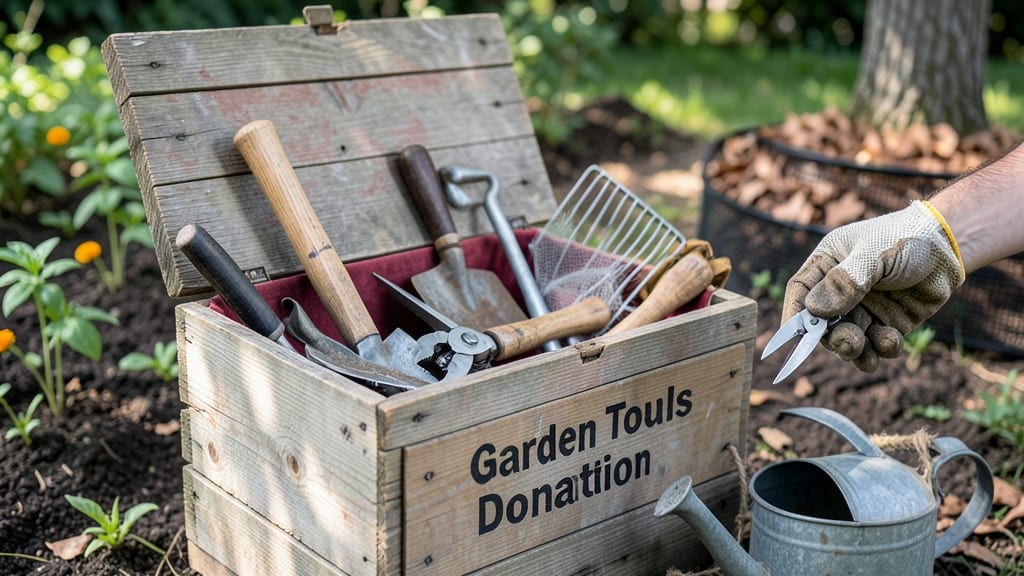
💥 Quick Answer To donate garden tools, check local hardware stores like Home Depot or Lowe’s, community garden programs, Habitat for Humanity ReStore locations, or national organizations such as ReTooling or The Tool…
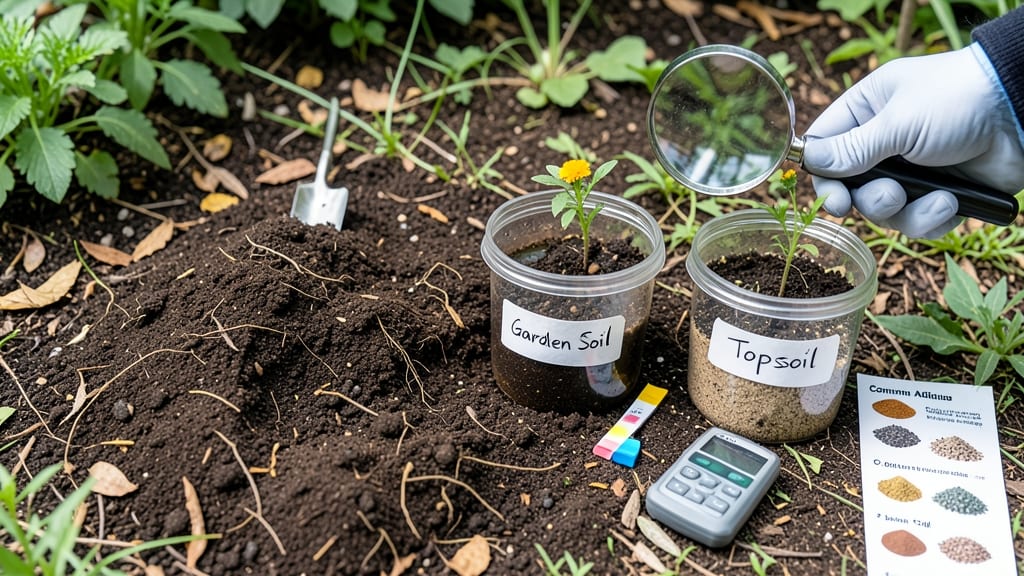
💥 Quick Answer Garden soil and topsoil are not the same: garden soil blends organic matter, nutrients, and amendments for planting, while topsoil is the natural uppermost layer of earth, rich in minerals but often…
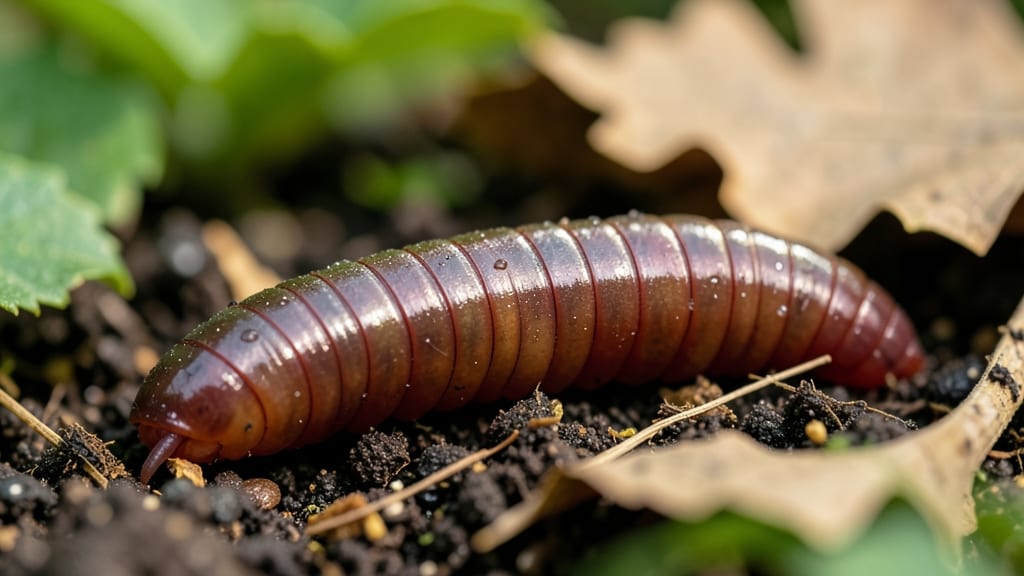
💥 Quick Answer Garden worms eat decomposed organic matter like fruit and vegetable scraps, coffee grounds, crushed eggshells, and moistened leaves. They thrive on nitrogen-rich kitchen waste and leaf litter while…
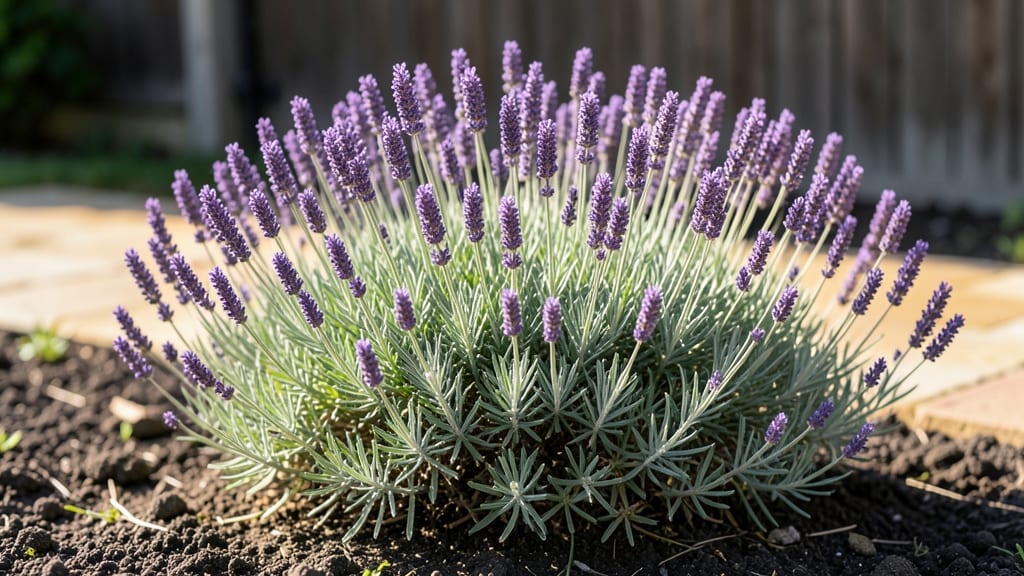
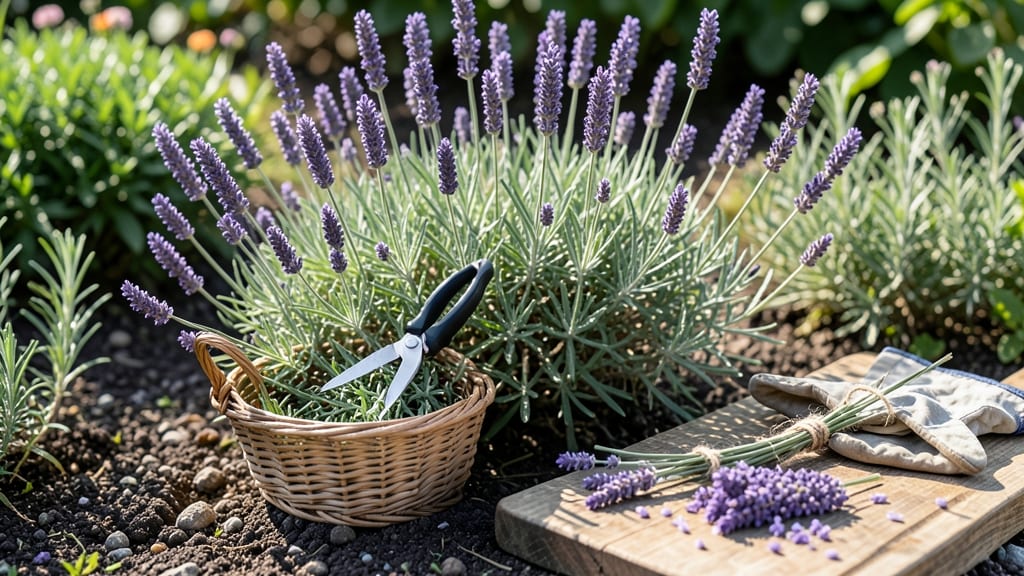
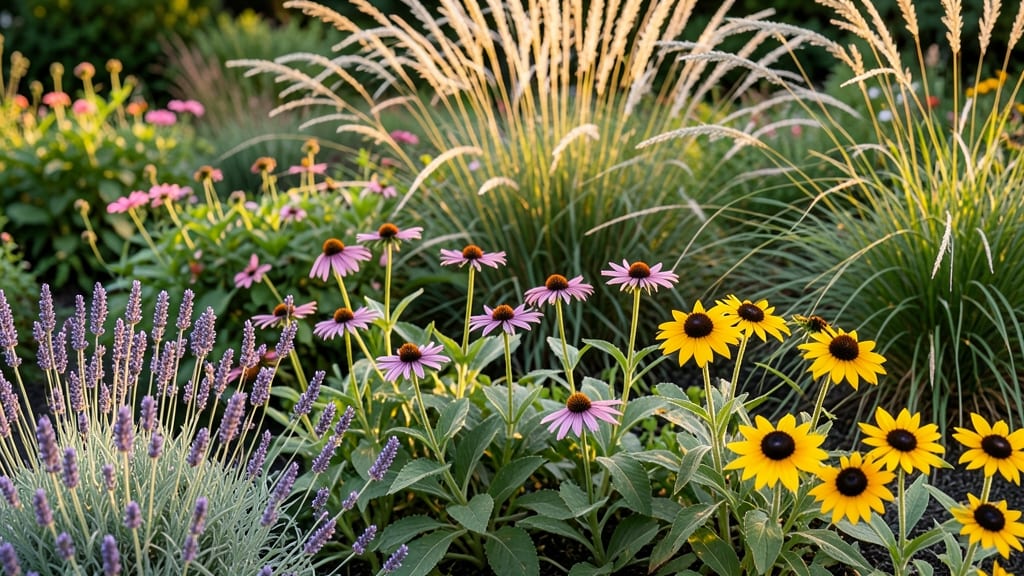
💥 Quick Answer Lavender plants benefit gardens by repelling pests like mosquitoes, moths, and aphids with their natural oils, improving soil health with drought-resistant roots, and attracting pollinators like bees and…
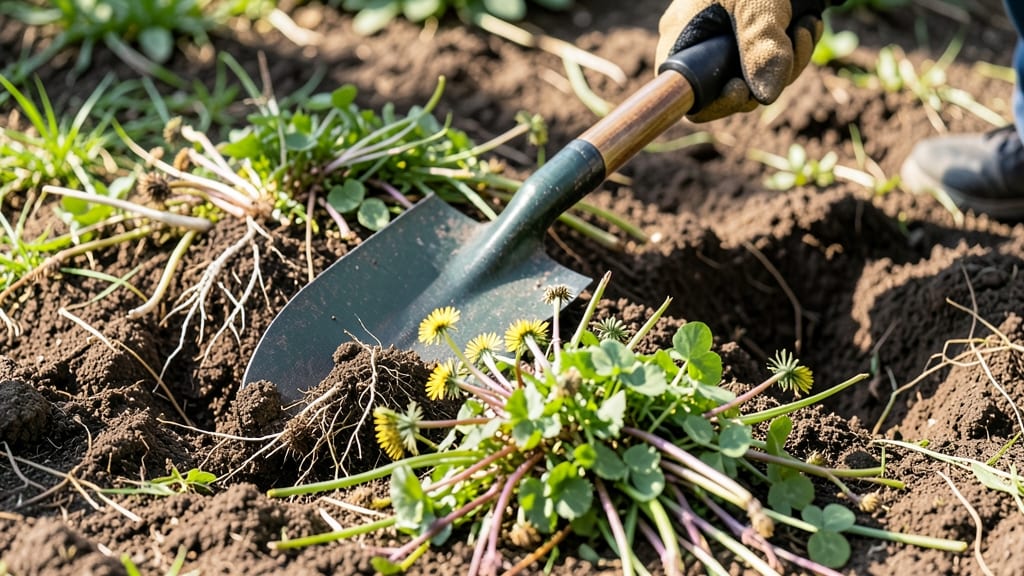
💥 Quick Answer A garden hoe is used for cultivating soil, weeding, breaking up hard ground, creating furrows for planting, and leveling garden beds to improve drainage and aeration for healthier plant growth. A garden…
💥 Quick Answer The French Laundry culinary garden cultivates rare botanicals and heirloom produce—including sorrel, arugula, and microgreens—to deliver unmatched freshness and seasonal depth to every dish. Chef Thomas…
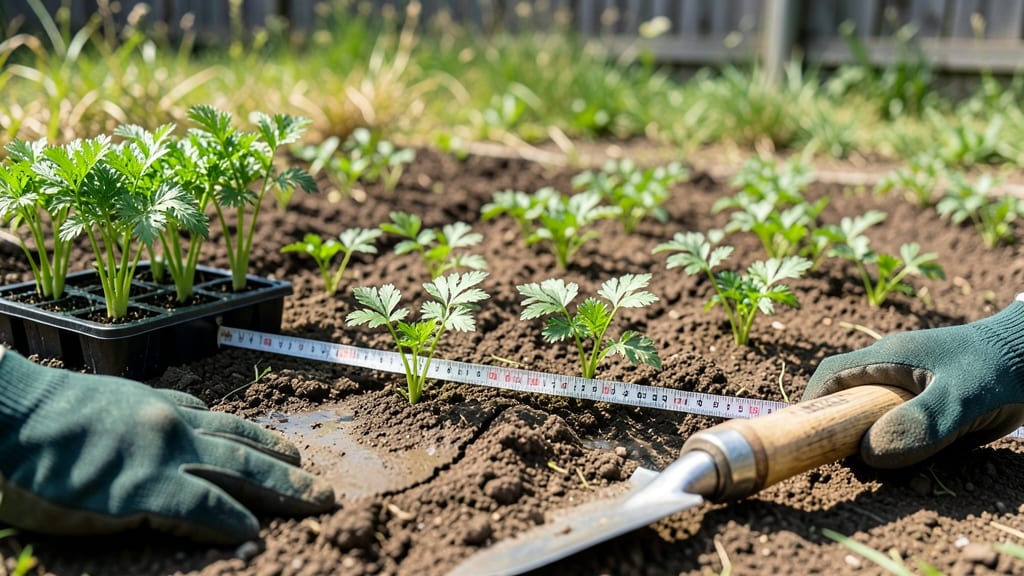
💥 Quick Answer To determine how far apart garden rows should be, aim for 18 to 36 inches between them to optimize sunlight, airflow, and maintenance, with wider spacing needed for taller plants. Adjust spacing based on…
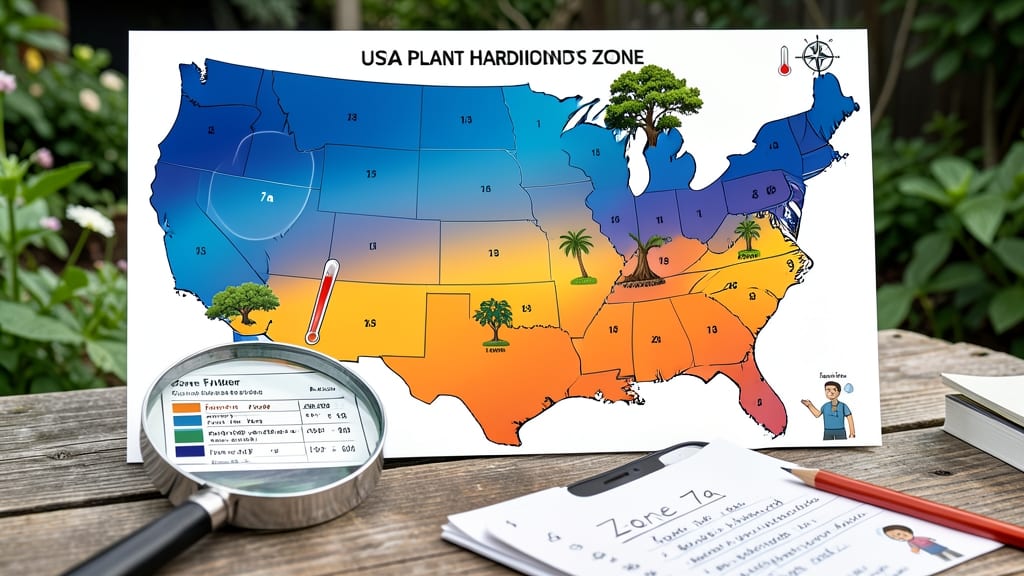
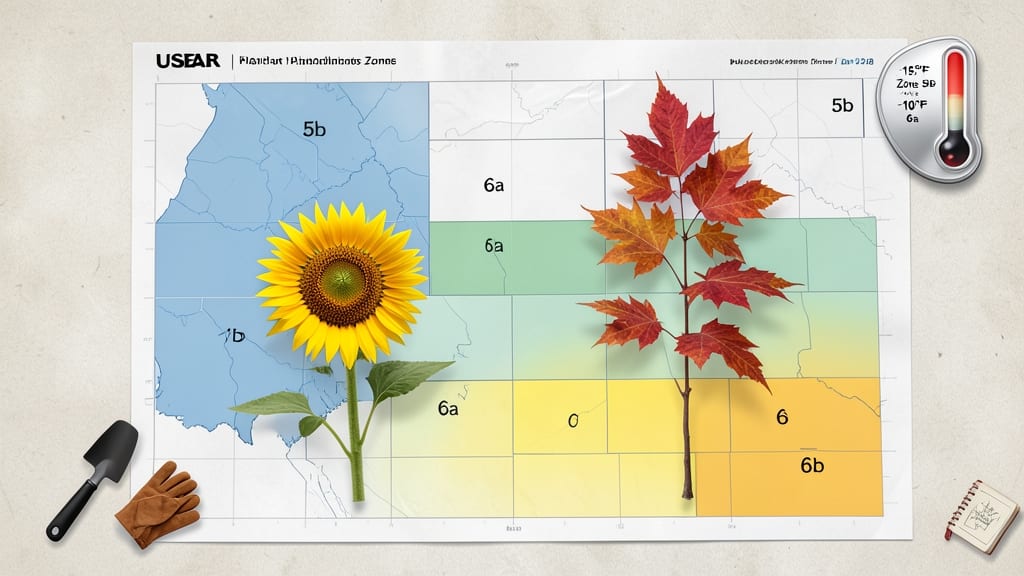
💥 Quick Answer Finding your gardening zone means using the USDA Plant Hardiness Zone Map to enter your ZIP code, revealing your 5-11 zone range that dictates frost timing and plant compatibility for your area. Your…
💥 Quick Answer Pennsylvania's gardening zones range from USDA Zone 4 in the north to Zone 7 in the south, with most of the state landing in Zones 5b to 6b. These zones shift based on elevation and local climate…
💥 Quick Answer The best place to grow a garden is where your plants thrive naturally—full sun exposure (6+ hours daily), well-draining soil, and climate conditions that match their needs. Whether you're cultivating…