
Tools
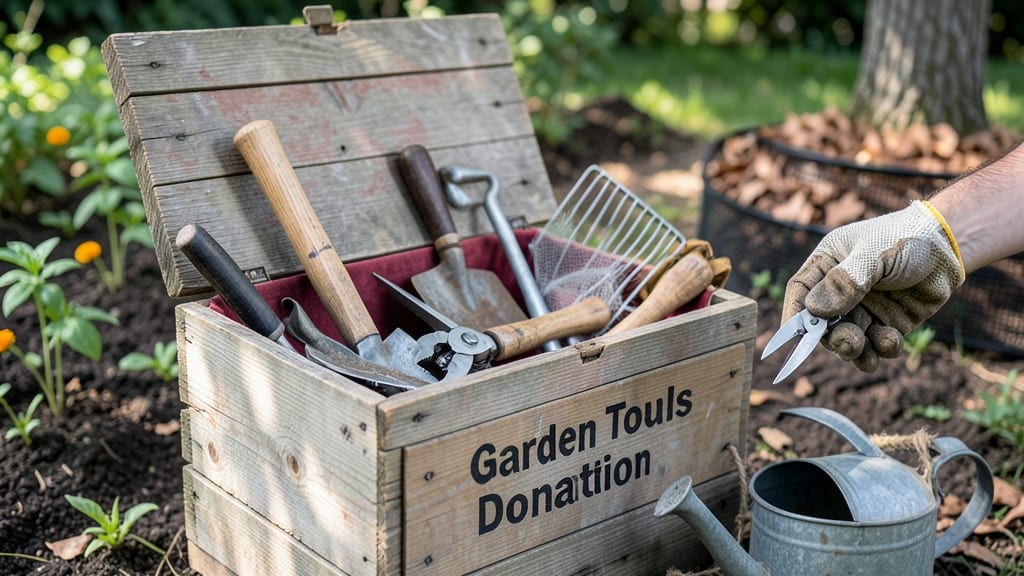
To donate garden tools, check local hardware stores like Home Depot or Lowe’s, community garden programs, Habitat for Humanity ReStore locations, or national organizations such as ReTooling or The Tool Bank. Always verify their acceptance policies before dropping off items.
Many people overlook how easy it is to recycle garden tools instead of tossing them. 🔥 Hardware stores often accept gently used tools to resell or redistribute, while community gardens need them to maintain public spaces.
National groups like ReTooling specialize in tool donations, ensuring they reach people who truly need them—whether for DIY projects or trade programs. Before donating, check if items need cleaning or minor repairs, as some programs require tools to be in working condition.
If you're unsure where to start, begin with your local hardware store—they frequently partner with recycling initiatives. For larger donations, national organizations can provide pickup services in certain areas. Always call ahead to confirm what they accept, as policies vary by location and tool type.
💡 In This Article
- How to Find Local Garden Tool Recycling Programs
- Top National Organizations Accepting Garden Tools
How to find local garden tool recycling programs
Local hardware stores like Home Depot and Lowe’s often partner with tool recycling programs, making them the easiest starting point. These stores typically accept tools in working condition, with some locations offering dedicated donation bins or scheduling pickup for larger quantities.
For example, Home Depot’s Tool Lending Library program in certain regions allows customers to borrow tools for free, and donations help restock these libraries. The process is straightforward—simply bring clean, functional tools to the store’s customer service desk or designated donation area.
Community gardens are another excellent option, especially if your tools are slightly used but still functional. Many urban and suburban gardens rely on donated tools to maintain public spaces, and they often have specific needs like trowels, pruners, or wheelbarrows.
To find nearby gardens, check local government websites or community boards—some cities even list garden tool donation drives during spring planting seasons. Municipal recycling programs may also accept tools if they’re part of a larger metal recycling initiative, though policies vary by location.
What makes these local options so effective is their immediate impact. When you donate to a hardware store or community garden, your tools are often redistributed within weeks, helping others in your neighborhood.
For instance, a rusty but functional shovel might get a second life in a community garden’s tool shed, where volunteers use it to plant vegetables for food banks.
Always call ahead to confirm what’s accepted—some programs require tools to be free of rust or damage, while others focus on functionality over condition.
Another lesser-known resource is your local library or maker space. Many libraries now offer tool-sharing programs where patrons can borrow tools for DIY projects, and donations help keep these programs running. Maker spaces, which are community workshops for hands-on projects, often accept tools to support their members.
These locations are ideal if you have a collection of tools you no longer need but want to ensure are used responsibly. 🔥
If you’re unsure where to start, begin with a quick online search for “tool donation near me” or check your city’s recycling guidelines. Some municipalities even host annual tool donation events, where volunteers sort and redistribute tools to those in need.
For example, cities like Portland and Seattle have organized large-scale tool donation drives that collect hundreds of tools in a single day, ensuring they reach people who might not have access to gardening equipment.
One key detail to remember is that most local programs prioritize tools that are clean, functional, and free of significant wear. A slightly rusty trowel might still be accepted, but heavily damaged tools may not qualify.
Taking 10-15 minutes to clean and inspect your tools before donating can make a big difference in whether they’re accepted. This small effort ensures your donation goes directly to someone who can use it.
For those with larger collections, consider reaching out to local hardware stores or community organizations to schedule a pickup. Some stores, like Lowe’s, offer bulk donation services, while community gardens may coordinate with volunteers to collect tools from your home.
This option is perfect if you have a garage full of tools you no longer need but don’t want to haul to a donation center yourself. 💫