
Pests
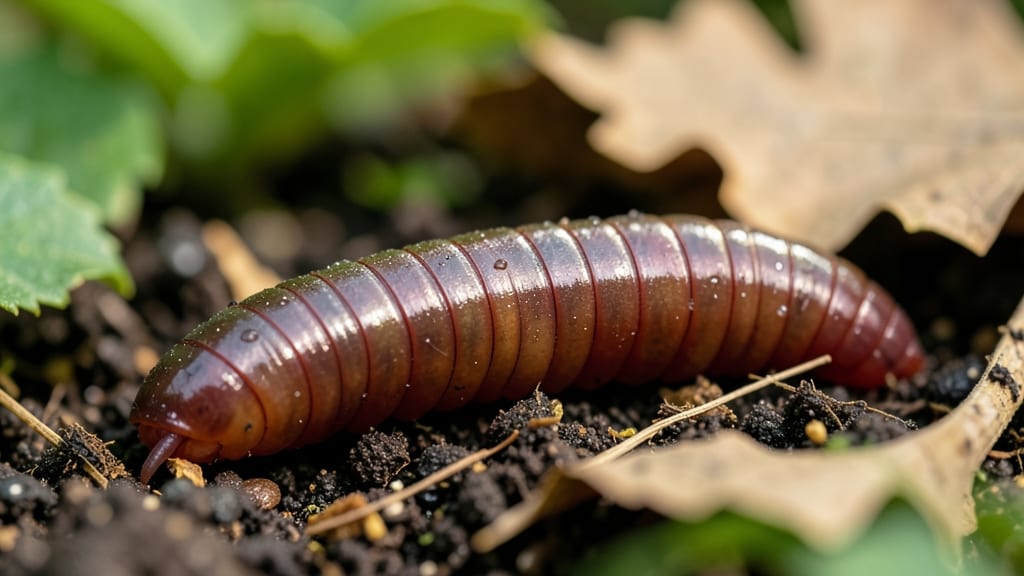
Garden worms eat decomposed organic matter like fruit and vegetable scraps, coffee grounds, crushed eggshells, and moistened leaves. They thrive on nitrogen-rich kitchen waste and leaf litter while avoiding meat, dairy, and oily foods that harm their digestive systems.
Garden worms, also known as red wigglers, are nature's composting champions because they specialize in breaking down plant-based materials. 🌱 Their diet primarily consists of soft, decaying organic matter—think overripe fruit, wilted veggie trimmings, or shredded paper—all of which they process through their unique gut microbes.
The key to their success is a balanced diet: too much acidic citrus or salty foods can disrupt their digestion, while a mix of greens (like banana peels) and browns (like dried leaves) keeps their environment healthy.
I've found that adding crushed eggshells not only provides calcium but also helps neutralize odors in worm bins.
What makes their diet so fascinating is how they transform waste into nutrient-rich castings. Unlike traditional compost piles, worms create a finer, more stable end product perfect for fertilizing gardens.
The secret lies in their ability to process cellulose-rich materials—like coffee grounds or tea bags—while avoiding anything that might introduce harmful bacteria or chemicals. For best results, always introduce new foods gradually and monitor moisture levels to prevent mold or unpleasant smells.
💡 In This Article
- How Worm Digestion Breaks Down Organic Waste
- Best and Worst Kitchen Scraps for Worm Bins
How worm digestion breaks down organic waste
Garden worms, or red wigglers, have a specialized digestive system designed to process cellulose-rich materials efficiently. Their gut contains symbiotic microbes that break down complex organic compounds into simpler nutrients.
When worms ingest food, it passes through a muscular gizzard that grinds particles to a fine consistency—similar to how a blender processes ingredients. This grinding action exposes more surface area for microbial action, allowing them to extract maximum nutrients from materials like fruit peels or coffee grounds.
The key to their diet lies in balancing nitrogen and carbon sources. Nitrogen-rich "greens" (like vegetable scraps or grass clippings) provide protein for worm growth, while carbon-rich "browns" (such as dried leaves or shredded paper) create an ideal environment for microbial activity.
Worms avoid acidic foods (like citrus) or salty items because these disrupt their gut pH balance, which is typically neutral to slightly alkaline. 🌱 Their digestive process also produces castings—nutrient-dense worm poop—that contain up to five times more nutrients than the original waste, making them an exceptional soil amendment.
Unlike traditional composting microbes that rely on heat and decomposition, worms process materials at cooler temperatures (around 55-77°F). Their digestive system takes 24-48 hours to fully break down food, which is why overfeeding can lead to mold or odors.
The worms' ability to aerate soil as they move also introduces oxygen, further enhancing microbial activity. This makes them far more efficient than passive composting methods, which can take weeks or months to produce usable fertilizer.
What's fascinating is how worms handle different textures. Soft materials like banana peels or melon rinds are easier to digest, while tougher items (like celery stalks) require more time. The worms' jaw-like structures can't chew like mammals—they rely entirely on grinding and microbial action.
This is why pre-shredding scraps helps them process food more efficiently. 🔥 The result? A finely processed, odor-free compost that's perfect for garden beds or houseplants.
One common misconception is that worms eat everything organic. In reality, their diet excludes animal products (meat, dairy, eggs) and processed foods because these introduce harmful bacteria or chemicals that disrupt their digestive systems. Even small amounts of oil or vinegar can create an acidic environment that stresses the worms.
The ideal worm diet is 1:1 greens to browns by volume, with moisture levels maintained at about 80-90%—similar to a wrung-out sponge.
For those using worm bins, understanding this digestion process helps troubleshoot problems. If you notice foul odors, it's often a sign of too much nitrogen (greens) or insufficient carbon (browns). Adding shredded newspaper or dried leaves can rebalance the mix.
Conversely, if the bedding stays too dry, worms will burrow deeper to find moisture, slowing down the composting process. The goal is to mimic their natural forest floor habitat where they thrive in moist, decaying leaf litter.