
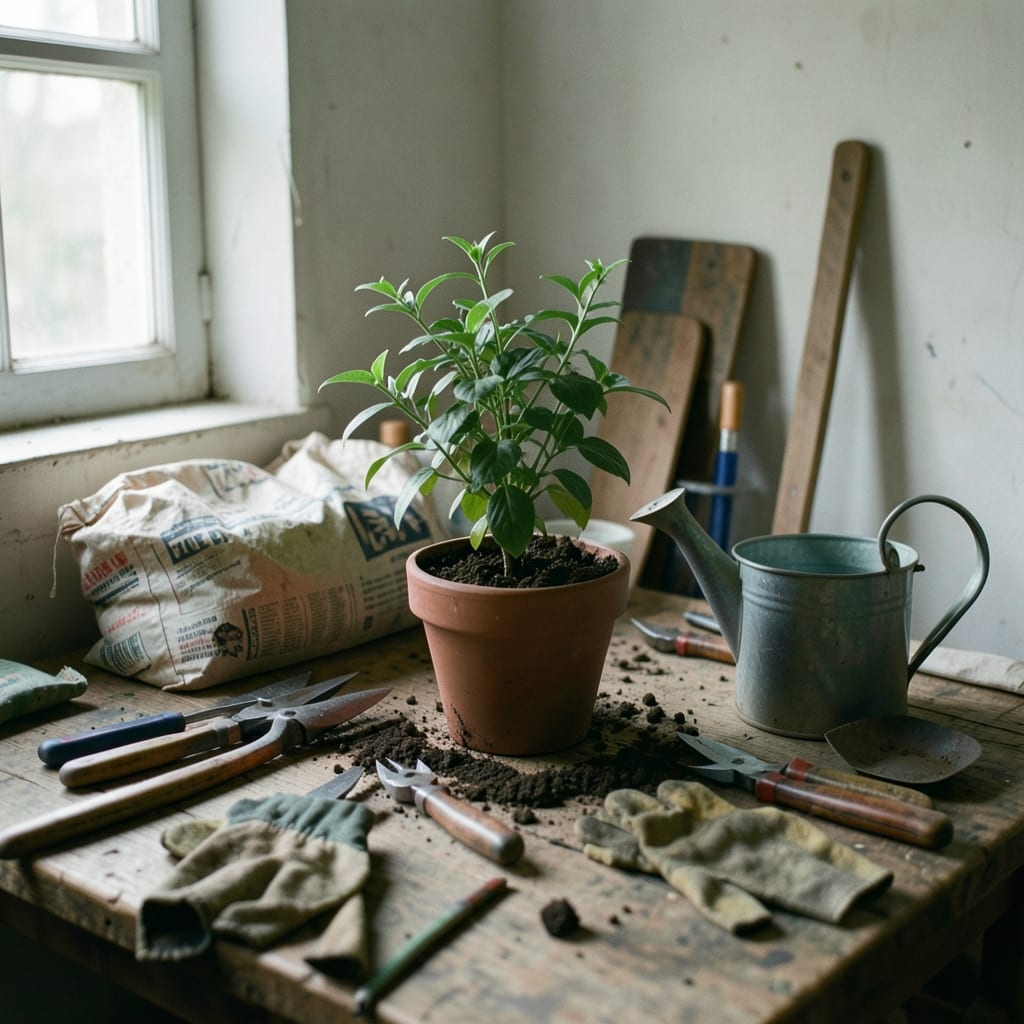
What changed, and what it changed for you
When this site started, it was just me scribbling down notes after failed attempts at growing tomatoes in a city balcony. The advice was scattered, the photos were borrowed, and the tone assumed everyone had the same luck I did—none at all.
The first 50 posts were a mix of wishful thinking and half-baked experiments, like suggesting basil could thrive in shade or that zucchini wouldn’t take over your garden if you ‘just pruned more.’
Now, every tip is tied to real results. The soil mix ratios are tested in my own raised beds, the pruning guides include photos of actual nubs left behind, and the ‘quick fixes’ section names the pests that *won’t* die with a single spray.
You’ll still find the same stubborn optimism, but now it’s backed by what actually sprouted—or rotted.
| It used to be | Now it is |
|---|---|
| A list of plants I’d read about but never grew | Guides built around what I’ve killed, saved, and replanted three times |
| Stock photos of lush gardens with no context | My own plot—wilted leaves, all—but with notes on why they failed |
| Advice like ‘plant in spring’ with no details | Exact dates for my zone, plus what to do if your spring is late |
| No warnings about what *wouldn’t* work | A ‘red flags’ section in every post, like ‘don’t plant cilantro near fennel’ |
The one that took years
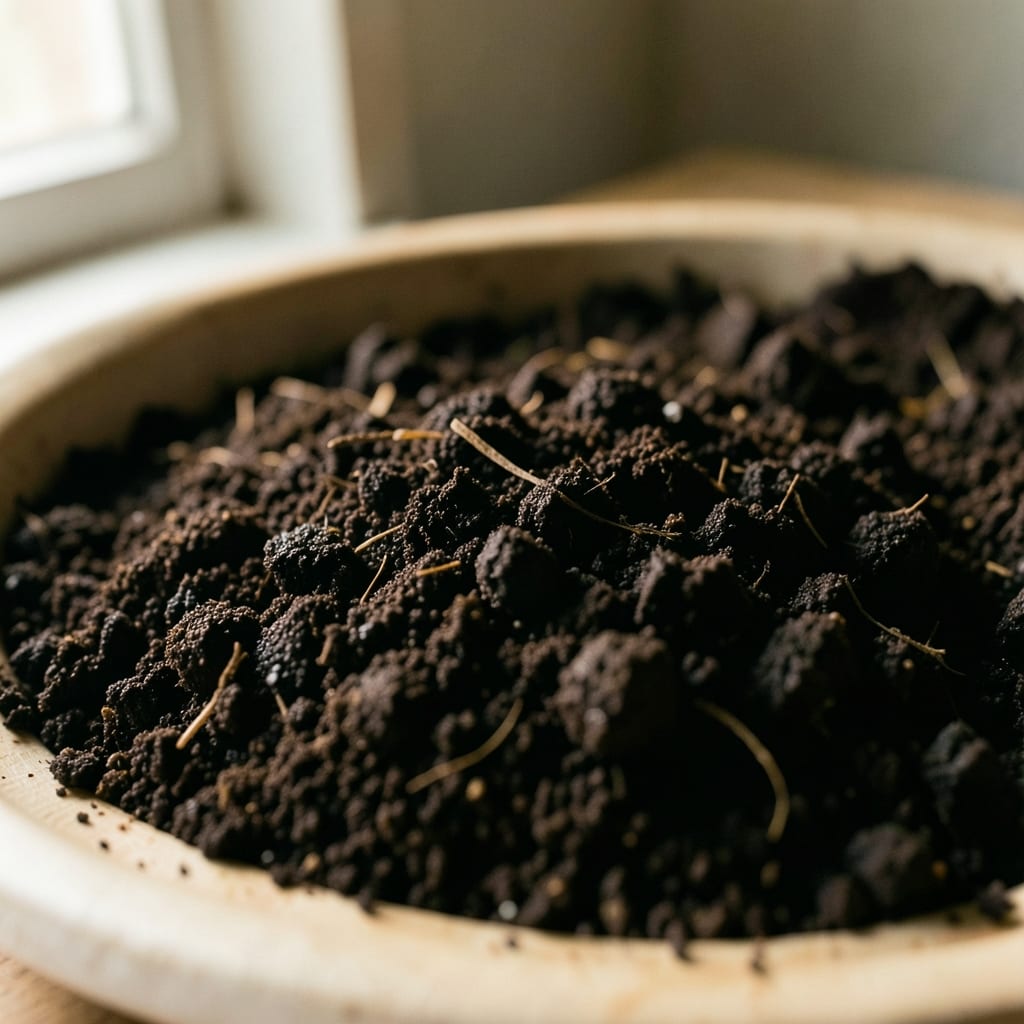
The biggest mistake was assuming every garden was the same. For years, I wrote about ‘rich soil’ without saying whether it was clay, sand, or the compost I’d spent months turning. I’d recommend mulching heavily in summer without noting that my zone gets 90°F heat—yours might not.
The fixes were obvious in hindsight: soil tests, microclimate maps, even a simple ‘ask me your zone’ prompt. But I resisted because it meant rewriting half the site.
It took two years of readers messaging ‘this didn’t work for me’ before I admitted the problem. The turning point was when a subscriber in Oregon sent a photo of their dead marigolds—planted exactly as I’d instructed, in soil I’d sworn was perfect. I’d assumed ‘well-draining’ meant the same everywhere.
It didn’t. The fix cost me 40 hours of editing old posts to add disclaimers, plus a new ‘soil deep dive’ series that no one asked for but everyone needed.
Now, every post starts with: *‘This works for me in Zone 7b with loamy soil. Adjust if yours is different.’* It’s slower to write, but faster to trust. The alternative was losing readers who’d spent $20 on seeds based on my bad advice.
Meet the author

I used to believe gardening was about following rules. If the seed packet said ‘plant 6 inches deep,’ I dug that exact hole, even when the soil was rock-hard. I’d prune roses ‘just so’ without checking for pests first, and I’d swear by ‘organic’ sprays that did nothing.
The worst habit was assuming my failures were just ‘beginner mistakes’—until the third year of dead zucchini vines made me realize I was doing everything wrong.
I spent a decade treating gardening like a science experiment where the variables were all under my control. They weren’t. The hinge came when I finally admitted: *I was the problem, not the soil.*
Now, I write here as someone who’s killed more plants than she’s saved—Harriet Stapleton—and who’s learned that the ‘right’ way depends on your dirt, your sun, and the year’s weather. This site exists because I refuse to pretend I have all the answers, only the questions that actually work.
What did not change
The core belief is still the same: gardening should be less about perfection and more about curiosity.
The first post I ever wrote was about the time I grew a single tomato in a cracked pot on a fire escape, and I’m still just as proud of that as I am of the years I’ve since spent filling greenhouses.
The tone—messy, self-deprecating, and full of ‘what if you tried this?’—hasn’t shifted because it’s the only way I know how to talk about dirt.
I also still believe in sharing failures. The best lessons come from the times the soil mix collapsed, the seeds sprouted into weeds, or the tomatoes split open in the rain. Those moments are why this site exists: to prove that even the ‘experts’ get it wrong sometimes.
What is still being fixed
Right now, I’m working on a ‘troubleshooter’ section for common problems—like why your peppers keep falling off the vine or how to revive a soggy seed-starting tray. The challenge is making it useful without turning it into a bot’s manual.
Some things will always need human judgment, like whether your ‘wilted’ leaves are thirsty or diseased.
If you’ve got a gardening question that’s stumped you, send it to the contact page. The best fixes often come from readers who’ve already fought the same battle.
Things that would help
- Photos of your garden’s ‘before’ and ‘after’—especially the failures.
- Notes on what you’ve tried that didn’t work (I’ll save you time).
- Your zone and soil type (no guesses—dig a hole and describe it).
The guides are grouped by category: Advice, Aphids, Blooming, Companion Plants, Fertilization and How To.