
Advice
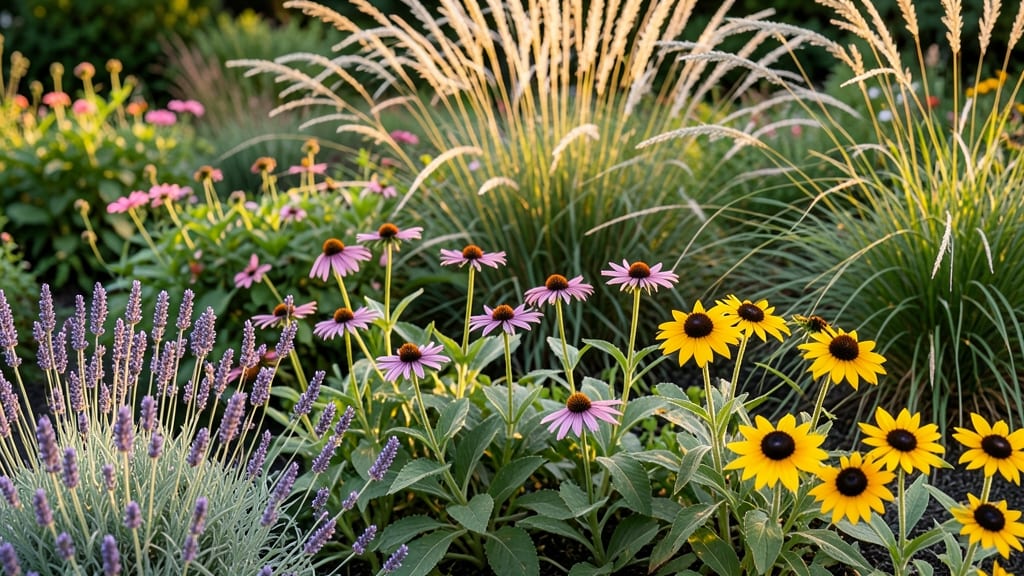
The best place to grow a garden is where your plants thrive naturally—full sun exposure (6+ hours daily), well-draining soil, and climate conditions that match their needs. Whether you're cultivating vegetables in a temperate zone or tropical flowers in a warm microclimate, adapt for shade, wind, and seasonal changes to ensure success.
Finding the ideal garden spot means balancing sunlight, soil, and climate with your plants' specific needs. 🌱 For example, leafy greens like spinach prefer cooler temperatures and partial shade, while tomatoes and peppers thrive in hot, sunny conditions.
I always start by mapping my yard's sunlight patterns—some areas might get full sun while others stay in shade most of the day. Microclimates, like a south-facing wall or a sheltered corner, can create perfect pockets for heat-loving plants even in cooler regions.
Soil quality is equally critical—amending heavy clay or sandy soil with compost can transform poor conditions into fertile ground. For small spaces, container gardening offers flexibility to place plants where they'll get the right conditions, whether that's a sunny balcony for herbs or a shaded patio for ferns.
The key is observing your space throughout the seasons to identify which areas perform best for different types of plants.
💡 In This Article
- How Climate Zones Determine Garden Success
- Microclimates and Garden Layouts for Year-Round Growth
How climate zones determine garden success
The USDA hardiness zone map divides North America into 13 zones based on average annual minimum temperatures, which directly impacts what plants can survive in your area.
For example, zone 5 (average lows of -20°F to -10°F) supports hardy vegetables like kale and broccoli, while zone 10 (30°F-40°F lows) allows year-round tropical plants like hibiscus.
The key is matching your plants' cold tolerance to your zone—planting a banana tree in zone 4 would be a costly mistake since it needs zone 10+ warmth.
Seasonal sunlight patterns vary dramatically by region. In northern climates, summer days provide 15-16 hours of daylight, while winter offers only 8-9 hours. Southern areas see more consistent 10-12 hours year-round. This affects everything from tomato ripening (which needs 6+ hours of direct sun) to flower blooming cycles.
Even within zones, elevation matters—mountain gardens in zone 6 might need plants suited for zone 5 due to cooler night temperatures.
Frost dates create critical planting windows. Most vegetables need soil temperatures above 50°F to germinate, while tender crops like basil won't tolerate frost. I've found that tracking your local last frost date (typically March 15-April 15 in most regions) helps schedule plantings for optimal growth before summer heat arrives.
In arid climates, mulching with straw can maintain soil moisture while preventing temperature swings that stress plants.
Edge climates—areas near coasts, deserts, or urban heat islands—require special adaptations. Coastal areas often have moderate temperatures but high humidity, while desert gardens need drip irrigation to prevent water loss.
Urban microclimates can be 10°F warmer than surrounding areas due to concrete heat absorption, making them ideal for heat-tolerant crops like okra or sweet potatoes.
For tropical plants, consider creating a protected microclimate using greenhouses or cold frames. These structures can extend growing seasons by 4-6 weeks in cooler zones, allowing you to grow citrus trees or banana plants that wouldn't survive outdoors.
The science here involves creating a controlled environment where humidity and temperature remain within the plant's optimal range of 70-85°F.
What most gardeners overlook is how wind patterns affect plant health. Strong winds dry out soil and damage stems—this is why windbreaks (like hedges or fences) are essential in exposed areas. I've seen tomato plants double in yield when protected from 20+ mph winds that would otherwise stunt their growth.
The right placement can mean the difference between a thriving garden and one struggling against environmental stress.