I’ve always had a green thumb—whether it was sneaking seeds from my grandpa’s garden as a kid or turning a patch of dirt behind our apartment into a makeshift vegetable plot. There’s something about watching plants grow that feels like magic. This site is where I share the tricks, fails, and little victories from my own garden, so you can grow with confidence too. Think of it as a conversation between neighbors over the fence, where we swap stories and tips over a shared love of dirt, sunlight, and the occasional pest battle.
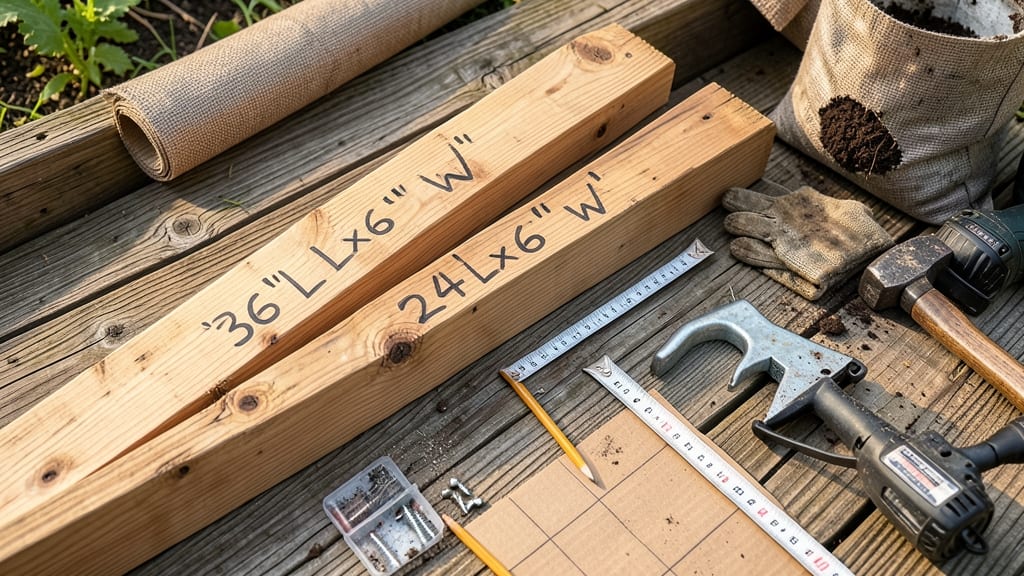
Building 2x4 raised garden bed plans gives you a sturdy, customizable space to grow more food in less room—no heavy lifting or expensive materials required. Picture this: a 4-foot-tall bed packed with tomatoes, herbs…
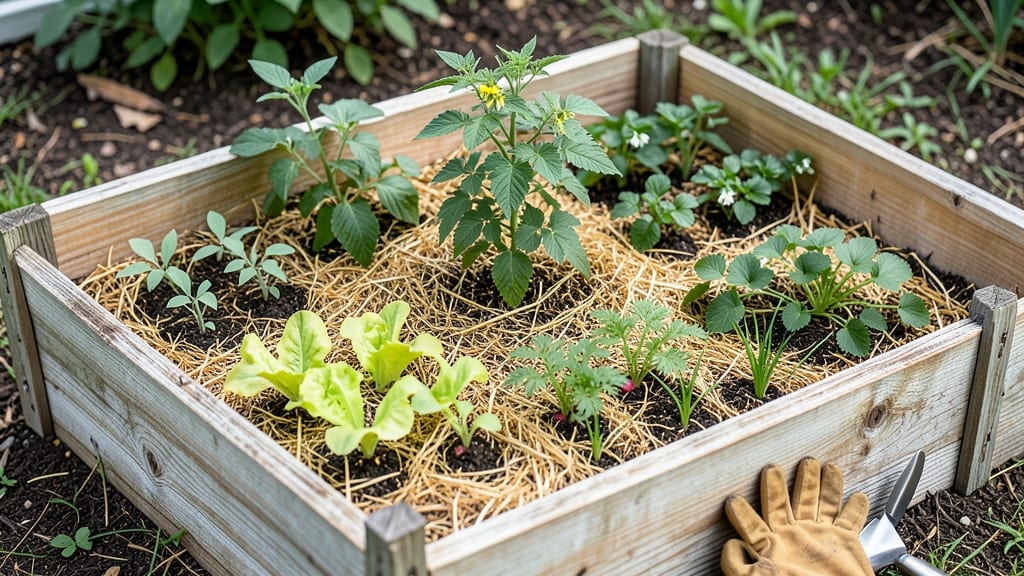
An 8x8 raised garden can pack more produce into less space than you’d expect—if you layer the soil right. Picture this: a tiny 64-square-foot plot yielding more tomatoes, peppers, and greens than your neighbor’s…
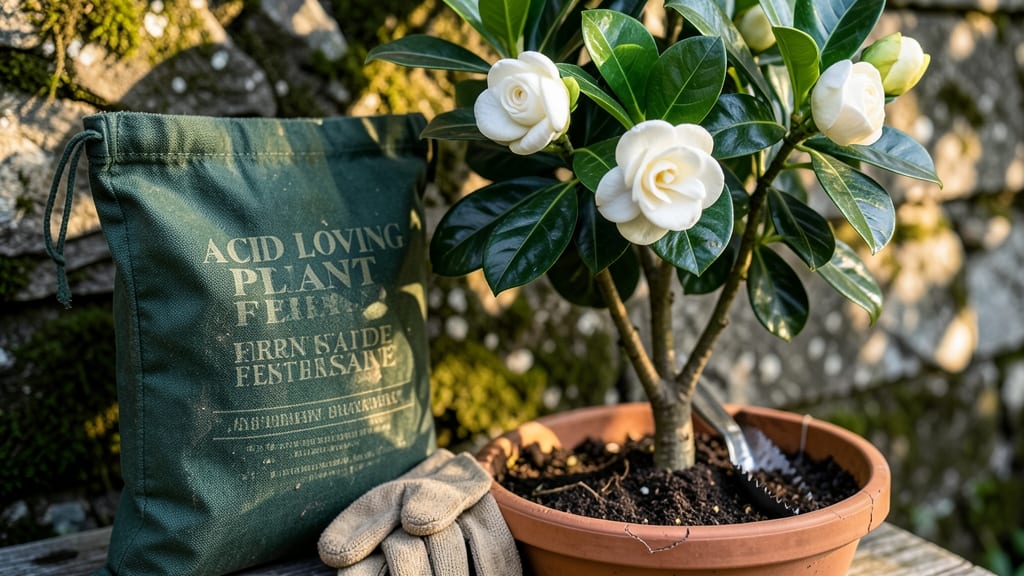
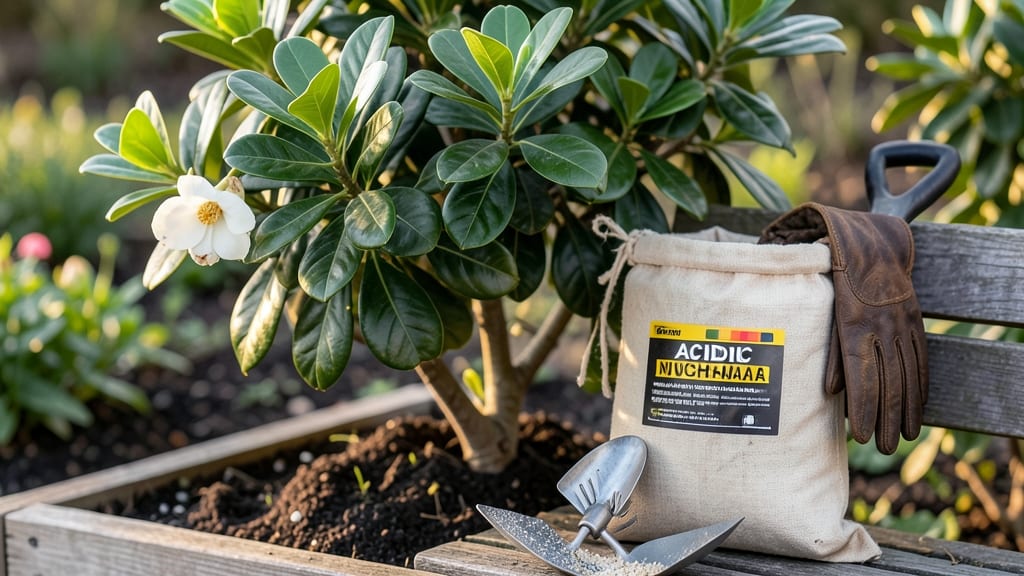
Using an acid-based fertilizer for gardenias is the key to unlocking those fragrant, glossy blooms 🌸 that make your garden the envy of the neighborhood. But here’s the catch: most gardeners overlook the pH balance , and…
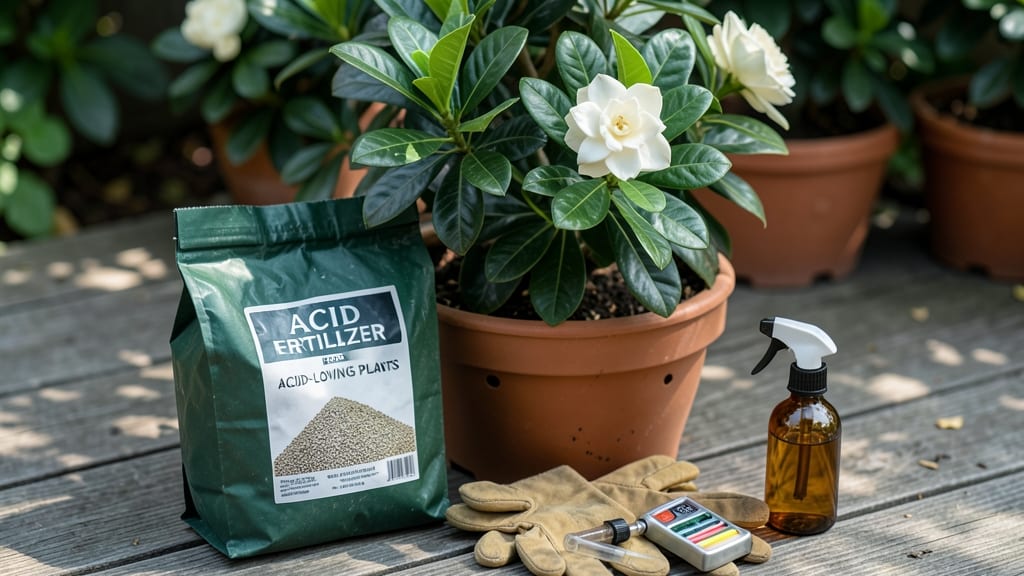
Using acid fertilizer for gardenias is the secret to unlocking their fragrant blooms and glossy leaves, but most gardeners get it wrong—either overdoing the acid or missing the signs of deficiency. Picture this: your 🌸…
Using an acidic nitrogen fertilizer for gardenias is the fastest way to stop yellow leaves and bring back those fragrant 🌸 blooms. Your gardenias are sending an SOS with yellow leaves—but the wrong fertilizer could make…
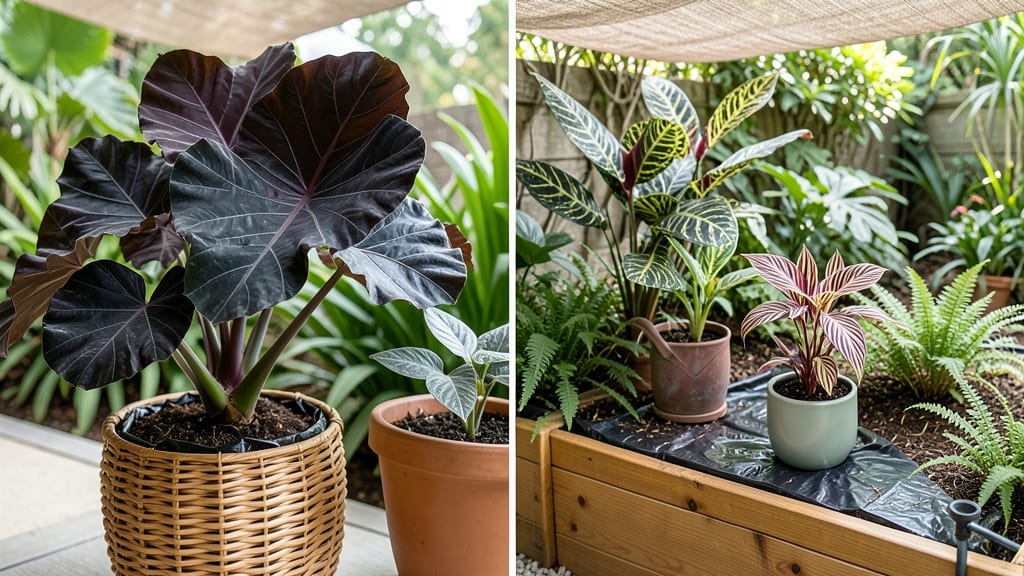
Designing alocasia garden ideas that wow requires more than just dropping a few plants in the shade—it’s about creating a lush, dramatic focal point that feels intentional. 🌿 Picture this: your darkest corner…
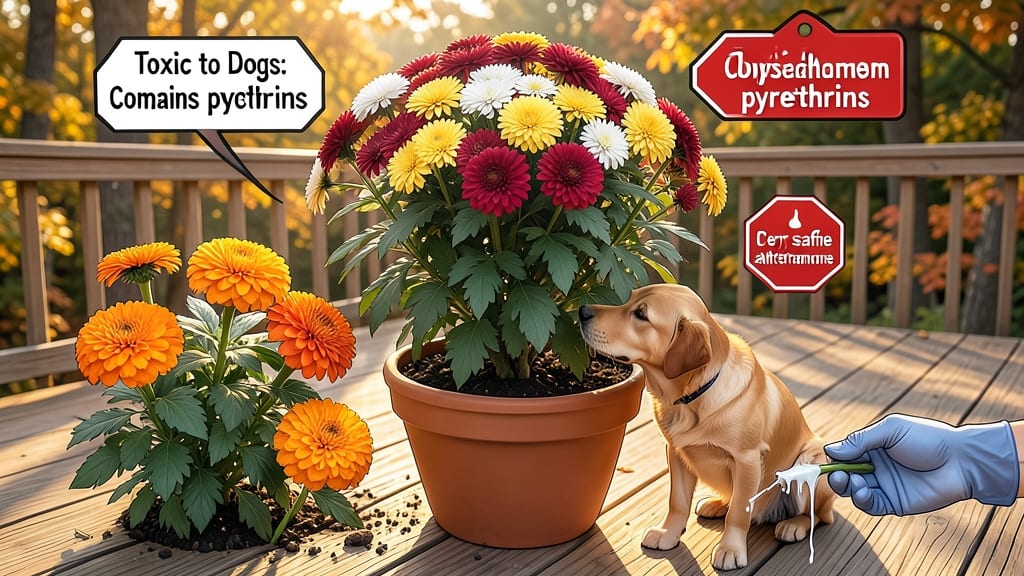
💥 Quick Answer Garden mums (chrysanthemums) are toxic to dogs, containing pyrethrins that cause drooling, vomiting, diarrhea, and lethargy. Avoid planting them near pets or use dog-safe flowers like sunflowers or…
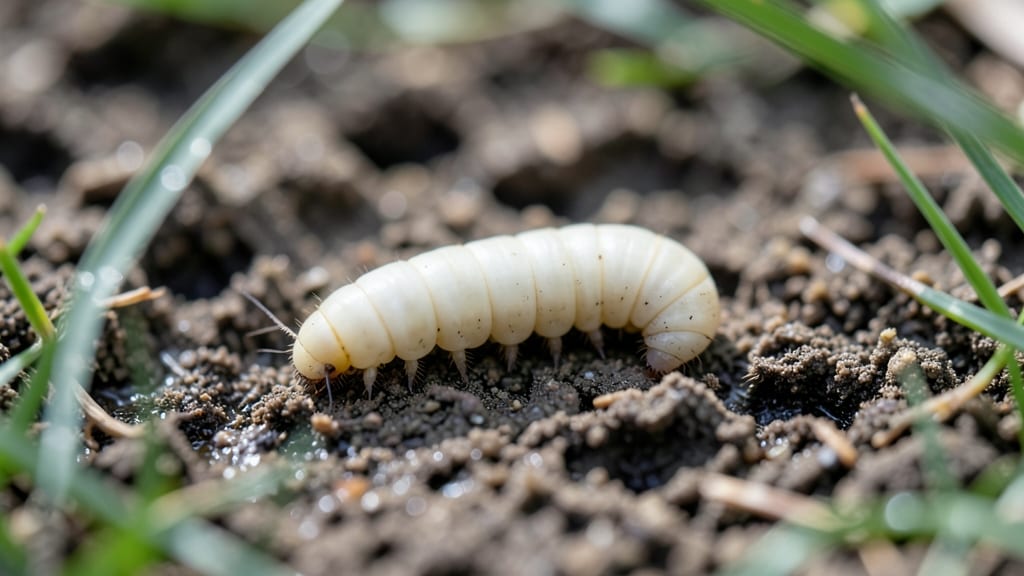
💥 Quick Answer Grubs in your garden are bad because they feed on grass roots and plant roots, causing yellowing lawns, wilting plants, and weak root systems that can lead to patchy or dead areas if left uncontrolled…
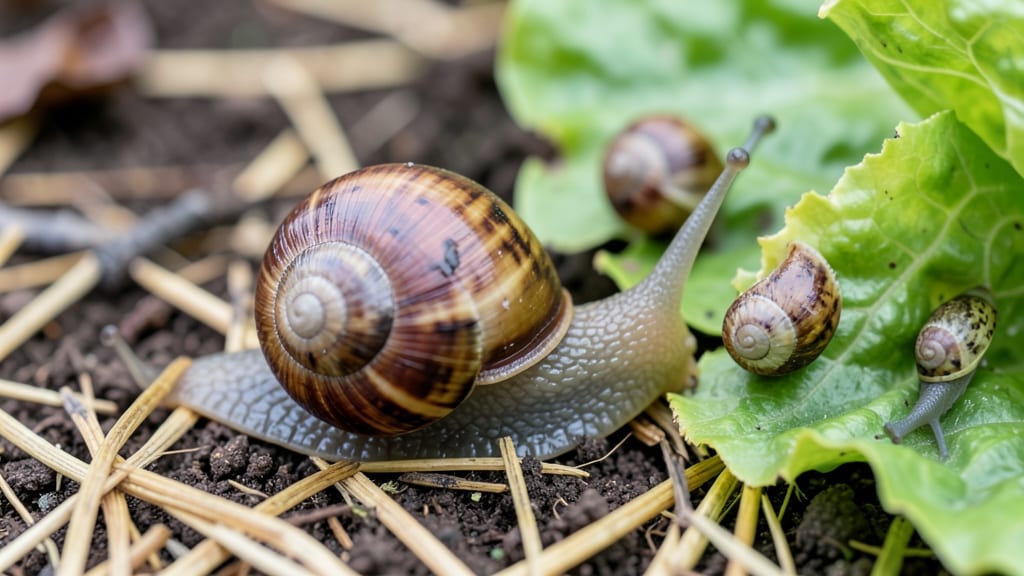
💥 Quick Answer Snails are beneficial to gardens because they break down organic debris, enrich soil with calcium-rich mucus, and help control pests like aphids while improving soil structure and microbial balance. These…
💥 Quick Answer Snails are good for gardens when managed properly, acting as natural pest controllers by consuming slugs and aphids while improving soil health through their burrowing and nutrient-rich waste, though…