
Planting
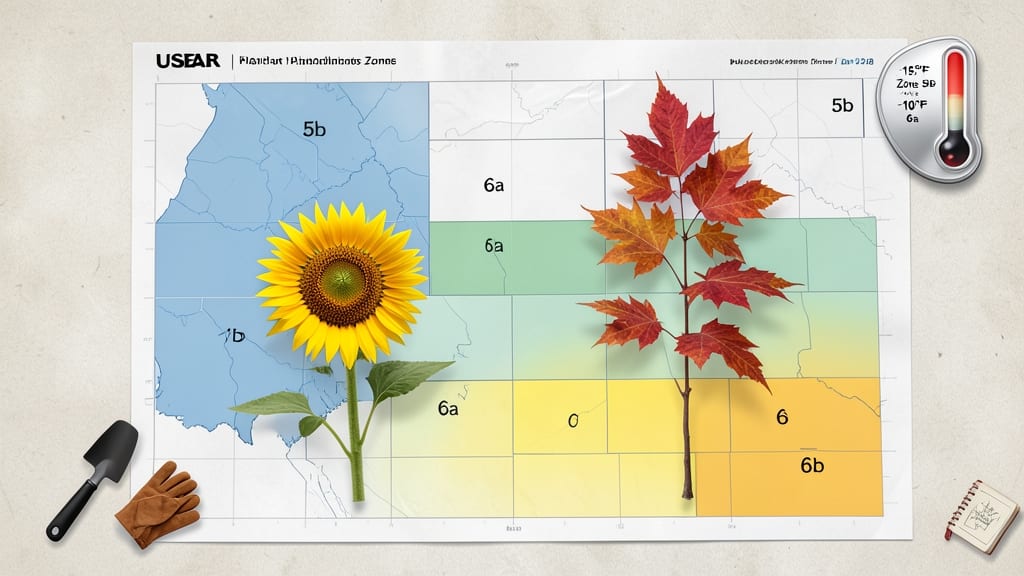
Pennsylvania's gardening zones range from USDA Zone 4 in the north to Zone 7 in the south, with most of the state landing in Zones 5b to 6b. These zones shift based on elevation and local climate variations, so always verify your exact location on the USDA Plant Hardiness Zone Map before selecting plants.
Understanding Pennsylvania's gardening zones helps you choose plants that thrive in your specific microclimate.
The state's northern regions, like Erie County, often fall into Zone 5a or 5b, while cities like Philadelphia and Harrisburg typically experience Zone 7a or 7b conditions. 🌱 Elevation plays a major role too—mountainous areas like the Poconos can drop into Zone 4, while valleys may reach Zone 6.
This variation means what works in Pittsburgh (Zone 6b) might struggle in Scranton (Zone 5b), so checking your exact zone is crucial before planting.
For gardeners, this zone diversity means you can grow a wide range of plants, from cold-hardy perennials in the north to heat-loving annuals in the south. The USDA map provides precise boundaries, but local nurseries often offer tailored advice based on their region's specific conditions.
Always consider your last frost date too—it typically ranges from April 15 in the south to June 1 in the north, which affects when you can safely plant warm-season crops.
💡 In This Article
- Pennsylvania’s USDA Zones Explained: Climate and Elevation Factors
- Best Plants for Pennsylvania’s Gardening Zones by Region
Pennsylvania’s USDA zones explained: climate and elevation factors
Pennsylvania’s gardening zones reflect its dramatic geographic diversity, where elevation changes can shift temperatures by 5-10°F over just a few miles.
The state’s northern tier—including Erie and the Poconos—drops into Zone 4a, where winters average below -30°F, while the southeastern corner near Wilmington reaches Zone 7b, with milder winters around 5°F.
This gradient occurs because higher elevations experience colder air that sinks into valleys, creating microclimates where a single county might contain three different zones.
The Appalachian Mountains create some of the most extreme variations. In the Allegheny Plateau, areas like State College (Zone 5b) can have 100 more frost-free days than nearby mountain towns in Zone 4a.
Meanwhile, urban heat islands in cities like Philadelphia (Zone 7a) can push summer temperatures 5-8°F warmer than rural areas just 20 miles away, extending growing seasons by 2-3 weeks.
These differences explain why peonies thrive in Zone 5b but struggle in Zone 7a—they need that winter chill to bloom reliably.
Latitude also plays a role, with southern Pennsylvania receiving 10-15% more sunlight annually than the north. This extra solar energy translates to earlier spring thaws and longer fall growing periods in zones like 7a/7b.
For example, tomatoes in Zone 6b (Pittsburgh) typically ripen by mid-September, while in Zone 7a (Lancaster), they often continue producing into October.
Gardeners in transition zones (like Zone 5b/6a) should choose plants with adaptive hardiness ranges, such as daylilies (Zones 3-9) or Russian sage (Zones 4-9), to bridge the climate gap.
Microclimates within yards further complicate zone selection. A south-facing slope might add 2-3°F of warmth compared to a north-facing area, allowing you to plant one zone harder (e.g., Zone 6 plants in Zone 5b).
Similarly, bodies of water—like the Lake Erie shoreline (Zone 6a)—moderate temperatures, creating pockets where tender perennials like lavender (Zone 5) can survive winters that would kill them inland.
To test your microclimate, monitor local frost dates: Philadelphia averages its last frost by April 15, while Erie often waits until May 10.
For precise planning, overlay the USDA map with your property’s elevation data (available from USGS topographic maps) and note nearby water features. A 1,000-foot elevation gain can drop you one full zone, so mountain gardeners in Zone 4a might still grow Zone 5 plants in sheltered microclimates.
The key is observing your garden’s unique conditions for 2-3 years—what the USDA map predicts isn’t always what your soil and microclimate deliver.
Pro tip: Use hardy annuals as test plants—like calendula (Zone 2-11) or nasturtiums (Zone 2-11)—to see how your microclimate performs compared to the official zone.
These plants will tell you if your garden runs warmer or colder than the map suggests, helping you fine-tune your plant selections for success. 🌿