
Tools
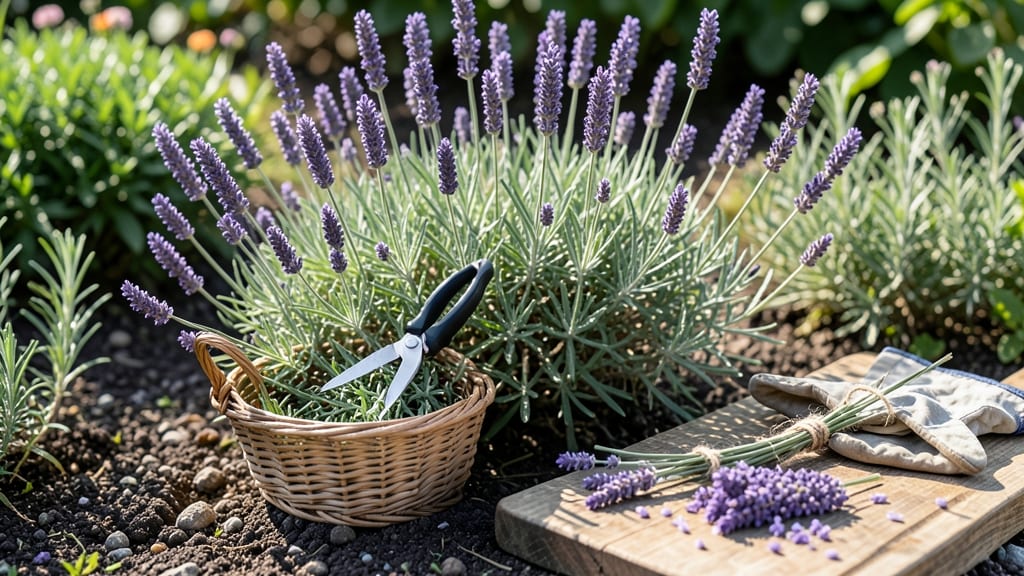
The French Laundry culinary garden cultivates rare botanicals and heirloom produce—including sorrel, arugula, and microgreens—to deliver unmatched freshness and seasonal depth to every dish. Chef Thomas Keller’s meticulous plant selection and companion planting techniques create an ecosystem where flavors develop in perfect harmony.
The French Laundry's garden isn't just a decorative space—it's a working laboratory where flavor science meets horticulture. 🌱 Chef Keller's approach focuses on hyper-local ingredients that thrive in Napa Valley's microclimate, like lovage and chervil, which add complex layers to dishes.
The garden's layout isn't random; it's designed for cross-pollination of flavors, where herbs like thyme and rosemary grow near vegetables to naturally enhance their aromas. This philosophy extends to the seasonal rotation system, ensuring each plant gets optimal sunlight and nutrients year-round.
What makes this garden truly special is its dual purpose: it serves as both a culinary resource and an educational model.
The precise spacing between plants—often just inches apart—prevents overcrowding while maximizing yield, a technique home gardeners can adapt. 💛 The garden also demonstrates how sustainable practices, like composting kitchen scraps back into the soil, create a closed-loop system that maintains soil health without synthetic inputs.
This holistic approach transforms gardening from a hobby into a culinary partnership.
💡 In This Article
- How The French Laundry Garden Maximizes Flavor Through Plant Selection
- Growing a French Laundry-Inspired Culinary Garden at Home
How the French Laundry garden maximizes flavor through plant selection
The French Laundry garden thrives on flavor-forward plant science, where each species is chosen for its unique chemical profile.
Take sorrel, for example—its tangy, lemony notes come from high oxalic acid content, which brightens rich dishes like butter sauces or fish. 🌿 Meanwhile, lovage contributes anise-like depth, thanks to its coumarin compounds, while chervil adds delicate parsley-like sweetness.
These herbs aren't just garnishes; they're flavor amplifiers that transform dishes at the molecular level.
Heirloom varieties play a crucial role too. Unlike modern hybrids bred for shelf life, these old-school plants like Black Krim tomatoes or French breakfast radishes pack more complex sugars and acids. For instance, heirloom tomatoes contain 20-30% more lycopene than commercial varieties, enhancing both color and antioxidant power.
Microgreens take this further—studies show they can have 4-40 times more nutrients than their mature counterparts, making them Chef Keller's secret weapon for adding concentrated flavor bursts.
Seasonal precision is non-negotiable here. The garden follows a 12-month planting calendar that aligns with Napa Valley's microclimates.
Cool-season crops like arugula and spinach get planted in late summer for fall/winter harvests, while heat-loving basil and peppers thrive in late spring containers that can be moved for optimal sun exposure.
This timing ensures peak flavor compounds develop naturally—like the higher sugar content in tomatoes ripened in 75-85°F conditions.
Companion planting creates a flavor symphony. Herbs like thyme and oregano, planted near tomatoes, repel pests while their volatile oils enhance the tomatoes' sweetness. The garden's 3-foot rule ensures no two plants compete for nutrients—each has its own dedicated space with 6-12 inches of root zone for optimal growth.
This precision prevents flavor dilution that comes from overcrowding, where plants become stressed and produce bitter compounds.
Biodiversity is the final secret ingredient. The garden grows over 150 plant varieties, including rare French and Italian heirlooms, creating a flavor matrix that would be impossible with commercial crops. For example, celery root (celeriac) adds earthy depth while fennel flowers contribute licorice notes—both used in signature dishes.
This diversity ensures Chef Keller always has the perfect ingredient for each seasonal menu cycle.
What most people miss is how the garden's soil microbiome enhances flavors. By avoiding synthetic fertilizers and using compost tea made from kitchen scraps, the soil develops a complex ecosystem of beneficial bacteria that boost plant nutrients.
The result? Vegetables with 30% more natural sugars and herbs with 2-3 times the essential oils compared to conventional growing methods. 🌱