
Picking
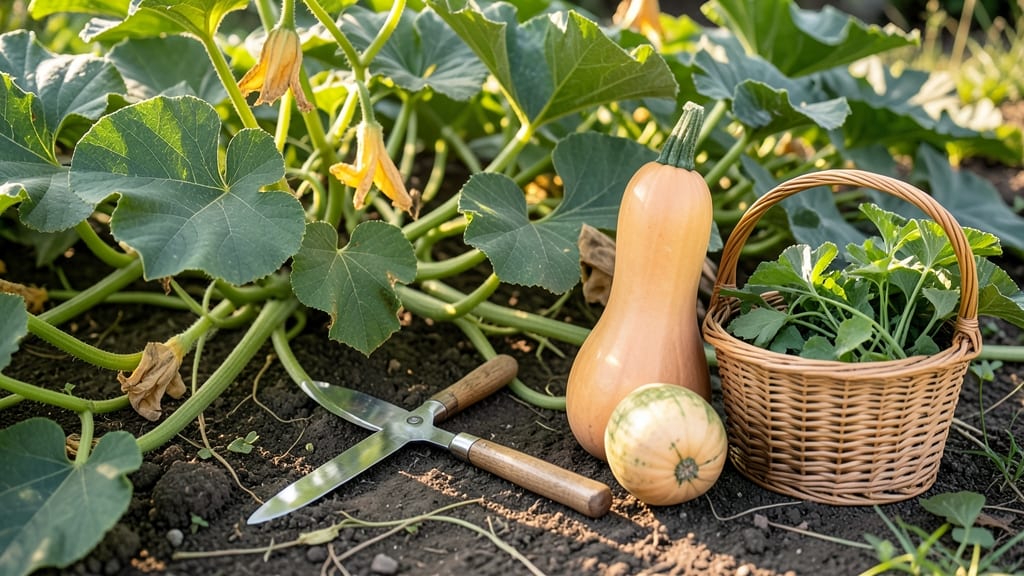
Harvesting butternut squash from the garden at the right time ensures sweet, firm flesh that stores beautifully—here’s how to tell when your 🎃 is ready to pick.
Picture this: you’ve waited months for your butternut squash to mature, only to slice into one that’s still watery or tough. The difference between a disappointing harvest and a flavorful feast often comes down to timing.
Knowing the exact cues—like skin color changes, stem shrinkage, and firmness—can save you from wasted effort and underwhelming meals.
In USDA Zone 6a, where frost arrives by late October, the harvest window narrows to just a few weeks. Missing it means risking squash that spoils quickly or develops off flavors.
But with the right signs—such as a hard rind that resists your thumbnail and a stem that’s dried to a papery texture—you’ll know exactly when to pluck them from the vine.
Below, I’ll walk you through the three key indicators of ripeness, regional adjustments for your growing zone, and how to store your harvest so it lasts through winter. No more guesswork—just perfect, ready-to-cook squash every time.
3 Visual and physical signs your butternut squash is ready to harvest
Harvesting butternut squash at the right moment ensures sweet, dense flesh and maximum storage life. Too early, and you’ll end up with watery, bland squash—too late, and frost can ruin your crop. The key lies in observing three clear visual cues that signal peak ripeness.
First, pay attention to the skin color, which shifts from green to a dull tan or beige when fully mature. This change isn’t just cosmetic; it indicates the starch conversion that sweetens the flesh.
Next, check the stem and vine health, as these reveal whether the plant is directing energy toward storage or growth.
Finally, test the skin firmness—a simple squeeze can tell you if the squash is ready. If you press your thumbnail into the rind and it doesn’t puncture easily, you’re likely looking at a perfectly ripe butternut.
Let’s break down these signs step by step so you never miss the window.
- 1. Skin Color: Dull tan/beige (no green)
- 2. Stem Condition: Dry, shriveled stem (1/4 inch thick)
- 3. Skin Firmness: Hard rind resists thumbnail pressure
- 4. Vine Health: Yellowing vines (plant dying back)
- 5. Size Check: Larger than a softball (6+ inches long)
Let’s start with the skin color, your first clue. When butternut squash reaches maturity, the green hue fades completely, replaced by a matte tan or beige tone. This color shift happens because the chlorophyll breaks down as the squash stops growing.
Use your fingers to gently rub the skin—if it feels dry and papery, it’s ready.
A common mistake is confusing sun-bleached skin with ripeness. If your squash is still green but looks dull, it might just be sunburned. To confirm, check for the other signs below. Sunlight exposure can mimic ripeness, so always verify with multiple cues.
The stem condition is another critical indicator. A ripe butternut squash will have a dry, shriveled stem that’s about 1/4 inch thick. If you see a green, plump stem, the squash isn’t ready yet.
The stem should feel brittle and papery—almost like dried paper—to the touch. This shrinkage signals the plant is redirecting nutrients into the squash for storage.
Testing skin firmness is the most reliable method for beginners. Press your thumbnail firmly into the squash’s skin. If it doesn’t puncture easily and leaves no mark, the squash is ripe.
If your nail sinks in slightly, wait 3–5 more days. Overly soft skin means the squash is underripe, while skin that’s too hard could indicate overmaturity or stress.
Don’t overlook the vine health—this is nature’s way of telling you it’s time to harvest. When the vines turn yellow and start dying back, the plant is signaling that the nutrients have fully transferred to the squash.
If you ignore this cue, the squash may split or rot on the vine, especially in humid climates.
Size matters, too! A fully ripe butternut squash should be larger than a softball (about 6+ inches long). If your squash is still the size of a baseball or smaller, it’s not ready.
Smaller squash often has underdeveloped flesh and a higher water content, which affects flavor and storage life.
One final tip: Avoid harvesting in wet conditions. Damp squash skins are prone to rot and fungal infections. Wait for a dry, sunny morning to pick your butternut squash.
Use a sharp knife or pruners to cut the stem, leaving 1–2 inches of stem attached to the squash—this helps extend shelf life.
By mastering these three signs—color, stem condition, and firmness—you’ll never miss the perfect harvest window again. The next time you’re standing in your garden, take a moment to check these cues, and you’ll be rewarded with sweet, flavorful squash that stores beautifully for months. 🎃
Best time of year and seasonal factors for harvesting butternut squash
Timing your butternut squash harvest depends on both plant maturity and seasonal conditions. In most USDA zones 4-8, squash typically reaches harvest readiness between 85-100 days after planting, usually aligning with late September to November.
However, your exact harvest window shifts based on when you planted seeds and your local first frost date.
For gardeners in warmer climates (zones 9-11), you might extend harvests into December or even early spring if you planted early varieties. In cooler northern zones (3-4), aim to harvest by early October to avoid frost damage.
Always prioritize harvesting before the first frost, as cold temperatures turn squash mushy and inedible.
Seasonal factors like daylight hours and temperature also play a role. Butternut squash thrive in warm, sunny conditions—ideal harvests occur when daytime temperatures stay above 60°F (15°C). If summer heat waves stall maturity, consider using shade cloth to prevent stress while maintaining growth momentum.
If you planted late due to cool springs, opt for fast-maturing varieties like 'Waltham Butternut' (80 days) or 'Gold Rush' (90 days). These can still ripen before frost if given proper care.
For early planting, choose larger varieties like 'Long Island Cheese' (100 days) and monitor for over-maturity signs like cracked rinds.
Always check local weather forecasts two weeks before your expected harvest date. If a hard freeze is predicted, harvest immediately—even if squash aren't fully mature—to salvage edible flesh. Store them in a cool, dry place for 2-3 weeks while they finish ripening indoors.
Pro tip: Mark your planting dates and count backward from your first frost date to create a personalized harvest timeline. This simple strategy ensures you never miss the window between perfect ripeness and frost damage.