
Planting
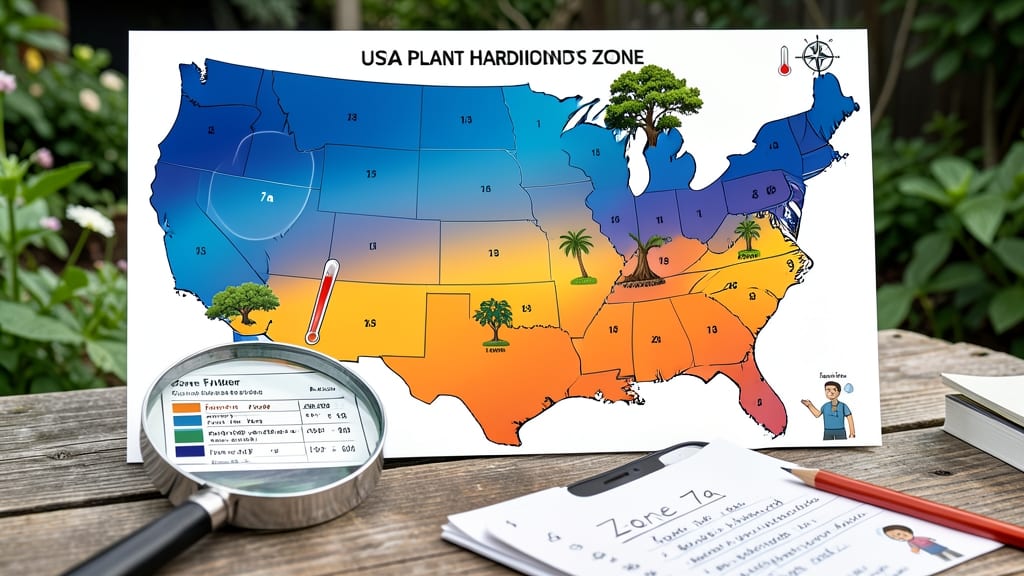
Finding your gardening zone means using the USDA Plant Hardiness Zone Map to enter your ZIP code, revealing your 5-11 zone range that dictates frost timing and plant compatibility for your area.
Your gardening zone isn't just a number—it's the foundation for successful planting. The USDA system divides the country into 13 zones based on average annual minimum temperatures, with each zone representing a 10°F range.
For example, Zone 5 (common in the Midwest) has colder winters than Zone 8 (typical in Southern California).
This classification helps you select plants that thrive in your local climate, from frost-sensitive tropicals to hardy perennials. 🌱 Understanding your zone also explains why some plants flourish in your neighbor's yard but struggle in yours—microclimates and urban heat islands can create variations even within the same zone.
Once you've identified your zone, you'll gain clarity on planting schedules. For instance, Zone 6 gardeners typically start warm-season crops like tomatoes after the last frost date in mid-May, while Zone 9 gardeners can plant year-round in many cases.
The map even accounts for gradual climate shifts, with recent updates reflecting warming trends that may have moved your zone up by half a number since the last edition.
💡 In This Article
- How USDA Plant Hardiness Zones Determine Your Garden’s Success
- Step-by-Step Guide to Locating Your Gardening Zone Online
How USDA plant hardiness zones determine your garden’s success
The USDA Plant Hardiness Zone Map divides the country into 13 zones based on the average annual minimum temperature—the coldest temperature expected to occur in any given year.
Each zone represents a 10°F range, meaning Zone 5 experiences temperatures between -20°F and -10°F, while Zone 9 ranges from 20°F to 30°F. This temperature threshold is critical because most plants cannot survive if exposed to colder temperatures than their hardiness zone allows.
For example, a Zone 6 tomato plant might survive a -10°F dip but will likely die if exposed to -20°F for extended periods. 🌡️
Frost-free periods also play a pivotal role in determining plant success. The USDA zones indirectly reflect the length of your growing season, which varies dramatically across regions. In Zone 10 (southern Florida and California), frost is rare, allowing tropical plants like hibiscus and bougainvillea to thrive year-round.
Meanwhile, Zone 4 (northern New England and Canada) has a short growing season, often limited to 90-120 days, making it ideal for cold-hardy crops like kale, potatoes, and rhubarb.
The map accounts for these variations by correlating temperature thresholds with typical frost dates, helping you align planting schedules with your local climate. 🌱
Climate change has already shifted these zones upward in many regions. Since the last update in 2012, parts of the Midwest and Northeast have seen their zones move up by half a number due to warming trends.
For instance, a gardener in Zone 5b (where minimum temperatures average -15°F to -10°F) might now find themselves in Zone 6a (where minimums average -10°F to -5°F). This shift means plants that were once considered too tender for the area—like peonies or lavender—can now thrive.
However, it also introduces challenges, such as increased pest pressures and water stress in regions that are warming faster than others. 🌡️
Microclimates further complicate the picture. Even within the same zone, your garden might experience variations due to factors like elevation, proximity to water, or urban heat islands.
A south-facing slope, for example, can be 5-10°F warmer than the surrounding area, effectively creating a Zone 6 microclimate in a Zone 5 region.
Similarly, cities like Phoenix or Atlanta often have zones that are half a number warmer than rural areas just 20 miles away due to concrete and asphalt absorbing heat. Understanding these nuances helps you fine-tune your planting choices for optimal success. 🏙️
Beyond temperature, the USDA zones also indirectly influence soil conditions and rainfall patterns. Cooler zones like Zone 3 (northern Canada and Alaska) often have shorter growing seasons and cooler soils, which can delay planting until late spring. Warmer zones like Zone 10 may experience longer, drier summers, requiring drought-tolerant plants.
By knowing your zone, you’re not just picking plants that survive the cold—you’re also selecting varieties that match your soil’s moisture retention, sunlight exposure, and seasonal rhythms. This holistic approach ensures your garden thrives year after year. 🌿
For example, if you're in Zone 7 (where temperatures range from 0°F to 10°F), you’ll want to avoid frost-sensitive plants like citrus or bananas unless you’re willing to grow them in containers and bring them indoors during winter.
Instead, you might opt for Zone 7 favorites like daylilies, black-eyed Susans, or blueberries, which are bred to withstand your region’s temperature extremes. The zone map acts as a starting point, but local nurseries and experienced gardeners can provide additional insights tailored to your specific microclimate. 🌸