I’ve always had a green thumb—whether it was sneaking seeds from my grandpa’s garden as a kid or turning a patch of dirt behind our apartment into a makeshift vegetable plot. There’s something about watching plants grow that feels like magic. This site is where I share the tricks, fails, and little victories from my own garden, so you can grow with confidence too. Think of it as a conversation between neighbors over the fence, where we swap stories and tips over a shared love of dirt, sunlight, and the occasional pest battle.
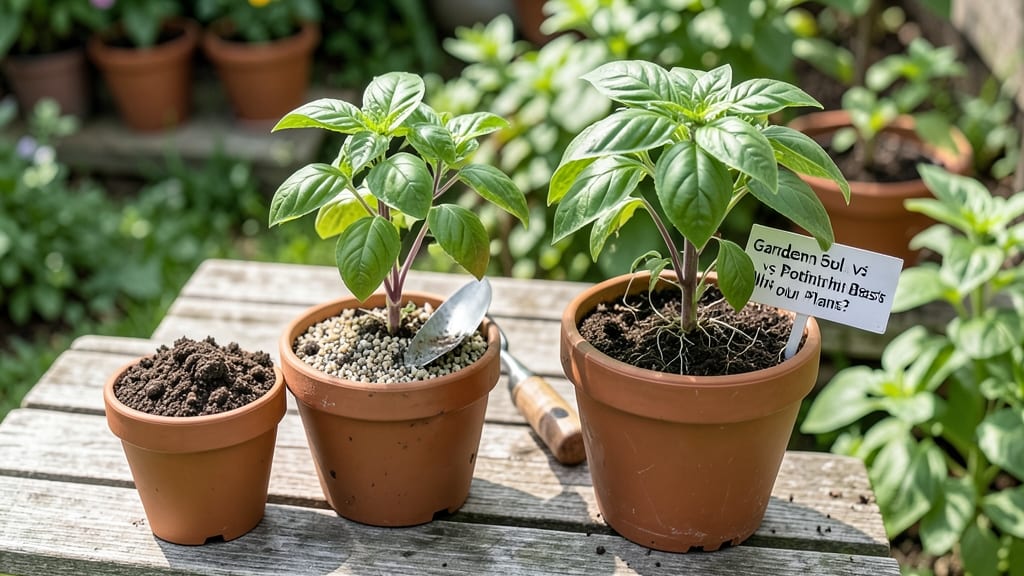
💥 Quick Answer You shouldn't use garden soil in pots because it compacts easily, drains poorly, and promotes harmful fungal growth. Instead, choose a lightweight potting mix with perlite, vermiculite, or compost to keep…
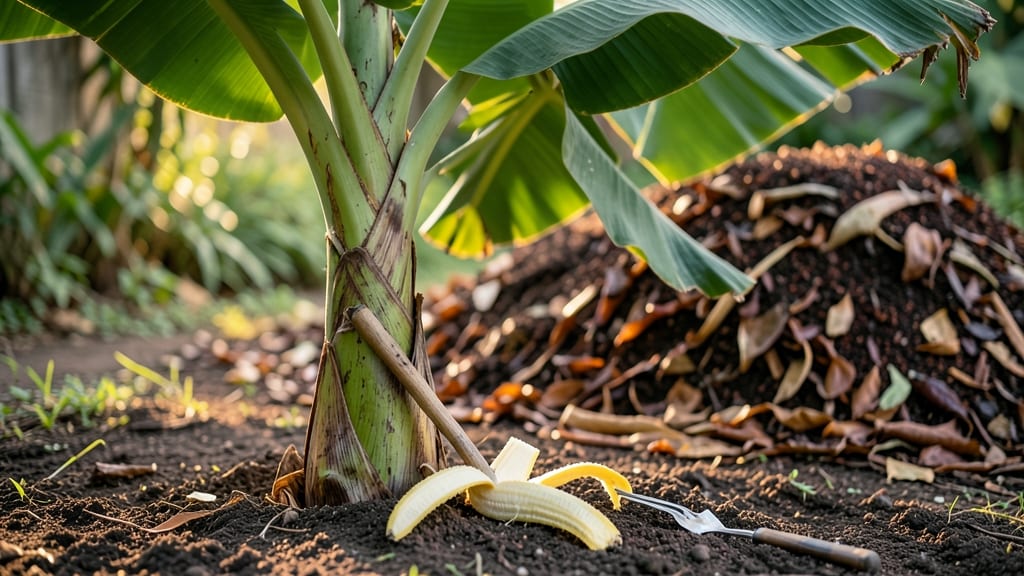
💥 Quick Answer Banana skins in the garden act as a natural pest deterrent, soil enricher, and compost booster. Their potassium content improves plant health while tannins and dopamine repel common garden pests like…
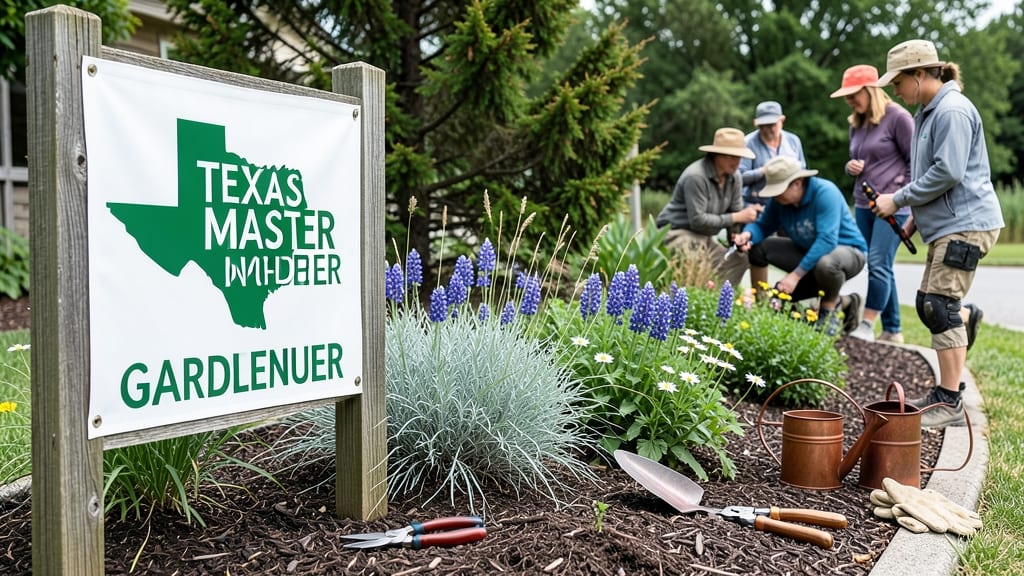
💥 Quick Answer The Texas Master Gardener Program trains volunteers in horticulture to support local communities, requiring applicants to complete 40 hours of classroom training and 40 hours of volunteer service. Costs…
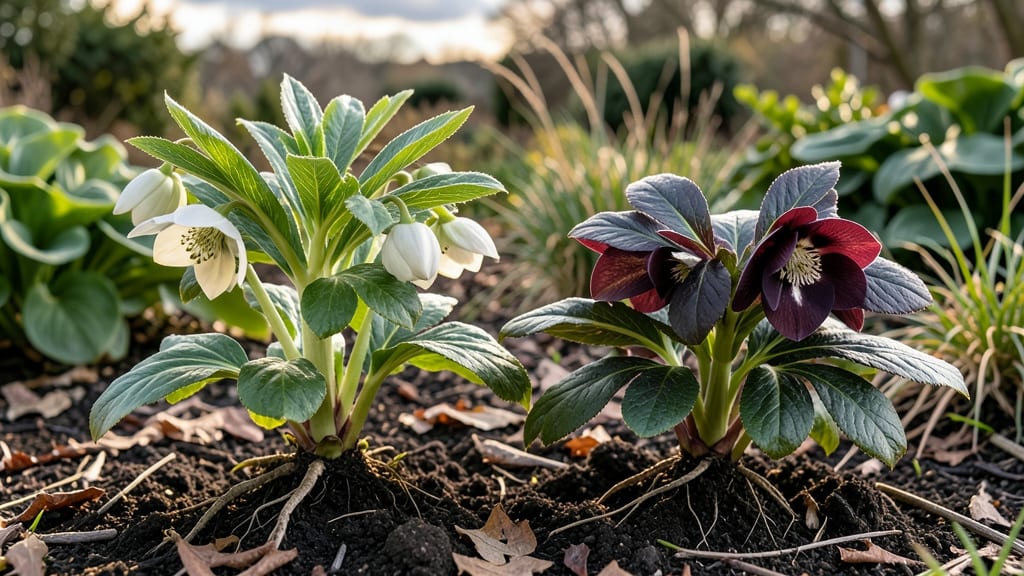
💥 Quick Answer Hellebores are perfect for gardens because they deliver vibrant winter and early spring flowers in shady spots, with standout varieties like Helleborus niger (Christmas rose) and Helleborus orientalis…
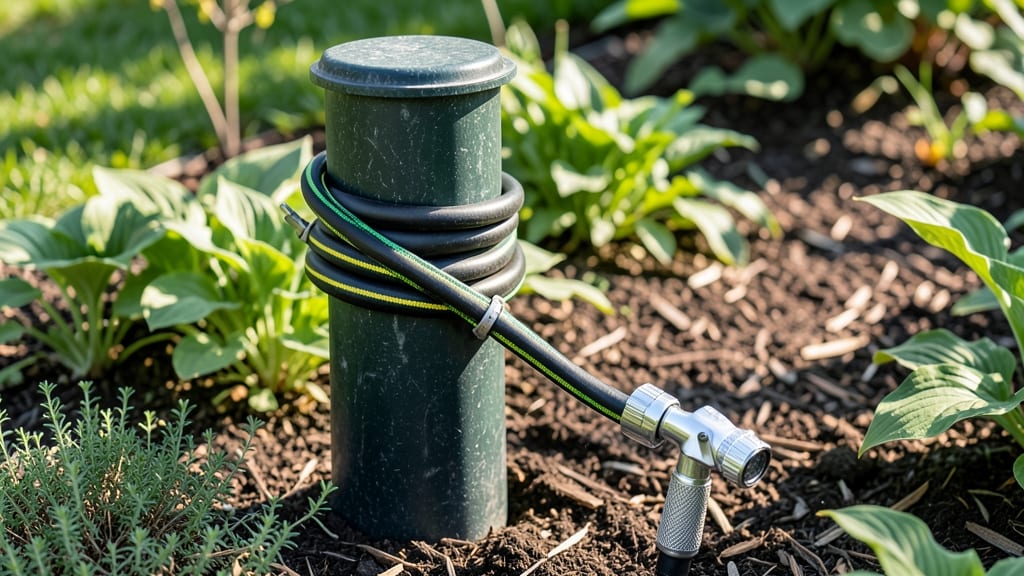
💥 Quick Answer Installing a garden hose post properly means anchoring it securely in concrete or ground, aligning it correctly for hose connections, and sealing all joints to prevent water leaks. Grab a post hole digger…
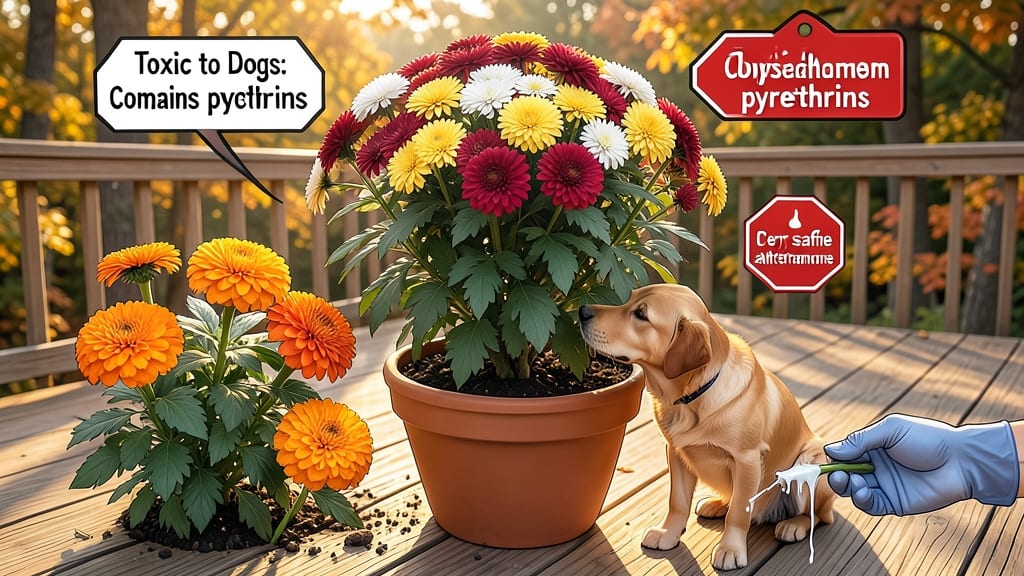
💥 Quick Answer Garden mums (chrysanthemums) are toxic to dogs, containing pyrethrins that cause drooling, vomiting, diarrhea, and lethargy. Avoid planting them near pets or use dog-safe flowers like sunflowers or…
💥 Quick Answer Zone three gardening thrives with cold-hardy plants suited for temperatures between -30°F and -40°F, focusing on frost-resistant crops like kale, potatoes, and raspberries while extending seasons with row…
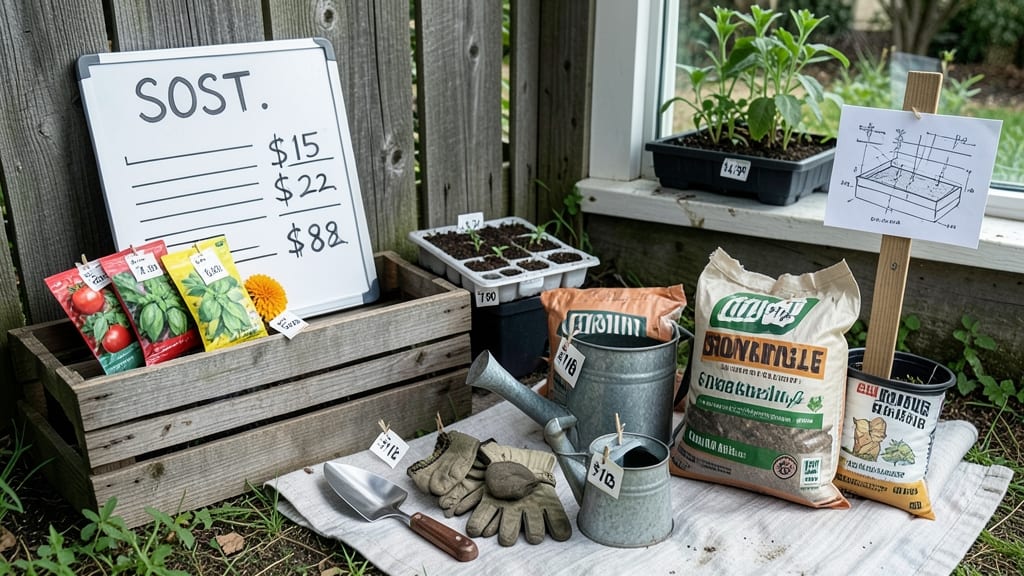
💥 Quick Answer Starting a garden costs between $50 and $500+ , depending on size, soil quality, and whether you buy seeds or seedlings. A small 4x4-foot raised bed ranges from $50–$150, while a full backyard garden…
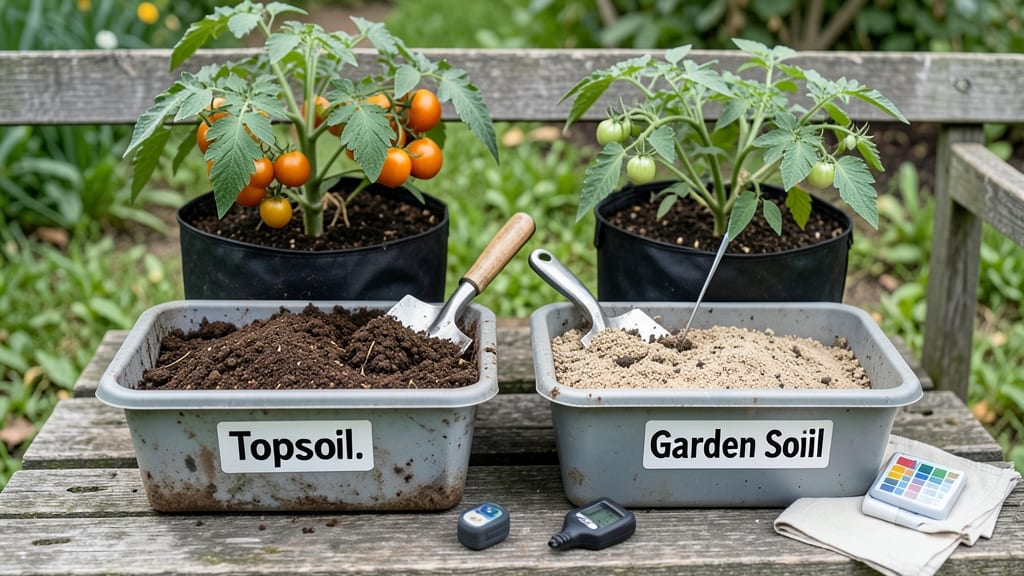
💥 Quick Answer Top soil and garden soil are not the same: top soil is the fertile uppermost layer of earth, rich in organic matter and nutrients, while garden soil is a blend of top soil, compost, and other amendments…
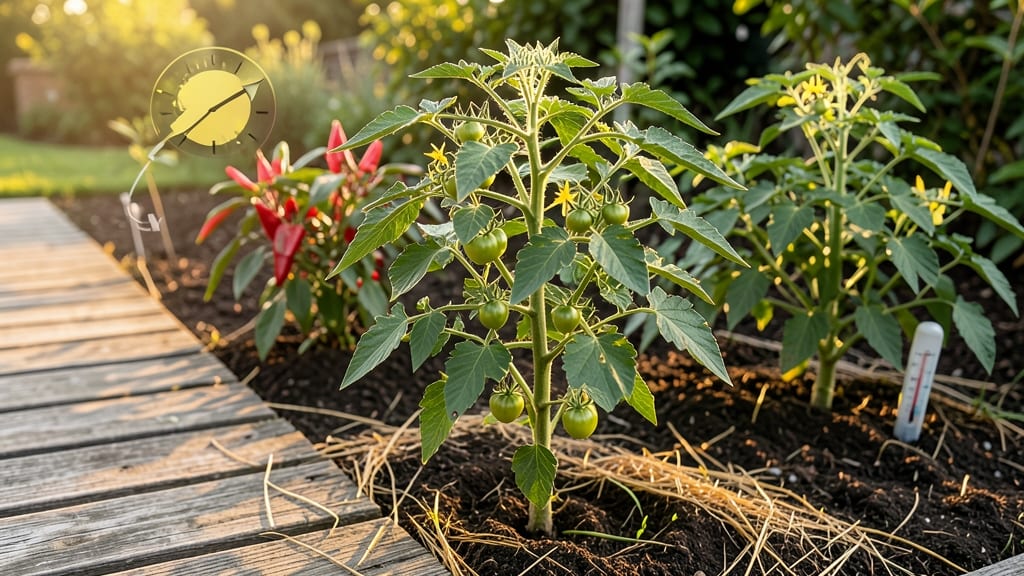
💥 Quick Answer Vegetable gardens need morning sun—about 6 to 8 hours daily—because cooler temperatures help plants retain moisture and avoid stress, while intense afternoon rays can damage tender leaves. Most crops grow…