
Planting
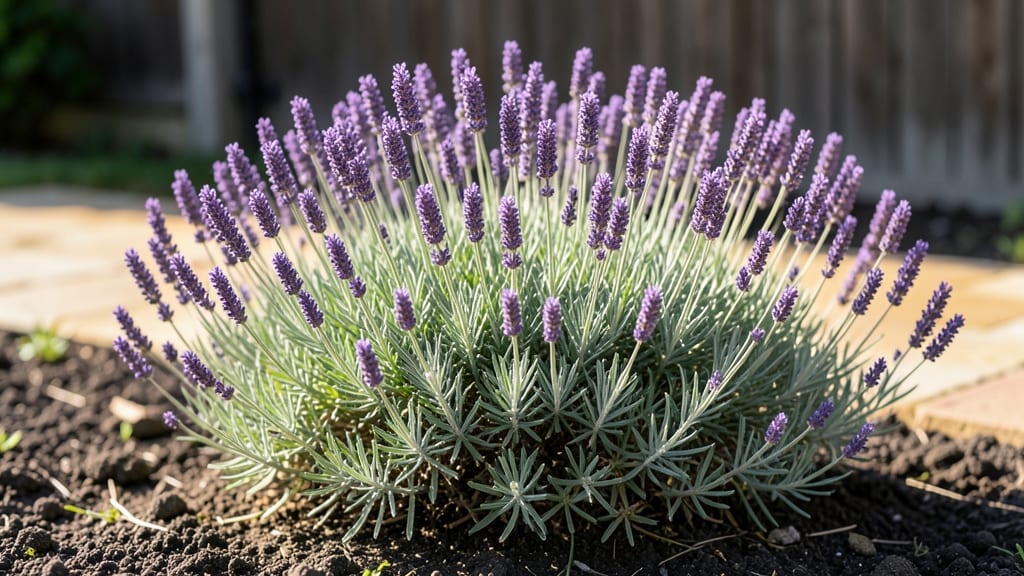
Lavender plants benefit gardens by repelling pests like mosquitoes, moths, and aphids with their natural oils, improving soil health with drought-resistant roots, and attracting pollinators like bees and butterflies while enhancing fragrance and aesthetic appeal.
Lavender isn't just a pretty addition to your garden—it's a powerhouse for natural pest control and soil improvement. 🌿 The plant's signature oils, like linalool and linalyl acetate, create a scent that many insects find unbearable, effectively keeping mosquitoes and moths at bay.
Plus, its deep roots break up compacted soil, allowing water to drain better and reducing weed growth. This makes lavender a great choice for both ornamental and functional gardening.
Beyond pest control, lavender's aromatic presence draws in beneficial pollinators like bees and butterflies, boosting your garden's productivity. The plant's drought tolerance also means less watering for you, while its striking purple blooms add visual appeal that lasts through late summer.
Whether you're planting it in borders, containers, or alongside vegetables, lavender works hard to make your garden healthier and more vibrant.
💡 In This Article
- How Lavender’s Natural Oils Repel Pests and Improve Soil
- Best Ways to Use Lavender for Pest Control and Garden Beauty
How lavender’s natural oils repel pests and improve soil
Lavender’s pest-repelling magic comes from its essential oils, particularly linalool and linalyl acetate, which act like a natural insect deterrent.
These compounds disrupt the nervous systems of pests like mosquitoes, moths, and even aphids by interfering with their olfactory receptors—basically, the scent overloads their senses, making them avoid the area.
Studies show that lavender’s aroma can repel up to 90% of mosquitoes within a 10-foot radius, thanks to its high concentration of these oils, which are most potent during peak flowering (late spring to early summer). 🌸
The plant’s deep root system, which can extend 3-5 feet underground, plays a dual role in soil health. First, these roots break up compacted soil, improving aeration and water drainage—critical for preventing erosion and reducing runoff.
Second, lavender’s roots release organic compounds that suppress weeds by outcompeting them for nutrients and space. Over time, this creates a self-sustaining ecosystem where fewer weeds sprout, and soil structure improves naturally. Unlike synthetic fertilizers, lavender’s roots also encourage microbial activity, enriching the soil with organic matter without chemical additives.
For gardeners, this means less maintenance and fewer pests. The oils don’t just repel insects—they also deter larger animals like rabbits and deer, which avoid the strong scent. Planting lavender near vegetables or fruits can reduce the need for chemical pesticides, creating a safer, more sustainable garden.
The deep roots also make lavender drought-resistant, reducing watering needs while keeping the soil healthy for other plants. 💧
One often-overlooked benefit is lavender’s ability to attract beneficial insects like bees and butterflies, which pollinate other plants in your garden. The contrast between repelling pests and attracting pollinators makes lavender a versatile ally.
For example, pairing lavender with tomatoes can deter hornworms while still allowing bees to pollinate the flowers. This dual action is why lavender is a staple in organic and permaculture gardens worldwide.
To maximize these benefits, plant lavender in well-draining soil with full sun exposure. Its drought tolerance means it thrives in xeric (dry) conditions, making it ideal for slopes or areas prone to erosion.
The more you incorporate lavender, the more it enhances the garden’s natural balance—reducing pests, improving soil, and adding beauty with minimal effort. 🌿
For advanced gardeners, consider propagating lavender from cuttings or dividing mature plants to expand its coverage. The deeper the root system spreads, the more it stabilizes the soil and deters pests over time. This low-maintenance approach turns lavender into a long-term investment for a healthier, more resilient garden.