
Flowers
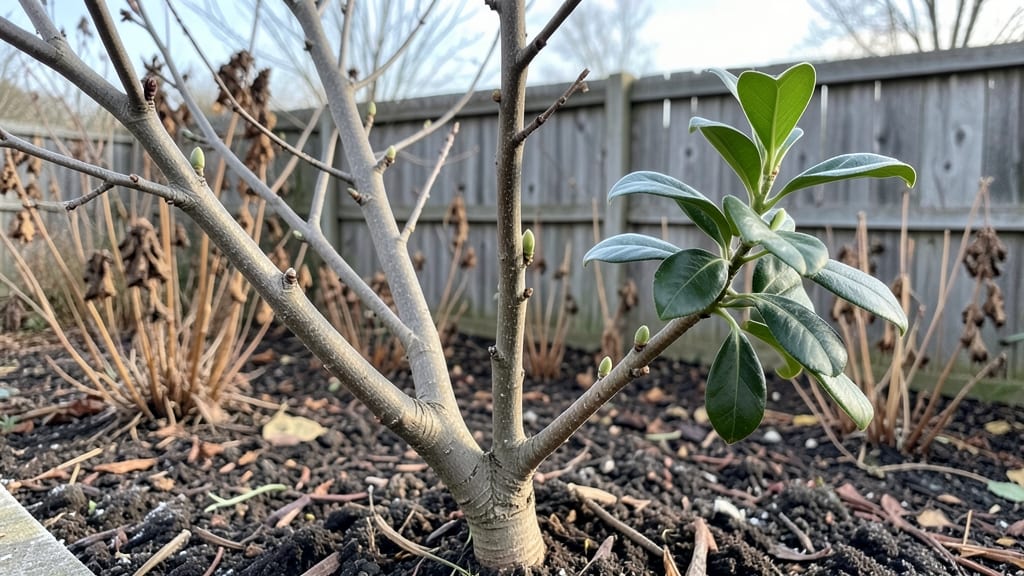
Gardenias in winter often look like they’ve taken a nap — their leaves may shrink, turn dull, or even drop, but that doesn’t always mean they’re dead.
If your 🌸 gardenias have lost their lush green leaves and fragrant blooms, you might be wondering—what do gardenias look like in winter? The answer reveals whether your plant is simply resting or struggling to survive the cold.
In USDA Zone 6a, where gardenias are on the edge of their hardiness, winter dormancy is normal. Healthy gardenias may keep a few small, dark green leaves or go nearly bare, while stressed plants might show yellowing or brown spots.
Below, I’ll show you how to tell the difference between natural dormancy and trouble, plus reviving tips to keep your gardenias thriving when spring rolls around.
Identifying gardenia dormancy: what healthy winter leaves look like
When winter arrives, your gardenia plants may undergo dramatic changes that can be confusing. Some varieties naturally shed leaves or enter a semi-dormant state, while others maintain a leathery evergreen appearance. Understanding these differences helps you distinguish between healthy dormancy and plant stress caused by cold, pests, or disease.
In colder climates like USDA Zone 7 and below, gardenias often lose most of their foliage, leaving bare branches or slightly shriveled leaves. Meanwhile, in warmer zones (8-11), they may retain dark green, waxy leaves year-round.
The key is observing both the leaf condition and the overall plant structure.
A healthy dormant gardenia in winter will have shriveled but intact leaves that cling to branches, while stressed plants often show yellowing or crispy foliage. Pay attention to the bark texture—healthy branches remain smooth, whereas cracked or peeling bark signals frost damage.
In mild winter climates, gardenias may retain glossy, dark green leaves year-round, though growth slows significantly. These plants often bloom sporadically even in winter if temperatures stay above 40°F. If your gardenia is in a container, check for root rot signs like moldy soil or mushy roots.
One common misconception is that bare branches mean death. Many gardenias shed leaves in winter as a survival mechanism, much like deciduous trees. However, if the branches feel soft or hollow when tapped, the plant may be dead or dying.
Climate plays a huge role in winter appearance. In Zone 9 and above, gardenias might bloom lightly in winter if conditions are ideal, while Zone 7 gardenias often look completely leafless but store energy in their roots for spring.
To confirm dormancy, gently scratch the bark near a bud. If you see green tissue underneath, the plant is alive. If the bark is dry and papery, it’s likely dormant.
Avoid pruning until early spring, as winter cuts can stimulate new growth that won’t survive cold snaps.
If your gardenia retains bright green leaves but grows slowly, it’s likely semi-dormant. Reduce watering to bi-weekly and avoid fertilizing until spring temperatures rise. Overwatering in winter is a common mistake that leads to root rot.
For gardenias in containers or high-risk zones, consider wrapping the base with burlap or moving pots to a protected location. Mulch around the soil line to insulate roots and prevent temperature fluctuations that stress plants.
Remember, healthy winter gardenias may look stark, but they’re conserving energy for spring blooms. The key is patience—resist the urge to prune or fertilize until you see new growth in late winter. 🌿🌸
How to tell if your gardenia is dead vs. dormant in winter
Winter can turn your once-vibrant gardenia into a confusing puzzle—especially when those glossy leaves start disappearing. Many gardeners panic, assuming their plant is dead when it might simply be dormant.
Understanding the difference is key to saving your shrub before spring. Let’s break down the visual clues and health checks that separate a resting plant from one that’s truly struggling.
First, observe the leaves. A dormant gardenia often sheds most of its foliage, leaving bare branches or a few withered leaves clinging to the stems. This is normal in colder climates, especially in USDA Zone 7 and below.
However, if the leaves turn yellow, brown, or mushy, it’s a red flag. Dead plants may also show shriveled bark or blackened stems, signaling frost damage or disease.
⚠️ callout-warning
Dormant: Bare branches, shriveled leaves (or none), dry buds—no new growth. Bark remains intact.
Dead: Blackened stems, peeling bark, no buds, and a hollow or mushy center when scraped.
Stressed: Yellow/brown leaves, wilting, or moldy spots—often from overwatering or frost bite.
Next, check the bark. Healthy dormant gardenias have smooth, firm bark that may darken slightly but stays intact. If the bark is cracked, peeling, or oozing sap, your plant is likely dead.
Scrape a small section of the stem with your fingernail—green underneath means life, while brown or black signals death.
Don’t overlook the roots. Gently dig around the base (if possible) to inspect for white or light tan roots. Live roots feel firm and springy, while dead roots are mushy or crumbly. If you’re unsure, wait until early spring—healthy roots will sprout new growth within weeks.
Finally, look for buds. Dormant gardenias often form tiny, green buds under the bark or at the stem junctions. These are your plant’s promise of spring! If you see no buds and the stems feel hollow, your gardenia may not survive.
Even if it’s dormant, encourage revival by reducing water and protecting it from frost with burlap or mulch.
With these clues, you’ll know whether your gardenia is just taking a winter nap or needs urgent care. Remember, patience is key—many gardenias bounce back beautifully once temperatures rise! 🌸