
Tools
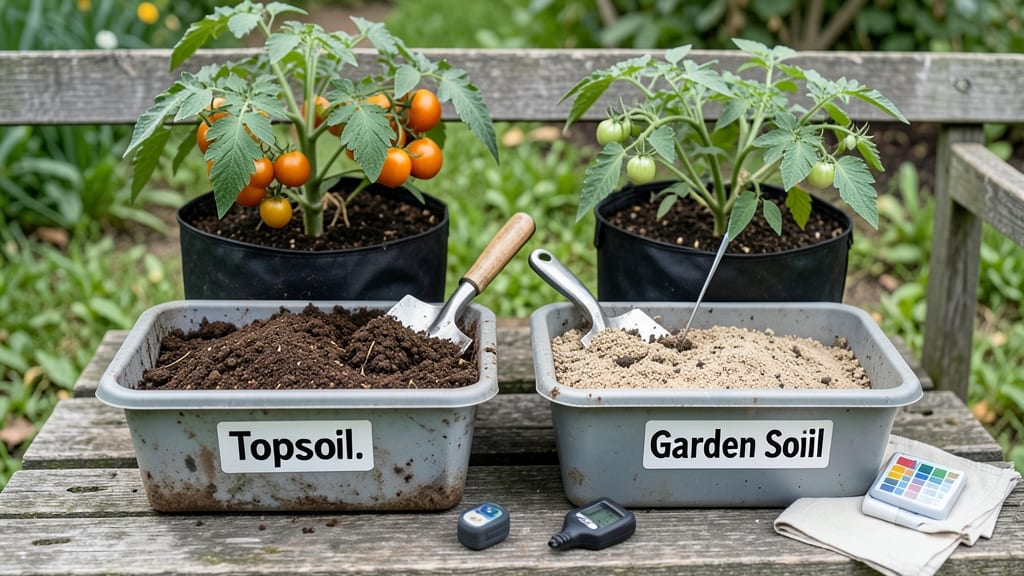
Top soil and garden soil are not the same: top soil is the fertile uppermost layer of earth, rich in organic matter and nutrients, while garden soil is a blend of top soil, compost, and other amendments tailored for planting.
Top soil is nature's own nutrient-rich layer that forms over centuries from decomposed organic material, making it ideal for foundational planting. 🌱 Meanwhile, garden soil is a custom mix designed for specific plants—think vegetables or flowers—where you might add perlite for drainage or worm castings for extra nutrients.
The key difference lies in their purpose: top soil builds healthy landscapes, while garden soil optimizes growth for particular crops.
For example, top soil works best when leveling uneven ground or establishing new lawns, while garden soil excels in raised beds or containers where precise nutrient balance matters. Understanding this distinction helps you choose the right soil for your project without wasting resources.
💡 In This Article
- Composition and Nutrient Differences Between Top Soil and Garden Soil
- Best Uses for Top Soil vs Garden Soil in Gardening
Composition and nutrient differences between top soil and garden soil
Top soil naturally forms over centuries as organic matter like leaves, twigs, and dead plants decompose, creating a rich layer packed with essential nutrients. This layer typically contains 5-10% organic matter and supports a thriving ecosystem of microbes, fungi, and earthworms that break down materials into plant-available nutrients.
The texture is often loamy—meaning it balances sand, silt, and clay—providing excellent drainage while retaining moisture, much like the soil in a thriving forest floor.
Garden soil, on the other hand, is a human-engineered blend designed for optimal plant growth. It usually combines 30-50% compost or other organic amendments with top soil, sand, and perlite to improve aeration and drainage.
For instance, a typical vegetable garden mix might include 60% top soil, 30% compost, and 10% perlite, creating a nutrient-dense environment with a pH between 6.0 and 7.0—ideal for most vegetables.
The higher organic content in garden soil also boosts microbial activity, accelerating nutrient cycling and root development compared to natural top soil.
One key difference lies in their nutrient profiles: top soil provides a steady supply of minerals like nitrogen, phosphorus, and potassium, but in lower concentrations.
Garden soil, however, is often enriched with additional fertilizers or slow-release nutrients to meet specific plant needs, such as tomatoes requiring extra potassium or leafy greens needing more nitrogen. This tailored approach ensures faster and healthier growth, especially in containers or raised beds where resources are limited.
The drainage properties also vary significantly. Top soil’s natural structure allows water to percolate at a moderate rate, preventing waterlogging while retaining enough moisture for deep-rooted plants.
Garden soil, however, is often amended with sand or perlite to improve drainage further, making it ideal for plants like succulents or herbs that prefer drier conditions. This adjustment prevents root rot, a common issue in heavy, unamended top soil.
Consider the microbial life: top soil hosts a diverse community of beneficial organisms, but garden soil’s higher organic content can support even more activity. For example, a single teaspoon of garden soil might contain 1 billion bacteria, compared to 100 million in top soil.
These microbes break down organic matter into forms plants can absorb, like nitrates and phosphates, creating a dynamic, living ecosystem that outpaces natural soil in nutrient availability.
Finally, the cost and availability differ: top soil is often sourced locally and sold by the cubic yard, making it more affordable for large projects like lawns or landscaping. Garden soil, however, is typically sold in smaller bags or custom-mixed, reflecting its higher nutrient density and tailored composition.
This difference in pricing and purpose helps gardeners make informed choices based on their project’s scale and goals.