
Light Requirements
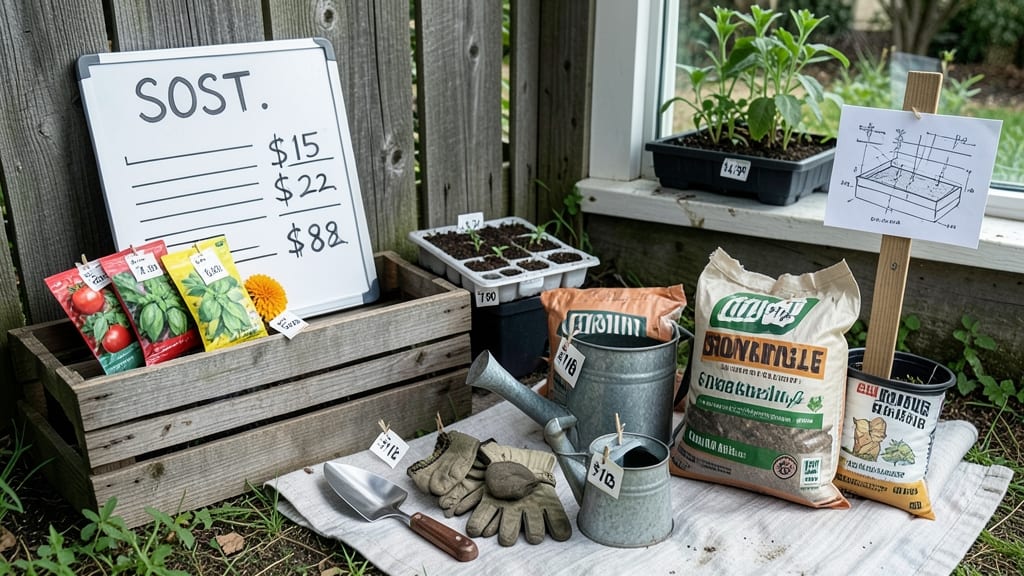
Starting a garden costs between $50 and $500+, depending on size, soil quality, and whether you buy seeds or seedlings. A small 4x4-foot raised bed ranges from $50–$150, while a full backyard garden (10x20 feet) can exceed $500 when factoring tools, soil amendments, and plants.
Your garden's initial investment depends heavily on whether you're planting a modest container garden or a sprawling backyard project. 🌱 For example, a 4x4-foot raised bed can be as simple as $50 if you use free compost from local sources and buy basic tools secondhand.
On the higher end, a full backyard garden might require $500+ for premium soil, irrigation systems, and high-quality plants. I've seen costs balloon quickly when people opt for organic-certified soil or automated watering setups—both great for yield but not always necessary for beginners.
What's often overlooked is the hidden costs like mulch, fertilizers, and unexpected repairs (like fixing a broken hose). Starting small lets you test what works before scaling up—my first garden cost me just $30, but I learned valuable lessons about soil prep that saved me hundreds later.
The key is prioritizing what matters most to you: whether that's organic produce, aesthetic appeal, or low-maintenance plants.
💡 In This Article
- Key Cost Factors in Starting a Garden
- Budget-Friendly Garden Startup Strategies
Key cost factors in starting a garden
The foundation of any garden budget lies in soil preparation, which can account for 30-50% of total startup costs.
In-ground gardens often require less initial investment since you're working with existing soil, though you'll likely need to amend it with compost ($20-$50 per cubic yard) or organic matter like leaf mold.
Raised beds, however, demand new soil mixes ($3-$10 per cubic foot)—a 4x4-foot bed (about 1 cubic yard) can cost $100-$300 for quality topsoil and compost blends.
The texture difference is striking: amended in-ground soil feels loamy and crumbly, while fresh raised bed mixes have that rich, almost spongy consistency right out of the bag.
Plant materials represent another major variable. Seed packets cost $1-$3 each and yield 50-100 plants, while seedlings run $2-$8 per plant. For example, a packet of tomato seeds might grow 20 plants for $2, while buying 20 seedlings would cost $40-$80. The trade-off?
Seedlings give you a 6-8 week head start on growth. Tools also vary widely—basic hand tools (trowel, pruners, gloves) cost $20-$50, while power tools or irrigation systems can push budgets to $100+.
I've seen gardeners spend $150 on a drip irrigation kit that would've been $30 for a simple hose setup.
Location-specific factors add another layer. Urban gardeners often pay premium prices for container gardening supplies ($10-$30 per pot) due to limited space, while rural areas might offer free wood scraps for DIY raised beds.
Climate also affects costs—desert regions require $50-$150 in extra mulch and water retention products, while temperate zones might get by with $10-$20 of straw mulch. The most surprising cost I've seen? Permits for large-scale gardens in some cities can run $50-$200, adding bureaucracy to the budget planning.
Unexpected expenses frequently appear too. A broken hose faucet might cost $15-$30 to fix, while pest control measures (like row covers) can add $20-$50 to initial costs. The best budgeters I know always allocate 10-15% of their total estimate for these surprises.
For instance, a $200 garden budget should include $20-$30 for miscellaneous items. The peace of mind from having this buffer makes the initial planning much smoother.
Consider this comparison: A 10x10-foot in-ground garden might cost $100-$200 primarily for soil amendments and basic tools, while the same area in raised beds could run $300-$600 due to the volume of soil required.
The visual difference is dramatic—raised beds create clean, defined planting areas, while in-ground gardens blend more naturally into the landscape. Both approaches have merit, but the cost difference is significant and worth weighing against your gardening goals.
What most people don't realize is how much cheaper gardening gets over time. That initial $500 investment might seem steep, but after your first year, you'll have saved seeds, composted materials, and possibly even built your own structures.
The long-term savings on grocery bills for fresh produce make the upfront costs feel more manageable. 🌱