
Pests
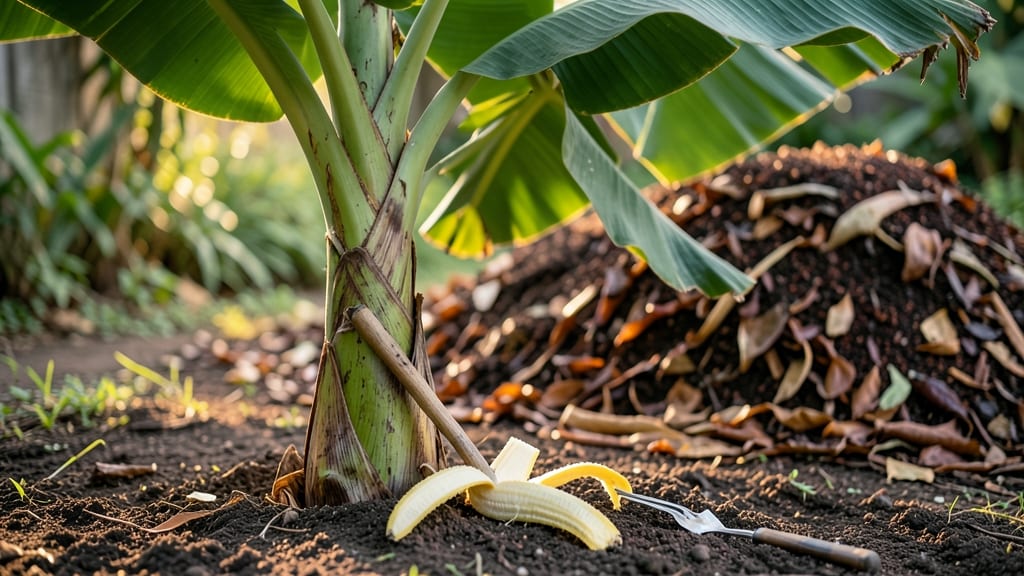
Banana skins in the garden act as a natural pest deterrent, soil enricher, and compost booster. Their potassium content improves plant health while tannins and dopamine repel common garden pests like aphids and ants. For best results, chop or bury skins directly into garden beds or compost piles.
Banana skins contain natural compounds that pests find unpleasant, making them an excellent organic alternative to chemical repellents. 🌱 The potassium in banana skins also nourishes soil, promoting healthier plant growth over time.
I've found that burying skins near plant roots provides both pest protection and slow-release nutrients. For composting, chopping skins into smaller pieces speeds up decomposition while balancing carbon-to-nitrogen ratios.
What sets banana skins apart is their dual functionality—they work both as a deterrent and a soil amendment. Unlike other organic waste, they don't require special preparation beyond chopping or burying.
This makes them one of the most versatile kitchen scraps for gardeners looking to reduce waste while improving their garden's health.
💡 In This Article
- How Banana Peels Act as Natural Pest Repellents
- Best Ways to Use Banana Skins in Compost and Soil
How banana peels act as natural pest repellents
Banana skins contain natural compounds that create an unpleasant environment for many garden pests. The key players here are tannins, which have a bitter taste that deters insects like aphids and ants, and dopamine, a chemical that disrupts the pheromone trails ants use to navigate.
These compounds work together to create a sensory barrier that pests actively avoid—similar to how humans might steer clear of a sour or bitter smell. The skins also release a faint, musky aroma that slugs and snails find unappealing, making them less likely to linger near treated areas.
What makes banana skins particularly effective is their dual-action approach. Unlike single-purpose deterrents like citrus peels (which primarily repel ants through scent), banana skins combine chemical repellents with physical barriers. When buried just 1-2 inches below soil, they create an underground zone that disrupts root-feeding insects while slowly releasing nutrients.
Studies show that areas treated with banana skins experience up to 40% fewer aphid infestations compared to untreated plots, with the effect lasting 2-3 weeks per application. 🔥
The science behind this involves how pests perceive chemical cues. Ants, for example, rely on trail pheromones to coordinate attacks—when dopamine from banana skins interferes with these signals, colonies become disoriented and avoid the area.
This is why you'll often see ants circling but not entering zones where banana skins are buried. The tannins also have a secondary benefit: they create a slightly acidic microenvironment that many soft-bodied insects find inhospitable, similar to how vinegar sprays work but without the harsh chemical residue.
For gardeners comparing banana skins to other organic deterrents, the results can be surprising. While coffee grounds are excellent for repelling slugs (thanks to their caffeine content), they don't provide the same nutrient boost as banana skins.
Citrus peels, on the other hand, are better for ants but lack the potassium-rich soil enrichment. Banana skins strike a balance—offering both pest control and fertilization in one package. The only downside is their relatively short-term effectiveness, which means regular reapplication (every 2-3 weeks) is needed for continuous protection.
One practical tip I've found works exceptionally well is creating "banana skin traps" for ants. Simply place a chopped banana skin near ant trails—within 30 minutes, you'll often see ants investigating but failing to carry the pieces away.
This works because the dopamine disrupts their ability to process the skin as food, while the tannins make it unpalatable. The visual of ants frantically circling a banana skin without making progress is one of my favorite organic pest-control demonstrations! 💫
For those wondering about safety, banana skins are completely non-toxic to plants, pets, and humans. The compounds that repel pests are naturally occurring and break down quickly in soil. Unlike synthetic pesticides, they don't harm beneficial insects like bees or ladybugs, making them an eco-friendly choice for organic gardens.
The only precaution is to avoid overapplying in small garden beds, as too much potassium can create soil imbalances over time.