
Advice
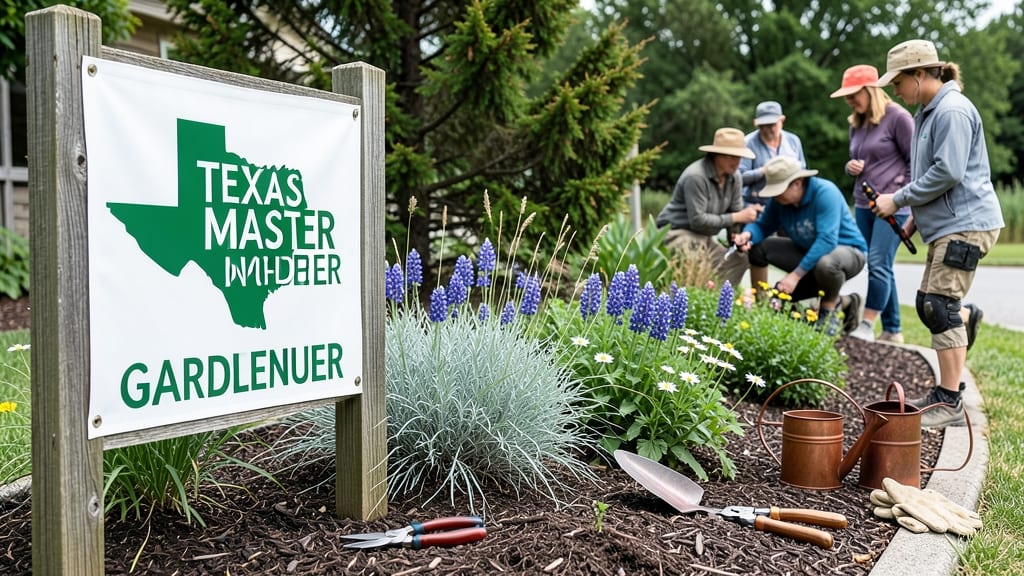
The Texas Master Gardener Program trains volunteers in horticulture to support local communities, requiring applicants to complete 40 hours of classroom training and 40 hours of volunteer service. Costs vary by county, with fees typically covering training materials and certification. Applications open annually through Texas A&M AgriLife Extension offices.
The Texas Master Gardener Program is more than just gardening education—it's a hands-on commitment to your community. 🌱 Once you complete the training, you'll dive into topics like plant diseases, sustainable gardening, and even pest management, all taught by Texas A&M experts.
What sets this program apart is how it bridges classroom knowledge with real-world impact, whether you're helping urban gardens or teaching kids about pollinators.
Here's the kicker: while the core curriculum is standardized, each county tailors the volunteer portion to local needs. 💫 Need proof it works? Texas Master Gardeners have collectively contributed over $1 billion in volunteer service since 1972, proving this isn't just about growing plants—it's about growing communities too.
💡 In This Article
- Texas Master Gardener Training Curriculum and Requirements
- How to Apply for the Texas Master Gardener Program
Texas Master Gardener training curriculum and requirements
The program's 40-hour classroom training is designed as an intensive crash course in horticultural science, covering everything from plant anatomy to pest management.
You'll dive into 12 core modules taught by Texas A&M AgriLife Extension specialists, including soil science (where you'll learn to analyze pH levels and nutrient deficiencies), botany (focusing on Texas native plants), and entomology (identifying beneficial insects vs. pests).
The curriculum even includes hands-on labs where you'll dissect plant samples to spot diseases like fungal infections or identify insect damage patterns under microscopes.
What makes this training stand out is its practical application focus. For example, the plant pathology module doesn't just teach you about diseases—it walks you through diagnosing problems in real plants brought in by local gardeners.
You'll learn to recognize symptoms like powdery mildew (white fungal growth) or blight (brown, wilting leaves) and recommend organic treatments. The sustainable gardening section covers water conservation techniques specific to Texas' drought-prone regions, where you'll calculate irrigation needs using evapotranspiration rates for different plant types.
The training typically runs over 6-8 weeks, with sessions held weekly on weekday evenings or weekend mornings, depending on your county's schedule.
Some programs offer hybrid options with online modules for theory and in-person labs for hands-on work. 🌱 What's unique is that each county can add 2-4 local modules—so if you're in Houston, you might study urban gardening challenges, while West Texas programs focus on desert landscaping.
This local tailoring ensures you're prepared to tackle the specific gardening issues in your community.
Before you even begin training, you'll need to pass a background check and meet basic prerequisites like being at least 18 years old and able to commit to the 40-hour volunteer service requirement. Some counties also require a $100-$200 application fee, though scholarships are available.
The training itself is rigorous—expect to spend 3-5 hours weekly on coursework, including reading scientific papers and completing case studies. The payoff? You'll earn a Texas Master Gardener certification recognized statewide, plus access to ongoing education through the Texas A&M AgriLife Extension network.
Here's what most people don't realize about the training: it's not just about memorizing facts—it's about developing critical thinking skills for real-world gardening. For instance, in the pest management module, you'll learn the integrated pest management (IPM) approach, which prioritizes prevention and non-toxic solutions over chemical sprays.
You'll practice calculating economic injury levels (the point where pest damage justifies treatment) using spreadsheets provided in class. This analytical approach prepares you to make data-driven decisions when advising home gardeners.
Consider these key factors when preparing for the training:
- Time commitment: The 40-hour classroom requirement is just the beginning—you'll need to budget additional hours for homework, labs, and exams
- Physical demands: Hands-on labs may involve working with soil, plants, and small tools—dress comfortably and be ready for occasional outdoor work
- Technical skills: You'll use software like PlantVillage (for disease diagnosis) and Texas A&M's SoilWeb (for soil analysis), so basic computer literacy helps
- Networking: The program connects you with 100+ other trainees in your county, creating a support system for your volunteer work
The training concludes with a final exam covering all modules, plus a practical demonstration where you'll diagnose a plant problem and recommend solutions. Passing this exam earns you your certification—and opens doors to specialized training in areas like community gardening, school gardens, or urban agriculture.
Many graduates say the most valuable part isn't the certification itself, but the confidence to advise others with scientific backing. 💫