
Fertilization
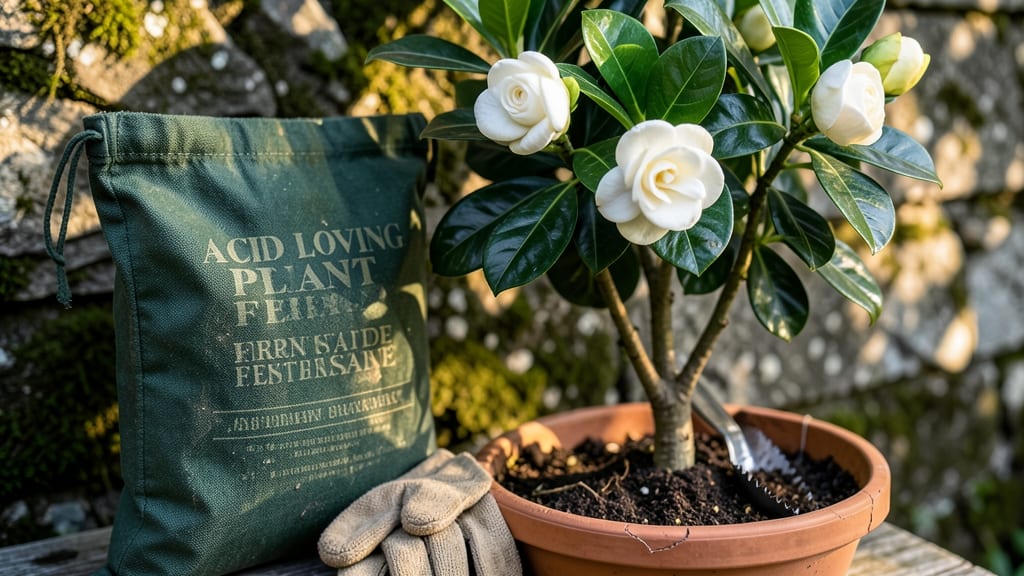
Using an acid-based fertilizer for gardenias is the key to unlocking those fragrant, glossy blooms 🌸 that make your garden the envy of the neighborhood.
But here’s the catch: most gardeners overlook the pH balance, and that’s why your gardenias might be throwing yellow leaves or refusing to flower. The right acid fertilizer doesn’t just feed the plant—it mimics the natural acidic soil these tropical beauties crave.
In this guide, you’ll discover the best acid fertilizers for gardenias, how to apply them without burning roots, and the simple signs that tell you whether you’re overdoing it or falling short.
By the end, you’ll have a feeding schedule that keeps your gardenias blooming year-round, even in cooler climates where they’re grown indoors.
How to choose the best acid-based fertilizer for gardenias (pH-tested options)
Gardenias are diva plants when it comes to soil—they demand acidity (pH 4.5–5.5) to thrive. Without the right acid-based fertilizer, you’ll see yellow leaves (chlorosis) or fewer blooms.
The key is choosing a fertilizer that lowers pH naturally while providing essential nutrients like iron and magnesium. Let’s break down your options.
First, understand the two main types of acid fertilizers: organic (slow-release, soil-building) and synthetic (fast-acting, precise pH control). Organic options like peat moss or pine bark gradually acidify soil, while synthetic fertilizers (e.g., sulfur-coated urea) deliver quick results.
Both have pros—organic improves soil structure, while synthetic gives instant pH correction.
Now, let’s decode fertilizer labels. Look for these key ingredients that lower pH:
- Elemental sulfur (converts to sulfuric acid in soil)
- Iron sulfate (acidifies + adds iron, critical for gardenias)
- Peat moss or pine fines (organic matter that acidifies over time)
- Aluminum sulfate (fast-acting but can over-acidify—use sparingly)
Here’s how to read labels for pH impact:
- Check the NPK ratio (e.g., 8-4-8)—gardenias prefer balanced or phosphorus-heavy formulas to encourage blooms.
- Look for “acid-loving plants” or “azalea/camellia” on the label (these are formulated for pH 4.5–5.5).
- Note the application rate. Too much sulfur or aluminum can burn roots or make soil too acidic (pH <4.5).
For new gardenias, start with a mild acid fertilizer like Down to Earth Acid Mix to avoid shocking roots.
If your soil is already too acidic (pH <4.5), switch to a balanced organic fertilizer (e.g., Espoma) and mix in lime-free compost to stabilize pH. Always water thoroughly after applying to prevent root burn.
Pro tip: Test your soil every 6 months with a digital pH meter or home test kit. Gardenias in pH 5.0–5.5 produce the most fragrant blooms.
If you see yellow leaves with green veins, it’s a classic sign of iron deficiency—time to add an iron sulfate supplement.
Remember, organic fertilizers take 4–6 weeks to adjust pH, while synthetic options work in 2–4 weeks. Match your
Step-by-step feeding schedule: when and how to apply acid fertilizer for maximum blooms
Timing your acid fertilizer applications is everything for gardenias. These acid-loving plants need a seasonal feeding schedule to avoid nutrient burn while maximizing bloom production.
Start with a spring flush when new growth appears, then maintain with light summer feedings—never fertilize in fall or winter when growth slows.
Your first step is testing soil pH levels (aim for 4.5–5.5). If your soil is too alkaline, apply elemental sulfur (1/4 cup per plant) 2–3 months before feeding. Always water thoroughly after application to prevent root damage—this is where most gardeners go wrong!
- Spring (March–May): Apply acid-based fertilizer (8-4-8 NPK) every 4–6 weeks when buds form. Use 1 tbsp per plant mixed into 1 gallon of water.
- Summer (June–August): Switch to foliar feeding (diluted to 1/4 strength) every 6 weeks to avoid root burn in heat.
- Fall (September–November): Skip fertilization—let plants rest. Focus on mulching with pine bark to maintain acidity.
- Winter (December–February): Never fertilize—gardenias are dormant. Indoor plants may need light feeding only if blooming.
- Critical Tip: Always water deeply before and after applying acid fertilizer to prevent root damage.
For soil applications, work the granular acid fertilizer into the top 2 inches of soil around the plant’s drip line. This method ensures slow-release nutrition, but never exceed the recommended dose—over-fertilizing causes leaf yellowing and bloom failure.
I’ve seen gardeners double the dose, only to watch their gardenias drop buds mid-season.
In summer’s peak heat, shift to foliar sprays for a gentler approach. Mix 1/4 tsp of acid fertilizer per 1 gallon of water and spray leaves early in the morning.
This method mimics natural acid rain and helps prevent chlorosis (yellowing between leaf veins). Always test a few leaves first to check for sensitivity.
Watch for signs of stress: Brown leaf tips mean over-fertilization, while pale new growth signals nutrient deficiency. Adjust your schedule accordingly—gardenias communicate their needs through their foliage! If you see stunted growth, flush the soil with pure water to remove excess salts.
Pro tip: Keep a fertilizer log to track when you feed and how your gardenias respond. I’ve found that consistency is key—skipping a feeding can disrupt the bloom cycle, but so can overdoing it.
Aim for balance, and your gardenias will reward you with fragrant blooms from spring to fall! 🌸