
Container Gardens
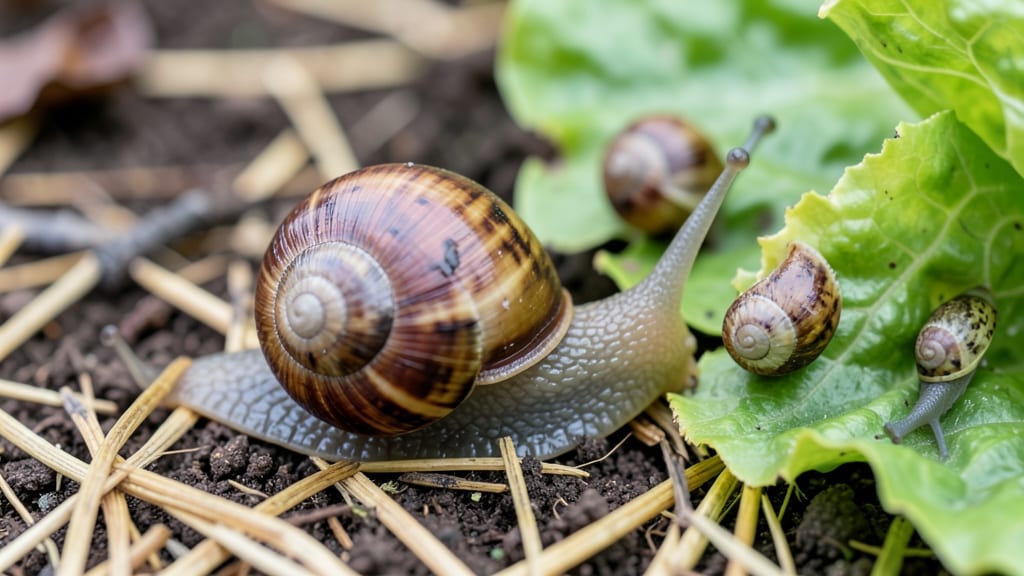
Snails are beneficial to gardens because they break down organic debris, enrich soil with calcium-rich mucus, and help control pests like aphids while improving soil structure and microbial balance.
These tiny creatures act like natural soil engineers, munching through decaying leaves and plant matter to create nutrient-rich compost.
Their calcium-rich slime trails also help strengthen plant roots and attract beneficial microbes. 🌱 While they may nibble on young seedlings, their overall contribution to soil health often outweighs any minor crop damage, especially in organic gardening systems where chemical pest control is avoided.
What's interesting is how their activity creates a self-sustaining ecosystem. By breaking down organic material, snails help prevent soil compaction while their calcium deposits create ideal conditions for earthworms and beneficial fungi.
Many gardeners intentionally create snail habitats using shallow dishes of water or leaf litter to encourage their presence—just be mindful of balancing their numbers to protect tender plants.
💡 In This Article
- How Snails Naturally Enhance Soil Health
- Balancing Snail Populations for Optimal Garden Benefits
How snails naturally enhance soil health
Snails act as tiny soil engineers by consuming decaying plant matter, which they break down through their specialized radula—a toothed ribbon that grinds organic debris into finer particles. This process accelerates decomposition, transforming tough materials like fallen leaves and stems into nutrient-rich humus that enriches the soil.
Their feeding activity also creates small tunnels and pathways, improving soil aeration by allowing air and water to penetrate deeper—similar to how earthworms work but on a smaller scale.
Their calcium-rich mucus trails serve as a natural fertilizer. When snails move across soil, they leave behind a slimy residue containing calcium carbonate, which helps neutralize acidic soil and strengthens plant cell walls.
Studies show that areas with active snail populations often have soil with 10-15% higher calcium content compared to snail-free zones. This calcium boost particularly benefits calcium-loving plants like tomatoes and peppers, which may show improved fruit development and disease resistance.
Beyond physical soil improvement, snails contribute to microbial diversity. Their feeding disrupts compacted soil layers, creating microhabitats where beneficial bacteria and fungi can thrive.
The calcium in their mucus also acts as a food source for these microbes, creating a feedback loop where healthier soil microbes further break down organic matter. This is why organic gardeners often observe improved seed germination and root growth in areas with moderate snail activity.
One fascinating mechanism is their role in seed dispersal. Snails often consume fallen seeds, but not all get digested—they may excrete them later in different locations, acting as natural seed planters. This process can introduce plant diversity to garden areas where seeds might otherwise struggle to establish.
However, their seed-eating habits mean they should be managed carefully around newly planted seeds or seedlings.
Consider this comparison: A single snail can process about 0.1-0.2 grams of organic matter per day, which might seem small, but in a garden with hundreds of snails, their collective impact becomes significant.
Their activity helps prevent thatch buildup (a layer of dead plant material that suffocates soil) while maintaining a balanced ecosystem that reduces the need for synthetic fertilizers or soil amendments.
For gardeners using organic practices, snails offer a free, natural way to maintain soil fertility without chemical inputs. Their presence often correlates with healthier soil ecosystems that support a wider range of plant and microbial life—making them an unexpected ally in sustainable gardening.