
Planting
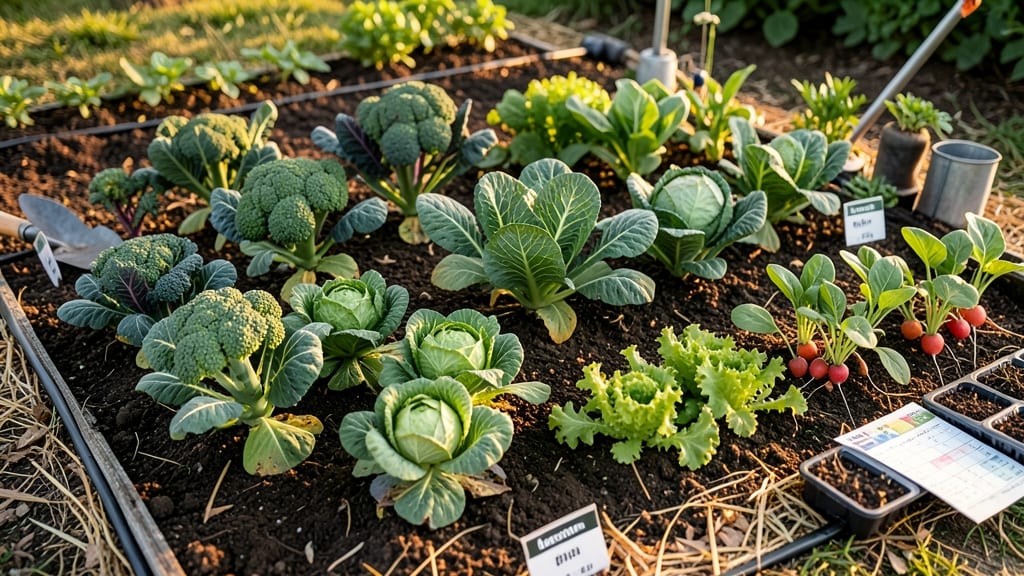
Planting a fall garden in South Texas means timing your crops to beat the first frost while avoiding the brutal summer heat—think late August through mid-October for the sweet spot.
South Texas gardeners know the struggle—scorching summers and unpredictable rains—but fall gardening offers a golden opportunity to grow thriving crops without freezing temperatures. Timing is everything, and missing the window by even a week can mean stunted plants or total failure.
This guide breaks down the exact planting deadlines by region (Corpus Christi, San Antonio, and Brownsville), the heat-tolerant crops that thrive in late summer, and how to prep your soil for maximum success.
You’ll learn which fast-growing greens and root vegetables to prioritize, how to adjust watering for clay-heavy soils, and a simple checklist to avoid common mistakes that kill yields.
South Texas fall planting deadlines: exact dates for zero-frost risk crops
Timing your fall garden in South Texas means beating the first frost while avoiding summer's brutal heat. The USDA Zone 8b/9a regions—like Corpus Christi, San Antonio, and Brownsville—have 150-200 frost-free days, but exact deadlines vary by elevation and microclimates.
Miss the window, and your kale or sweet potatoes could bolt or freeze.
For heat-tolerant crops like okra and black-eyed peas, the ideal planting window starts as early as mid-August in Brownsville (Zone 9a) but pushes to late August in San Antonio (Zone 8b).
Cool-season crops like carrots and collards need to be in the ground by mid-September to mature before the average first frost (November 15–December 15).
Here’s your region-specific planting timeline to maximize yields without frost risk:
| Region | Heat-Tolerant Crops (Plant by) | Cool-Season Crops (Plant by) | First Frost Date | Key Adjustment |
|---|---|---|---|---|
| Brownsville (Zone 9a) | Mid-August (Okra, Sweet Potatoes, Black-Eyed Peas) | Late August (Kale, Collards, Carrots) | December 1–15 | Longer growing season; plant 2 weeks earlier than San Antonio |
| Corpus Christi (Zone 8b) | Late August (Okra, Peppers, Southern Peas) | Early September (Spinach, Lettuce, Radishes) | November 20–December 5 | Coastal breezes delay frost; prioritize fast-maturing varieties |
| San Antonio (Zone 8b) | Late August (Okra, Sweet Potatoes, Cowpeas) | Mid-September (Broccoli, Cabbage, Turnips) | November 15–December 10 | Higher elevation = earlier frost; use row covers for late plants |
| ALL REGIONS: Soil temp must be 70°F+ for seeds to germinate. Test with a soil thermometer! | ||||
Why these deadlines? Okra and sweet potatoes need 90–120 days to mature, while kale and collards tolerate light frosts but won’t survive prolonged cold. Planting okra after September 1 risks stunted growth due to shortening days and cooler soil temps.
For Corpus Christi’s coastal climate, extend your window by 1–2 weeks thanks to moderating ocean breezes. However, avoid planting lettuce or spinach after September 15—they’ll bolt faster in the heat. Use shade cloth to protect seedlings from late-summer sunburn.
In San Antonio’s inland heat, focus on fast-maturing varieties like ‘Black Magic’ okra (50 days) or ‘Southern Exposure’ collards (45 days). Mulch with straw or wood chips to retain soil moisture and cool roots as temperatures drop.
Pro tip: Use transplants for cool-season crops instead of seeds. Seedlings like kale and broccoli establish faster, giving them a head start before frost. Buy 6–8 week old plants from local nurseries to meet your mid-September deadline.
Monitor local frost alerts via the National Weather Service or Texas A&M AgriLife Extension. In Brownsville, frost is rare before December, but San Antonio can see light frosts as early as November 15. Cover tender plants with frost blankets if temps dip below 30°F.
Missed the deadline? Don’t panic! Microgreens and green onions grow quickly (30–45 days) and can be planted as late as October 15. For extended harvests, try ‘Winterbor’ kale—it sweeten with frost and thrives in Zone 8b.
Your fall garden’s success hinges on these deadlines. Mark your calendar, prep your soil, and enjoy homegrown greens through the holidays! 🌱
Best heat-tolerant fall crops for South Texas: what grows fast before first frost
When the South Texas sun starts losing its bite in late summer, it's time to shift gears from heat-loving crops to fast-growing fall vegetables that can handle the lingering warmth.
The key is selecting varieties that thrive in 85-95°F soil temperatures while still maturing before the first frost—typically between October 15 and November 15 in most of the region.
My top strategy? Focus on leafy greens, root vegetables, and heat-tolerant brassicas that can handle the transition from summer to fall. These crops not only grow quickly but also store well for winter use, giving you a double harvest benefit.
Let's dive into the top 10 heat-tolerant fall crops that will reward you with bountiful yields before the chill sets in.
Plant: Late July–August
Depth: ½–1 inch
Spacing: 12–18 inches apart
Plant: Late July–early August
Depth: 1 inch (slips)
Spacing: 12 inches apart
Plant: Mid-August–September
Depth: 1–2 inches
Spacing: 4–6 inches apart
Plant: Late August–September
Depth: ¼ inch
Spacing: 12–18 inches apart
Plant: Late August–early September
Depth: ¼ inch
Spacing: 12–15 inches apart
Plant: Late August–September
Depth: ½ inch
Spacing: 2–3 inches apart
Plant: Late August–early September
Depth: ½ inch
Spacing: 2–4 inches apart
Plant: Late August–September
Depth: ½ inch
Spacing: 1–2 inches apart
Plant: Late August–early September
Depth: 1 inch
Spacing: 4–6 inches apart
Plant: Late