
Planting
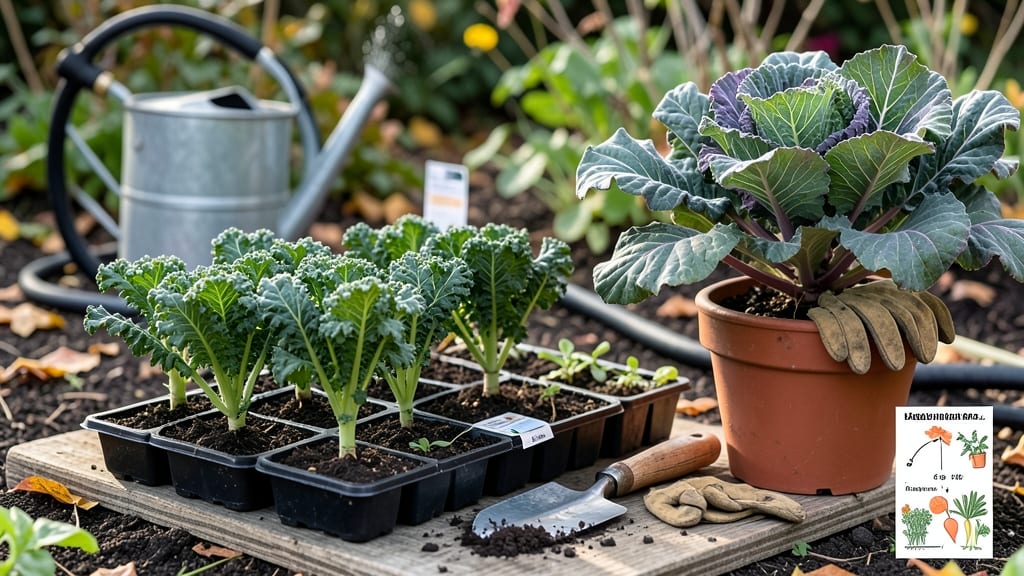
Planting a fall garden in Texas requires timing it just right — usually between mid-August and early October, depending on your region.
Texas gardeners face a unique challenge: scorching summers and unpredictable winters—but planting a fall garden can still yield a bountiful harvest if timed perfectly.
Get it wrong, and you’ll battle heat stress or early frost. Get it right, and you’ll enjoy crisp greens, sweet potatoes, and more before winter sets in.
Below, I break down the best planting windows by zone, the heat-tolerant crops that thrive, and how to adjust for Texas’s tricky transitions between summer and fall.
Optimal planting timeline for Texas fall gardens by region
Texas's diverse climate means your fall garden timing depends heavily on where you live. North Texas has cooler nights earlier, while South Texas stays warm longer—making planting windows shift dramatically across just 700 miles. Understanding these regional differences ensures your cool-season crops thrive before winter arrives.
For North Texas (USDA Zones 7b-8a), like Dallas and Fort Worth, the first frost typically hits between November 15-30. This means your fall planting window opens around mid-August to early September for heat-tolerant crops, with cooler-loving plants going in by mid-September.
South Texas (Zones 9a-10a), including Houston and San Antonio, enjoys frost-free winters, so you can plant cool-season crops as late as October or November.
Central Texas (Zones 8a-8b), covering Austin and Waco, falls between these extremes. Here, last frost dates average December 15-25, giving you a planting window from late August through October.
The key is adjusting for soil temperature: aim for 60-70°F for most fall vegetables to ensure strong root establishment before cooler weather sets in.
Here’s how to align your fall planting schedule with Texas’s three main regions:
In North Texas, start with heat-loving crops like okra and sweet potatoes in mid-August, then transition to cool-season staples such as broccoli and kale by mid-September. Use row covers if early frosts threaten, as temperatures can drop rapidly.
For Central Texas, you’ve got a bit more flexibility—plant heat-tolerant greens like malabar spinach in late August, then shift to cabbage and carrots by October.
South Texas gardeners can push boundaries further. Plant collard greens or turnips as late as November, thanks to milder winters. However, even here, soil preparation is critical.
Amend your soil with compost or aged manure in late summer to boost organic matter, which helps retain moisture during fall’s erratic rainfall. Aim for a pH between 6.0-7.0 for most cool-season vegetables.
Regardless of your region, succession planting is your secret weapon. For example, sow radishes every 2 weeks from September to November to ensure a steady harvest. Similarly, lettuce varieties like Black Seeded Simpson mature quickly (about 30-40 days), making them perfect for staggered plantings.
This approach maximizes your garden space and extends your harvest well into winter.
Don’t overlook microclimates within your area. A north-facing garden bed may stay cooler longer than a south-facing one, allowing you to plant cool-season crops slightly later. Use a soil thermometer to monitor temperatures—60°F is ideal for most fall seeds to germinate reliably.
If your soil runs cooler, consider using black plastic mulch to warm it up before planting.
Finally, keep an eye on local weather forecasts in late October. A sudden cold snap can damage young seedlings, so have row covers or cold frames ready.
In North Texas, this might mean covering crops by November 1, while South Texas may only need protection in December. With the right planting timeline and a little flexibility, your Texas fall garden can be just as productive as your spring one.
Best heat-tolerant vegetables for Texas fall planting success
When Texas heat lingers into fall, most gardeners panic—but heat-tolerant vegetables thrive in these conditions. I’ve grown these top 10 varieties in my Central Texas garden, and they’ve delivered harvests even when temps hover around 90°F.
The secret? Choosing varieties bred for late-summer heat while preparing for fall temperature drops.
Start planting okra and sweet potatoes as early as mid-August in South Texas, while North Texas gardeners should wait until early September to avoid early frost. These heat-loving crops need full sun exposure and well-draining soil to prevent root rot during sudden rain showers—a common Texas fall pattern.
Malabar spinach and black-eyed peas are my go-to leafy greens for fall, as they tolerate 95°F+ temperatures better than traditional spinach. For best results, plant seeds 1/2 inch deep in moist, warm soil and maintain consistent moisture without overwatering. I’ve found that drip irrigation works best to keep roots cool.
Don’t overlook tomatoes and peppers—heat-tolerant varieties like Celebrity tomatoes and Jalapeño peppers can handle late-summer heat when planted in well-amended soil. I always add compost and aged manure to boost fertility before transplanting seedlings.
These warm-season crops need 6-8 hours of sunlight daily, so choose south-facing beds for maximum exposure.
For extended harvests, succession plant okra every 2-3 weeks starting in August. This ensures a steady supply of pods even as temperatures drop. I’ve also had success with cowpeas, which fix nitrogen in the soil while producing edible pods.
Their drought tolerance makes them perfect for Texas’ unpredictable fall rains.
Remember to monitor soil temperatures—ideal planting conditions occur when soil is between 70-85°F. Use a soil thermometer to check before sowing seeds. With the right heat-tolerant varieties and proper timing, your Texas fall garden can outperform spring plantings! 🌱