
Planting
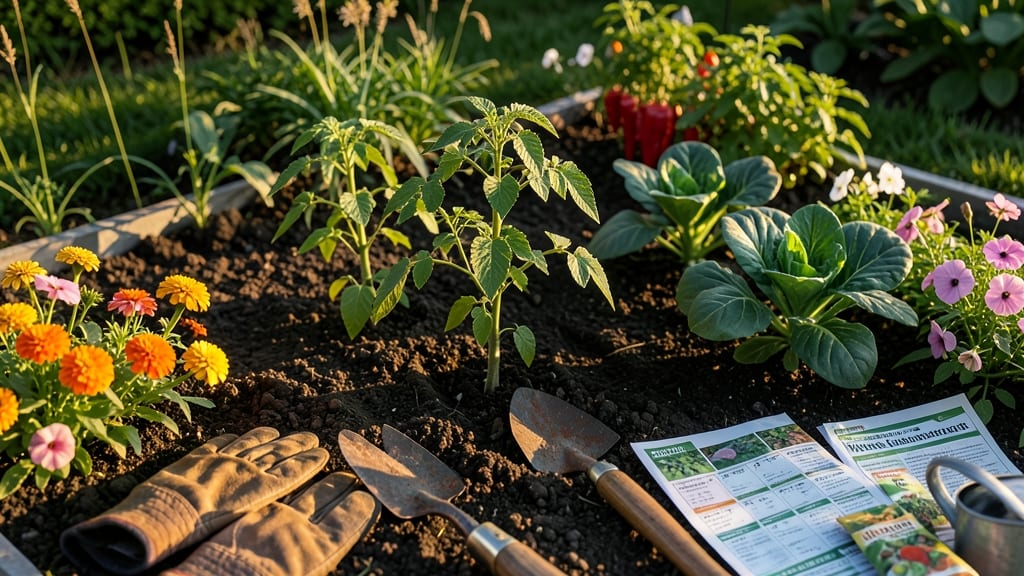
Planting a garden in South Carolina at the right time is the difference between a bountiful harvest and a sad, wilted mess 🌱 — and the clock starts ticking after your last frost, which usually hits mid-March.
South Carolina’s humid subtropical climate means your garden’s success hinges on timing—plant too early, and frost strikes; too late, and summer’s scorching heat wipes out tender crops. But with the right schedule, you can grow heat-loving tomatoes, frost-hardy greens, and everything in between—no matter which county you’re in.
Cool-season crops like broccoli and spinach thrive when planted 4-6 weeks before your last frost, while warm-season favorites such as okra and sweet potatoes wait until soil temperatures hit 60°F—usually by early April. The key? Understanding your county’s microclimate, from Charleston’s coastal breezes to Greenville’s inland heat.
Below, I break down the exact planting windows for your zone, plus heat-tolerant varieties that won’t bolt in July and soil tips to beat South Carolina’s sandy or clay-heavy ground. Ready to dig in?
South Carolina frost dates by county: critical planting windows for cool-season crops
Timing your cool-season crops correctly in South Carolina can mean the difference between a thriving garden and a frost-killed harvest. With USDA Zones 7b-8a across most counties, frost dates vary slightly—but knowing your local window lets you plant broccoli, cabbage, and spinach at the perfect moment.
Coastal areas like Charleston typically see their last frost around March 15, while upstate regions near Greenville may wait until March 25.
For gardeners in Zone 7b (e.g., Columbia, Spartanburg), start cool-season seeds indoors 6-8 weeks before your average last frost date. In Zone 8a (e.g., Charleston, Hilton Head), you can push planting slightly later.
The key? Avoid late-March cold snaps that strike even after the "average" frost date—always check your county’s 10-year frost records for extra safety.
📅 Planting windows for cool-season crops: - Broccoli: Sow seeds 4-6 weeks before last frost (Feb 15–March 1 in most counties). - Cabbage: Start indoors 8-10 weeks before (Jan 15–Feb 15). - Spinach: Direct-sow 4-6 weeks before last frost (Feb 20–March 10). - Lettuce: Plant 3-4 weeks before last frost (Feb 25–March 15) for spring harvests.
Here’s your county-by-county breakdown of last frost dates and ideal planting windows for frost-tolerant crops. Use this as your guide to avoid early-season losses and maximize your garden’s potential.
| County | Avg. Last Frost | Plant Broccoli | Plant Spinach | Plant Cabbage | Fall Window |
|---|---|---|---|---|---|
| Charleston | March 15 | Feb 15–March 1 | Feb 20–March 10 | Jan 15–Feb 15 (indoors) | Aug 15–Sept 15 |
| Greenville | March 25 | Feb 25–March 10 | March 5–March 20 | Feb 1–Feb 20 (indoors) | Aug 1–Sept 1 |
| Columbia | March 20 | Feb 20–March 5 | Feb 28–March 15 | Jan 30–Feb 10 (indoors) | Aug 10–Sept 10 |
| Spartanburg | March 25 | Feb 25–March 10 | March 5–March 20 | Feb 1–Feb 20 (indoors) | Aug 1–Sept 1 |
| Hilton Head | March 10 | Feb 1–Feb 20 | Feb 15–March 5 | Jan 1–Jan 20 (indoors) | Aug 20–Sept 20 |
| Myrtle Beach | March 12 | Feb 10–Feb 25 | Feb 18–March 8 | Jan 10–Jan 25 (indoors) | Aug 15–Sept 15 |
Notice how coastal counties like Charleston and Hilton Head have earlier frost dates than inland areas? This microclimate shift means you can plant spinach and lettuce up to 2 weeks earlier in coastal gardens.
For inland gardeners, use row covers or cold frames to extend your spring planting window by 2-3 weeks if frost threatens.
Pro tip: Monitor local weather forecasts in late February and early March. If forecasters predict a hard freeze (below 28°F), protect young seedlings with frost cloth or mulch. Even Zone 8a’s milder winters can surprise you with unexpected cold snaps—don’t skip this step!
For a fall garden, aim to plant cool-season crops 80-90 days before your first frost
Heat-tolerant crops to plant in South Carolina’s summer: best varieties and timing
South Carolina’s summer heat (often hitting 90°F+) can turn gardens into saunas, but the right crops thrive in these conditions. Okra, sweet potatoes, and Malabar spinach aren’t just survivors—they’re powerhouses that reward you with bountiful harvests.
The key? Planting at the right time and giving them the moisture and mulch they crave to beat the heat.
Most heat-tolerant crops should go in the ground after your last frost date (typically mid-March), but some, like sweet potatoes, prefer warmer soil temperatures (70°F+). Succession planting every 2-3 weeks ensures a continuous harvest until fall’s first frost.
Let’s dive into the top 10 heat-resistant varieties and their ideal planting windows to keep your garden productive all summer long.
- 🌱 Okra – Plant April–June; thrives in 90°F+ heat. Try 'Clemson Spineless' for high yields.
- 🍠 Sweet Potatoes – Start slips May–June; needs 60+ days of warm weather. 'Beauregard' is a top choice.
- 🌿 Malabar Spinach – Plant April–July; loves humidity and partial shade in peak heat.
- 🍅 Black-Eyed Peas – Sow March–April or August–September for fall harvests. 'Purple Hull' is drought-resistant.
- 🌶 Peppers (Hot & Sweet) – Transplant April–May; 'Carolina Cayenne' handles heat better than most.
- 🥬 Swiss Chard – Plant March–April or August–September; 'Bright Lights' stays crisp in heat.
- 🌻 Sunflowers – Direct-sow April–June; 'Moulin Rouge' tolerates drought once established.
- 🍆 Eggplant – Transplant May–June; 'Ichiban' matures quickly in heat.
- 🥒 Cucumbers – Plant April–May; use trellises to save space and reduce disease.
- 🌿 Roselle (Hibiscus) – Sow May–July; its leaves make heat-resistant tea and jams.
Before planting, prep your soil with 2–3 inches of compost and a 2-inch layer of mulch (straw or pine needles work best) to retain moisture and block weeds. Drip irrigation is your best friend in summer—it delivers water directly to roots without wetting foliage, reducing fungal risks like powdery mildew.
For succession planting, focus on fast-growing crops like okra and black-eyed peas. After your first harvest, clear the space, amend the soil, and replant. This keeps your garden productive until fall’s first frost (usually mid-November). Pair heat lovers with shade-tolerant herbs like basil or cilantro to maximize space.
Watch for heat stress signs like wilting leaves or blossom drop—these mean your plants need more water or shade. If temps hit 100°F+, provide temporary shade cloth (30–50% shade) for delicate varieties like eggplant or peppers.
With the right timing and care, your summer garden can be just as bountiful as your spring or fall plantings.
Pro tip: Save seeds from your best performers! Okra and peppers are easy to dry and store for next year’s garden. Happy growing—your summer harvest awaits! 🌿