
Planting
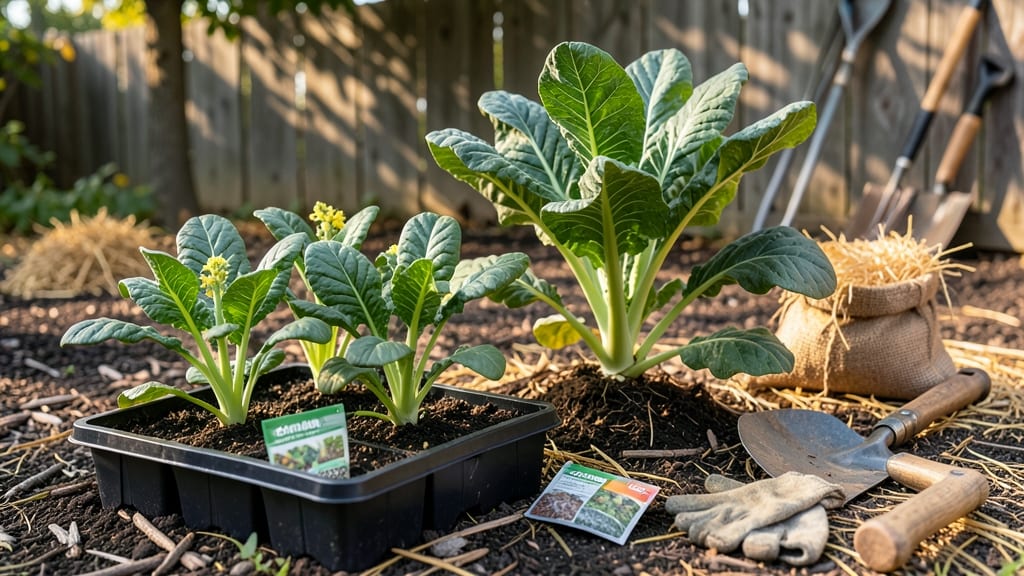
Planting a fall garden in Mississippi means starting between late July and early September to beat the first frost and maximize your harvest before winter sets in 🍂.
Mississippi’s long, hot summers can make fall gardening a challenge—but timing your plantings right means you can grow thriving crops even as temperatures drop. Knowing exactly when to sow heat-tolerant seeds ensures a bountiful harvest before the first frost hits.
In USDA Zones 7b-8a, the key is planting 6-8 weeks before your average first frost date—typically around November 15. This window lets you grow hardy crops like collards, sweet potatoes, and turnips that thrive in cooler weather.
Below, I’ll break down the best planting schedule for Mississippi’s climate, top heat-tolerant crops, and how to extend your harvest season—so you can enjoy fresh veggies all the way until frost.
Mississippi’s fall planting timeline: heat-tolerant crops by month
Mississippi’s USDA Zones 7b-8a offer a unique challenge for fall gardeners. The key to success lies in planting heat-tolerant crops early enough to establish strong roots before the average first frost on November 15.
Southern Mississippi (Zone 8a) has a slightly longer growing season than the northern part (Zone 7b), so timing adjustments are crucial for both regions.
Start by focusing on warm-season crops that can handle residual summer heat while preparing for cooler weather. These include collard greens, turnips, sweet potatoes, and kale. Planting too late risks stunted growth, while starting too early may lead to bolting or pest pressure.
The ideal planting window spans from late July to early September, with adjustments based on your specific location.
Below is a month-by-month breakdown tailored to Mississippi’s climate zones, including optimal planting dates, crop recommendations, and soil preparation tips to maximize your fall harvest. Whether you're in Jackson (Zone 7b) or Gulfport (Zone 8a), this timeline ensures your garden thrives until the first frost.
In Zone 7b, where frosts arrive slightly earlier, prioritize fast-maturing crops like turnips and radishes in late July. These can tolerate cooler temperatures and still yield a harvest before the first frost.
For sweet potatoes, start seeds indoors in early July to transplant outdoors by mid-July. They need 80-90 days to mature, so timing is critical.
Southern Mississippi’s Zone 8a offers a longer window, allowing for broccoli
Top 5 heat-tolerant fall crops for Mississippi gardens (and how to extend their season)
Mississippi’s fall garden doesn’t have to be a gamble—even with lingering summer heat. The key is choosing heat-tolerant varieties that thrive when temperatures dip but still handle the occasional 90°F day.
These top 5 crops are my go-to picks for extending your harvest well past the first frost, often into December if you play your cards right.
For example, 'Georgia Southern' collards and 'Beauregard' sweet potatoes are bred to handle Mississippi’s humid heat while still delivering sweet, tender harvests. Pair these with smart techniques like mulching and succession planting, and you’ll turn your garden into a late-season goldmine.
Plant: Late July - Early August | Harvest: October - November
Heat-loving tubers that thrive in Mississippi’s clay soil. Use black plastic mulch to warm soil and speed up growth.
Plant: Mid-August - Early September | Harvest: October - December
Bolting-resistant and heat-tolerant. Start seeds indoors in late July for a head start.
Plant: Late August - Early September | Harvest: October - November
Fast-growing and cold-hardy. Succession plant every 2 weeks for continuous harvests.
Plant: Late June - Early July | Harvest: September - November
Loves Mississippi’s heat and keeps producing pods until frost. Thin seedlings to 12 inches apart for best yields.
Plant: Early September | Harvest: November - January
Sweetens after frost! Use row covers to protect from light frosts and extend harvests.
One of my favorite tricks to extend the season is using row covers or straw mulch to insulate soil and roots. For instance, a floating row cover over collards can add 2-3 weeks of harvest time by shielding them from sudden cold snaps.
Plus, it keeps pests like cabbage worms at bay without chemicals.
Don’t forget about succession planting—sowing turnips or radishes every 2 weeks in late summer ensures you’re always harvesting fresh produce. I’ve had success with 'Cherry Belle' radishes planted in early September; they’re ready in just 30 days and handle light frosts beautifully.
For sweet potatoes, focus on soil prep first. Mississippi’s clay-heavy soil needs ample compost or aged manure to improve drainage. Plant slips (not seeds) in late July for a 120-day harvest window.
If you’re worried about vines dying back too soon, use black plastic mulch to keep roots warm.
Finally, keep an eye on your soil temperature. Most fall crops prefer soil temps between 60-75°F. If your garden bed is still baking in the sun, wait until late August to plant heat-sensitive crops like kale.
A simple soil thermometer makes this easy to track—just 1 inch deep is all you need.