
Plants
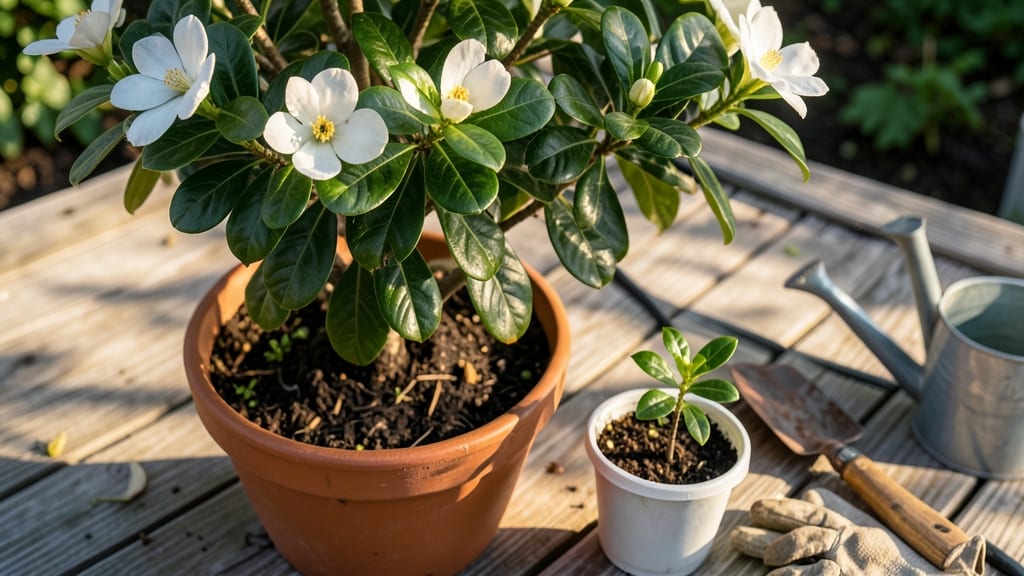
Plant gardenias in Texas during late winter to early spring (February–March) or fall (September–October) to give them the best shot at thriving in your 8a–10b climate.
Texas gardeners know the struggle—planting gardenias too early risks frost damage, while waiting too long can stunt growth. Timing is everything for these fragrant beauties to thrive year-round in the Lone Star State.
Your gardenia’s success hinges on avoiding late frosts in North Texas or the brutal summer heat in South Texas. The right window ensures strong root establishment before the worst weather hits.
Below, I break down the exact months by region, heat-resistant varieties to prioritize, and soil prep tricks to keep your 🌸 gardenias blooming like clockwork—no matter where you are in the state.
Optimal planting windows for Texas gardenias by region (avoid frost zones 7-10)
Texas gardenias (Gardenia jasminoides) thrive in USDA Zones 8a-10b, but the planting window varies dramatically across regions. In North Texas (Dallas/Fort Worth), late frosts can linger until mid-February, while South Texas (Houston/Corpus Christi) enjoys frost-free conditions by January 15.
Getting the timing right means avoiding both frost damage and summer heat stress—two key threats to these heat-sensitive shrubs.
For maximum blooms, aim to plant gardenias during their two ideal windows: late winter/early spring (after frost risk passes) or early fall (before summer heat peaks). Fall planting gives roots time to establish before winter, while spring planting ensures summer blooming potential.
However, South Texas gardeners can plant as early as August to avoid summer heat spikes, whereas North Texas should wait until March.
In North Texas, where Zone 8a frosts can linger, gardenias planted in March avoid late-season cold snaps while giving roots time to establish before 100°F+ summers. I’ve seen gardeners in Dallas struggle when they plant too early—young roots simply can’t survive a 28°F dip in March.
For container gardenias, extend the window by planting in late April to avoid heat stress.
Central Texas (Austin/San Antonio) offers a wider planting window thanks to its Zone 8b climate. Here, September is ideal because it allows roots to establish before winter, while February planting avoids the brutal summer heat. I recommend planting in partial shade (e.g., under live oak trees) to protect blooms from afternoon sun, which can scorch leaves.
For South Texas (Houston/Corpus Christi), the Zone 9-10 climate means gardenias can handle earlier planting—as soon as August. However, summer heat (often exceeding 95°F) can stress young plants.
To mitigate this, I suggest deep watering every 2-3 days and using shade cloth for the first 4-6 weeks after planting. Varieties like 'Radicans' thrive here due to their heat tolerance.
Regardless of region, soil preparation is critical. Gardenias demand acidic soil (pH 5.0-6.0) and well-draining conditions. In clay-heavy Texas soil, amend with peat moss or pine bark to improve drainage.
I’ve found that container planting works well in North Texas because it gives you control over soil moisture and temperature—critical for avoiding root rot in summer.
One common mistake I see is planting gardenias in full sun, especially in Central and South Texas. While they need 4-6 hours of sunlight, afternoon shade is a must.
In my Austin garden, I’ve lost multiple gardenias to leaf scorch because they were planted in west-facing beds. Always choose a morning-sun location with afternoon shade from trees or structures.
Finally, mulching is non-negotiable in Texas. Apply a 3-inch layer of pine straw or wood chips around the base of your gardenia to retain moisture and regulate soil temperature.
In Dallas, this helps prevent root freeze in winter, while in Houston, it keeps roots cool during summer heatwaves. I’ve seen mulched gardenias bloom 2-3 weeks earlier than unmulched ones—proof that small adjustments make a big difference!
How to time gardenia planting for maximum blooms (heat-resistant varieties only)
Texas summers demand heat-resistant gardenia varieties like 'Kleim's Hardy' or 'Radicans' to survive without wilting. These cultivars thrive when planted at the perfect window—after last frost but before 100°F+ heat waves.
The key? Fall planting (September-October) gives roots time to establish before summer's intensity, while spring planting (March-April) risks early heat stress in North Texas zones.
I’ve learned the hard way that container gardenias in Texas need extra care—they dry out faster and overheat. For in-ground planting, amend clay soil with peat moss or pine bark to improve drainage, and mulch heavily to retain moisture during 100°F+ afternoons.
The goal? Zero transplant shock in Zone 8a-10b climates.
North Texas (Dallas/Fort Worth): Wait until April 15—before consistent 90°F+ heat. Central Texas (Austin/San Antonio): Plant by March 30 to avoid April-May drought stress. South Texas (Houston/Corpus Christi): September 1-October 15 is ideal—no frost risk and cooler evenings aid root growth.
Pro Tip: Use shade cloth (30-50%) for the first 4-6 weeks after transplanting to protect from Texas sunburn.
Start by selecting heat-tolerant rootstock from local nurseries—avoid tropical varieties like 'Mystery' that wilt in 95°F+ temps. Dig a hole twice as wide as the root ball and amend the soil with sulfur or pine fines to lower pH to 5.0-6.0.
Water deeply before planting to reduce air pockets in the soil.
After transplanting, prune 1/3 of the foliage to reduce stress and encourage new growth. Stake young plants in wind-prone areas (common in Central Texas), and apply 2 inches of mulch to lock in moisture.
For container gardenias, use terracotta pots (they breathe better than plastic) and elevate them to prevent root rot in Texas humidity.
Monitor for heat stress signs like yellowing leaves or dropped buds—these mean your gardenia needs more shade or even watering. In South Texas, afternoon shade is non-negotiable; use fast-growing vines like crossvine for natural shade.
By following these steps, your heat-resistant gardenias will bloom year-round with zero frost risk.
Remember, patience is key—gardenias planted in fall may not bloom until next summer, but the root system will be deep and resilient. Stick to this Texas-proven timeline, and you’ll enjoy fragrant blooms from June through October without wilting.