
Planting
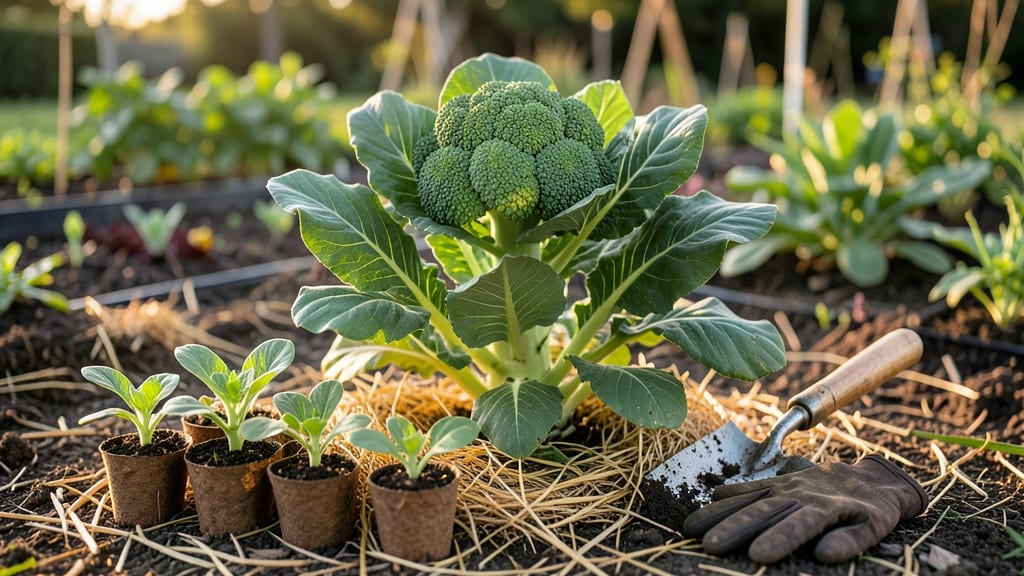
To plant a fall garden in North Texas, start between late July and mid-September—six to eight weeks before your first frost—so your 🍂 cool-season crops have time to mature before winter.
North Texas gardeners know summer heat can turn your green thumb into a scorched mess—but timing your fall garden just right means lush harvests before winter sets in. Miss these exact deadlines, and your cool-season crops will struggle or fail entirely.
The key is reading your local frost dates (around November 15 in most of the region) and choosing heat-tolerant varieties that bridge the gap between summer and fall. Whether you’re sowing kale in August or broccoli in September, the right timing makes all the difference.
Below, I’ll break down the exact planting windows for your zone, the best crops for North Texas’ 7b-8a climate, and how to extend your harvest season—so you’re still picking fresh greens long after your neighbors’ gardens have gone dormant.
North Texas fall planting deadlines by crop type (heat-tolerant & cool-season)
North Texas gardeners face a tight window between scorching summer and early frosts—getting your fall garden in the ground at the right time means the difference between a bountiful harvest and wilted disappointment.
The key is understanding heat-tolerant crops that can handle late summer heat and cool-season plants that need to establish before temperatures drop. With USDA Zone 8a/b conditions in Dallas/Fort Worth, timing is everything.
First, note that North Texas typically experiences its first frost around November 15, but this can vary by 5-7 days depending on microclimates. For most cool-season crops, you’ll want 60-70 days to maturity before frost hits.
This means starting late July to mid-September, with some heat-tolerant varieties having even earlier deadlines. Let’s break it down by crop type so you can plan with precision.
📌 Critical Deadlines:
| Crop Type | Planting Window | Days to Maturity | Notes for North Texas |
|---|---|---|---|
| Heat-Tolerant Crops | Early August | 45-60 days | Start these in late July for harvests before heat peaks. Examples: Okra, Southern Peas, Swiss Chard. |
| Cool-Season Vegetables | Mid-August to Early September | 50-70 days | Plant 6-8 weeks before first frost. Ideal for: Lettuce, Kale, Broccoli, Carrots, Spinach. |
| Herbs & Greens | Late August to Mid-September | 30-50 days | Fast growers like cilantro, arugula, and parsley can handle cooler temps and bolt slower. |
| Root Vegetables | Early September | 60-90 days | Carrots, beets, and turnips need consistent soil moisture to avoid woody textures. |
| Flowers | Late August to Early October | 45-60 days | Pansies, snapdragons, and calendula thrive in cool weather and add color to fall gardens. |
For heat-tolerant crops, the window is narrow—start okra and southern peas by early August to avoid the worst of summer’s heat. These plants can handle 90°F+ temperatures and even improve flavor with warmth. If you miss this deadline, consider shade cloth to protect seedlings until soil cools.
Cool-season crops like broccoli and cabbage need to be in the ground by mid-September to mature before frost. These plants prefer 50-65°F soil temperatures, so avoid planting too early when soil is still warm. Use a soil thermometer to check—ideal temps are 60-70°F for germination.
Herbs like cilantro and dill are trickier in North Texas—they bolt quickly in heat but also struggle with short days in fall. For best results, sow cilantro in late August and dill in early September.
If you want a second crop, try slow-bolting varieties like ‘Calypso’ cilantro or ‘Bouquet’ dill.
Don’t overlook succession planting for fast growers like lettuce and radishes. Sow every 2-3 weeks from August through September to ensure a steady harvest. Radishes mature in just 25-30 days, making them perfect for late-season plantings.
Finally, flowers like pansies can handle light frosts and even brief freezes, making them ideal for extending your garden’s beauty into winter. Plant pansies and calendula by late September for a pop of color when other plants fade.
Pro tip: Use row covers to push your planting window 2-3 weeks later if an early frost threatens. This simple trick can save your cool-season crops and extend harvests into December.
How to extend your fall garden season in North Texas’ unpredictable climate
North Texas’ fall weather is famously fickle—one day scorching, the next dropping into the 40s overnight. This whiplash makes extending your growing season a challenge, but with the right strategies, you can harvest fresh veggies until December.
The key? Combining heat-tolerant varieties with protective tactics to shield tender plants from sudden freezes.
Start by selecting slow-bolting greens like ‘Winter Density’ kale or ‘Black Seeded Simpson’ lettuce, which handle 50°F nights without wilting. Pair these with row covers or low tunnels to trap warmth and deter pests. Even a lightweight frost blanket can add 4-6°F protection on chilly mornings.
- 1 Succession Plant every 2 weeks from mid-August to early October for staggered harvests. Example: Plant ‘Sugar Snap’ peas in late August, then again in early September.
- 2 Amend soil with compost + aged manure in July to boost nutrient retention. North Texas clay benefits from 1 inch of compost per square foot.
- 3 Use row covers (like Agribon 30) to extend harvest by 3-4 weeks. Secure edges with bricks or soil to prevent wind damage.
- 4 Mulch heavily with straw or leaves (4-6 inches) to insulate roots and retain moisture. Avoid plastic mulch—it traps heat and can scorch plants in late summer.
- 5 Monitor forecasts and harden off plants 3 days before a 32°F freeze. Move potted herbs (like parsley or cilantro) indoors overnight.
Don’t overlook heat-tolerant crops like ‘Malabar’ spinach or ‘Black Krim’ tomatoes, which thrive when daytime temps hover around 85°F. These varieties buy you extra weeks before cool-season planting begins. Pair them with drip irrigation to avoid fungal issues from overhead watering.
For high-value crops like broccoli or cabbage, use black plastic mulch in early September to warm soil and jumpstart growth. Remove it by mid-October to prevent overheating as temps drop. This trick can shave 2-3 weeks off your growing timeline.
Finally, harvest strategically—pick leafy greens like kale or Swiss chard before hard frosts hit. These crops actually sweeten in cold weather, making them perfect for holiday harvests. Just be sure to mulch heavily after your last harvest to protect soil microbes for spring.
With these tactics, you’ll turn North Texas’ unpredictable fall into a harvest goldmine—no matter what Mother Nature throws your way. 🌱