
Planting
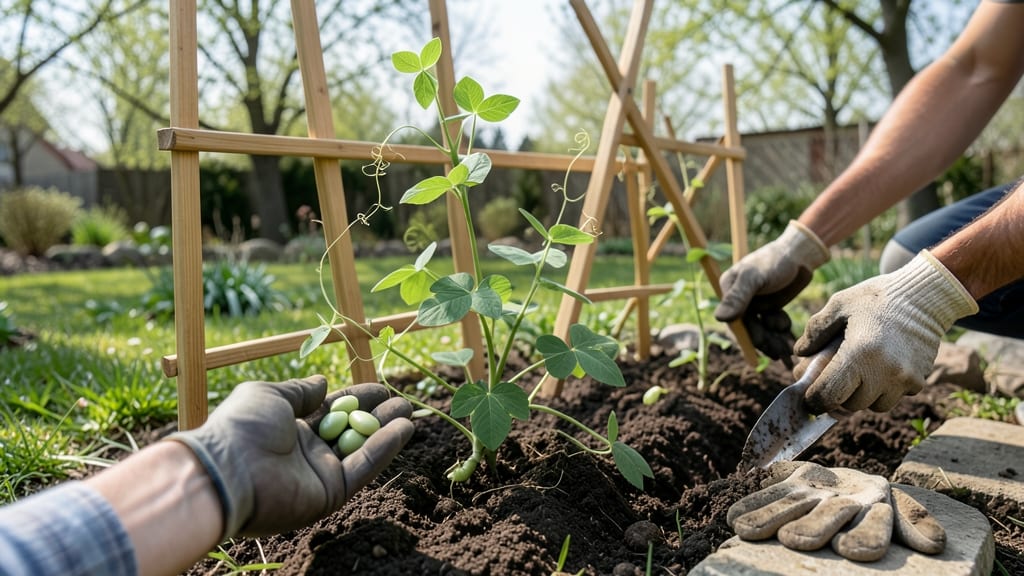
To plant garden peas at the perfect time for your zone, aim for 2-4 weeks before your last frost—this ensures sweet, tender pods before the heat sets in.
Garden peas 🌱 thrive in cool weather, but planting them too early or late can mean the difference between a bountiful harvest and a disappointing crop—here’s the exact frost-free window by USDA zone to maximize your yield.
Whether you're in Zone 6a or a warmer climate, timing matters. Early spring (March-April) is ideal for most regions, but late summer plantings (70-90 days before frost) work in mild areas. Below, I’ll break down the best windows, soil temps to watch for, and how to avoid frost damage.
You’ll also discover whether to direct-sow or start indoors, plus succession planting tips to keep your harvest going all season long.
Best planting times for garden peas by USDA hardiness zone
Garden peas (Pisum sativum) are cool-season powerhouses that thrive when planted at the right time—too early and frost can damage tender seedlings, too late and summer heat stunts growth.
The ideal window is 3-5 weeks before your last expected frost date, but this varies dramatically by USDA zone. I’ve broken down the perfect timing for every zone to ensure your peas grow strong and productive.
For most gardeners in USDA Zones 3-7, the best time to plant peas is early spring, as soon as the soil reaches 40°F (4°C) and can be worked.
In warmer zones (Zones 8-11), you can also plant in fall for a winter harvest, taking advantage of cooler temperatures. Let’s dive into the exact frost-free windows by zone to maximize your yield.
In Zones 3-4, where winters are harsh, focus on early spring planting (March-April) using varieties like 'Green Arrow' or 'Little Marvel'. These peas tolerate light frost and germinate quickly in cool soil.
For Zones 5-6, you can also try a fall planting in September or October, but ensure the soil stays above 32°F (0°C) to prevent damage.
Gardeners in Zones 7-8 have flexibility with both spring and fall plantings. Spring is ideal in February-March, while fall plantings in September-October avoid summer heat. If you notice temperatures creeping above 80°F (27°C), provide afternoon shade to protect your peas from bolting (premature flowering).
For those in Zones 9-11, fall is the prime time—plant in October-November for a winter harvest. Some varieties, like 'Oregon Sugar Pod', thrive in these mild climates and can even be planted in December if protected from frost. Always check your local frost-free dates and adjust accordingly.
Pro tip: If your zone experiences unpredictable frosts, use row covers or cold frames to extend your planting window. These tools can push your peas into earlier spring or later fall plantings without risking frost damage.
For example, in Zone 6, you might plant as early as February with protection, then remove it once temperatures stabilize.
Remember, peas are fast growers—most varieties mature in 60-70 days. By planting at the right time, you’ll ensure a steady supply of fresh peas from early summer (or late winter in warm zones) through late spring.
Avoid planting too late in spring, as heat stress can cause peas to produce fewer pods or bolt prematurely.
To test if your soil is ready, stick your finger 2 inches deep—if it’s cool but workable (not soggy or frozen), it’s time to plant. For best results, aim for a soil temperature between 40-60°F (4-15°C).
Use a soil thermometer if you’re unsure; it’s a small investment for a big harvest!
Finally, consider succession planting every 2 weeks for a continuous harvest. This works especially well in cooler zones where you can stagger plantings through early spring. Whether you’re in a frosty Zone 3 or a mild Zone 10, timing is everything for sweet, homegrown peas.
Signs your garden peas are ready to plant (and when to avoid it)
Peas are cool-season champions, but timing is everything. Planting too early risks frost damage, while waiting too long means heat stress. The perfect window depends on soil temperature, daylight hours, and your USDA zone.
I’ve learned the hard way—last year’s late planting left me with stunted vines and few pods. Let’s fix that!
First, check your local frost dates. Peas thrive in 40–75°F soil and can handle light frosts. Aim to plant 3–5 weeks before your last frost date for early varieties.
In warmer zones (like 8–10), late summer planting works too—just time it for harvest before heat sets in. Don’t guess: use a soil thermometer to confirm temps.
⚠️ callout warning ⚠️
⚠️ Avoid These Planting Pitfalls
- Cold, wet soil: Peas rot in below 40°F temps. Wait for soil to dry slightly after spring rains.
- Long daylight hours: Planting in summer triggers bolting. Stick to 12–14 hours of daylight for best growth.
- Overcrowded seeds: Sow 1–2 inches apart; thinning later stresses plants.
🌱 Pro Tip: Soak seeds overnight to speed up germination in cool soil.
Watch for daylight cues too. Peas grow best with 10–12 hours of daylight. In northern zones, plant in March or early April when days lengthen. Southern gardeners can try fall planting (August–September) for winter harvests. Check your local weather forecast for stable temps—peas hate sudden swings.
Your soil’s readiness matters just as much. Peas prefer loamy, well-draining soil with a pH of 6.0–7.5. Amend heavy clay with compost, and avoid fresh manure—it can burn tender roots.
A simple scratch test (dig 6 inches deep) tells you if soil is workable. If it’s still muddy, wait a week.
Common mistakes derail even the best-laid plans. I’ve seen gardeners plant peas too deep (burying them >1.5 inches) or skip trellises for vining types. Both lead to poor yields. Also, avoid planting where legumes grew last year—soil-borne diseases like fusarium can linger. Rotate crops for healthier plants.
Finally, trust your gut (and your plants). If your area’s forecast shows consistent 60°F+ days and soil is crumbly, it’s go time. But if temps fluctuate or rain is forecasted, delay.
Peas are forgiving, but patience pays off—a well-timed planting means sweet, plump pods in just 60–70 days. 🌱