
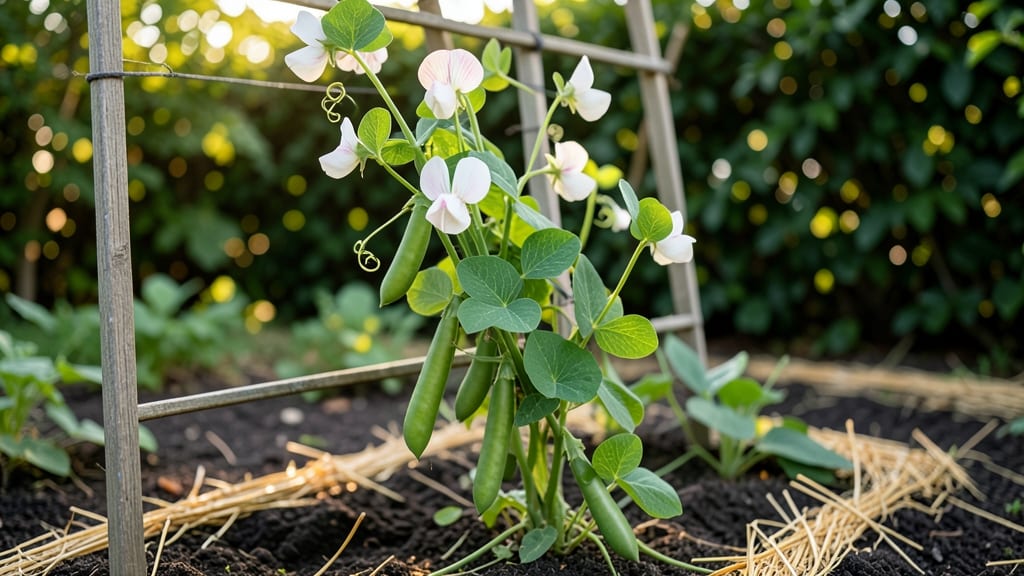
How Tall Do Garden Peas Grow: Variety Height Chart for Trellis vs. Bush Types

Size

How Tall Do Garden Peas Grow: Variety Height Chart for Trellis vs. Bush Types

How tall do garden peas grow? 🌱 They can range from just 1 foot to over 6 feet, depending on whether you plant bush or trellis varieties—and that height difference changes everything about how you grow them.

Picture this: one year, I squeezed in a row of 2-foot bush peas along the fence, only to watch them sprawl into a tangled mess by midsummer. The next year, I tried 6-foot Sugar Snap vines on a trellis, and suddenly, my harvest doubled without taking up extra space.

That’s the power of picking the right type for your garden.

If you’re working with limited space, compact varieties like ‘Tom Thumb’ stay neatly contained, while varieties like ‘Oregon Sugar Pod’ climb aggressively—ideal if you’ve got vertical room to spare. The key is matching the plant to your setup, not the other way around.

Below, I’ll break down the height ranges of the most popular types, how to support tall varieties without overcrowding, and which varieties deliver the biggest yields in the smallest footprint. No guesswork—just straight-to-the-point advice for your garden.

📈 Garden Garden Pea Growth Timeline
N/A (annual)
Year 1
N/A (annual)
Year 2
N/A (annual)
Year 3
1-6 ft (depends on variety)
Mature

Garden pea height guide: trellis vs. bush varieties compared

If you're planning your garden layout, knowing how tall garden peas grow is key to choosing the right varieties. Some stay low and bushy, while others climb like jungle vines—up to 6 feet tall!

The difference isn’t just about space; it impacts yield, ease of harvest, and even your trellis needs. Let’s break down the most popular types so you can pick the perfect fit for your garden.

Peas generally fall into two main categories: bush peas (compact, no trellis needed) and climbing peas (tall, require support). Bush varieties typically max out at 2 feet, making them ideal for small gardens or containers.

Climbing types, however, can reach 6 feet or more, turning your vertical space into a pea-producing powerhouse. The right choice depends on your garden’s layout and your willingness to install trellises.

Here’s the game-changer: most gardeners get higher yields from climbing peas because they produce more pods over a longer season. But if you’re short on space or prefer low-maintenance gardening, bush varieties are a lifesaver. Let’s dive into the specifics with a quick-reference height chart to help you decide.

Variety Type Height Range Days to Maturity Spacing Best For
Tom Thumb Bush 12-18" 55-65 3-4" apart Containers, small gardens
Little Marvel Bush 18-24" 60-70 4" apart Balconies, raised beds
Sugar Snap Climbing 6-8 ft 60-70 2-3" apart, trellis High yields, vertical gardens
Oregon Sugar Pod Climbing 5-7 ft 60-70 3-4" apart, trellis Sweet pods, cold tolerance
Green Arrow Climbing 4-6 ft 55-65 2" apart, trellis Early harvest, disease-resistant
Douce Provence Bush 18-24" 60-70 4" apart Sweet flavor, small spaces
Wando Climbing 5-7 ft 60-70 2-3" apart, trellis Heat-tolerant, high yield
Mammoth Melting Sugar Climbing 7-9 ft 65-75 3-4" apart, trellis Classic sweet peas
Tom Thumb Dwarf Bush 10-12" 55-65 2-3" apart Tiny gardens, pots
Alderman Climbing

Best pea varieties for small gardens vs. large plots

Choosing the right pea variety depends entirely on your garden's size. Compact bush peas are perfect for balconies or containers, while tall climbing varieties thrive in spacious plots.

The key is matching your space to the plant's mature height—some varieties stay under 12 inches, while others reach 6 feet or more.

For small spaces, I recommend bush peas like 'Tom Thumb' that stay under 18 inches tall, while larger gardens can accommodate high-yielding climbers like 'Sugar Snap' that need trellises.

If you're working with limited square footage, container gardening opens up even more options. Many dwarf varieties grow beautifully in 5-gallon pots, making them ideal for patios or windowsills. Just ensure your container has drainage holes and depth of at least 12 inches.

For larger plots, climbing varieties can produce 3-4 times more peas per square foot when given proper support, but they require more maintenance and space for trellising. The right choice depends on whether you prioritize convenience or yield.

🌱 Here's my curated list of top pea varieties for different garden sizes, organized by growth habit and space needs:

🌿 For Small Gardens (Containers/Balconies)

  • Tom Thumb - 10-12" tall, perfect for 5-gallon pots
  • Little Marvel - 12-18", compact bush type with high yield
  • Douce Provence - 18", sweet snap peas in small spaces
  • Oregon Sugar Pod - 12-15", great for hanging baskets

🪴 For Large Gardens (In-Ground Plots)

  • Sugar Snap - 6-8" vines, needs trellis, high yield
  • Wando - 6-7" vines, disease-resistant climber
  • Kelvedon Wonder - 7-8" vines, classic shelling pea
  • Mammoth Melting Sugar - 8-10" vines, sweet snap peas

🌱 Hybrid Options for All Sizes

  • Super Sugar Snap - 5-6" vines, compact climber
  • Green Arrow - 4-5" vines, early producer
  • Tom Thumb Plus - 15", improved bush type

When selecting varieties for small spaces, I always prioritize bush peas because they eliminate the need for trellises. These compact plants produce pods at ground level, making them easier to harvest and less prone to wind damage.

For larger gardens, I recommend climbing varieties because they maximize vertical space—just be prepared to invest in sturdy trellises or cages. A 6-foot trellis can support multiple plants and dramatically increase your pea production per square foot.

For container gardening, I've had great success with 'Oregon Sugar Pod' in hanging baskets. The vines cascade beautifully while producing sweet snap peas just inches from my fingertips. In my larger garden beds, I dedicate one section to 'Sugar Snap' peas on a 6-foot tall trellis system.

This setup allows me to grow peas alongside other crops without sacrificing space. The key is proper spacing—even bush varieties need 4-6 inches between plants to prevent competition.

Remember that pea height affects harvest ease. Taller varieties require ladders or stooping, which can be challenging for gardeners with mobility issues. If you're planting in raised beds, consider mixing bush and climbing varieties to create a layered effect.

The bush peas will produce early in the season, while the climbing varieties will continue yielding as they mature. This staggered harvest approach keeps your kitchen supplied with fresh peas for weeks.

For urban gardeners with limited space, don't overlook vertical gardening solutions. You can create pea trellises from old ladders, wire fencing, or even repurposed garden stakes. Just ensure your support structure is at least 5 feet tall for climbing varieties.

In my own small urban plot, I've trained 'Super Sugar Snap' peas up a 5-foot tall bamboo trellis, producing enough peas to share with neighbors while keeping my footprint minimal.

★★★★★5.0(13 reviews)
Categories Size