
Planting
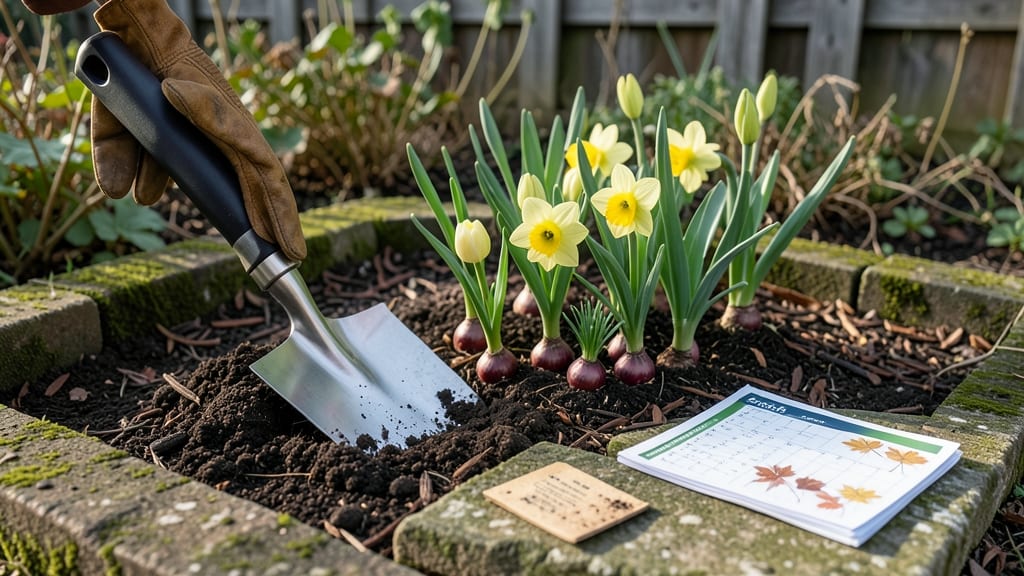
Planting your garden in Connecticut at the right time means catching that narrow window between last frost and summer heat — and missing it can leave you with stunted plants or wasted seeds.
Connecticut’s unpredictable spring weather can turn gardening dreams into frustrating guesswork—unless you know the exact frost-free window for each crop. Timing is everything when planting in CT, where last frosts can linger into May and early frosts may hit by October.
Cool-season crops like lettuce and peas thrive when planted as soon as the soil is workable, often by late March or early April, while warm-season favorites like tomatoes and peppers need to wait until after the average last frost date—usually mid-May in most regions.
In this guide, I’ll break down the best planting times for CT’s three climate zones, share tips for extending your growing season, and help you avoid common mistakes that lead to failed harvests.
Connecticut’s frost dates by region: when to plant cool-season vs warm-season crops
Connecticut’s three distinct climate zones—coastal, inland, and northern—create wildly different frost-free windows.
Coastal areas like New London typically see their last frost by April 20, while inland zones like Hartford may wait until May 10, and northern regions like Torrington can linger past May 20.
These differences mean your tomato seeds could thrive in coastal gardens but freeze overnight in northern plots if planted too early.
Understanding these regional shifts is critical because cool-season crops like lettuce and peas can handle light frosts, while warm-season crops like peppers and squash need consistent soil temperatures above 55°F. Even a 5-day delay can mean the difference between a bountiful harvest and wasted seeds.
Below is a region-specific planting guide for Connecticut’s most popular crops, including adjustments for microclimates like south-facing slopes or sheltered valleys. Use these dates as your baseline, then fine-tune based on your local observations and soil temperature.
🌱
For cool-season crops, I recommend starting with peas and spinach as early as March 15 in coastal areas, even if you use row covers for protection. These hardy crops can tolerate light frosts down to 20°F, making them ideal for CT’s unpredictable springs.
In inland zones, wait until after April 15 to plant lettuce and kale, as soil temperatures below 40°F slow germination.
Warm-season crops like tomatoes and peppers demand patience. In coastal CT, you can plant tomato seedlings as early as May 1 once soil temperatures exceed 55°F. However, in northern CT, delay until June 1 to avoid blackened leaves from unexpected late frosts.
For squash and cucumbers, which thrive in warm soil, wait until after May 20 in inland regions and June 1 in northern areas.
Microclimates can shift your planting window by 1-2 weeks. A south-facing slope might warm up enough to plant tomatoes by May 10 in inland CT, while a low-lying valley could delay planting until June 1.
Pay attention to local frost alerts and use soil thermometers to confirm readiness—55°F is the magic number for warm-season crops.
One common mistake is planting warm-season crops too early based on air temperature alone. Soil temperature is the true indicator. Use a soil thermometer to verify 55°F+ at a 4-inch depth before planting tomatoes or peppers.
If your soil is still cold, opt for cool-season alternatives like radishes or green onions, which tolerate cooler temperatures.
Fall planting is equally critical in CT. You can extend your harvest season by planting cool-season crops like broccoli and carrots as late as August 15 in coastal areas and September 1 inland.
These crops mature quickly in CT’s shorter fall days, giving you a second harvest before winter sets in.
To maximize your CT garden, I suggest keeping a planting journal for at least 2 years. Note when you plant, any frost dates, and how crops perform. This will help you refine your schedule and adapt to local weather patterns—because no two springs in Connecticut are ever the same.
☀️
How to extend your Connecticut gardening season with succession planting and cold frames
Connecticut’s short growing season doesn’t have to limit your harvests. By using succession planting and cold frames, you can extend your garden’s productivity by 4-6 weeks on either end. These strategies let you grow cold-hardy greens in early spring and late-season crops like broccoli well into October.
Start with soil warming—lay black plastic or use straw mulch in early spring to raise soil temperatures 5-10°F faster. This jumpstarts seedlings like spinach and kale, which can tolerate light frosts.
For fall crops, focus on heat-loving plants like peppers and tomatoes, planting them in mid-July for a late harvest.
🌱 5 Proven Ways to Extend Your CT Gardening Season
- 1. Succession Plant every 2-3 weeks for continuous harvests. Example: Plant lettuce in April, June, and August.
- 2. Use row covers to protect cabbage and peas from late spring frosts. Remove when temps hit 50°F consistently.
- 3. Build cold frames over spinach and radishes to start them 3-4 weeks earlier than outdoor planting.
- 4. Choose fast-maturing varieties like bush beans (50 days) or bok choy (30 days) for quick turnarounds.
- 5. Plant garlic in fall (October-November) for a spring harvest with minimal effort.
For fall gardening, prioritize cool-season crops like broccoli, carrots, and beets. These thrive in 50-60°F soil and can handle light frosts. Use straw mulch to insulate roots and drip irrigation to keep soil moist without freezing.
In my Hartford garden, I’ve extended the season by 6 weeks using these methods.
Don’t overlook container gardening—pots on patios or balconies can hold warm soil longer, letting you grow herbs and greens well into November. Pair this with season extenders like hoop tunnels for tomatoes and peppers, which can stay productive until first frost (usually mid-October in CT).
Test your soil’s warmth before planting—stick your finger 2 inches deep. If it feels cold, wait another week. For cold frames, ensure they’re ventilated to prevent overheating, which can scorch tender seedlings. With these techniques, you’ll enjoy fresh harvests nearly year-round in Connecticut’s unpredictable climate.