
Planting
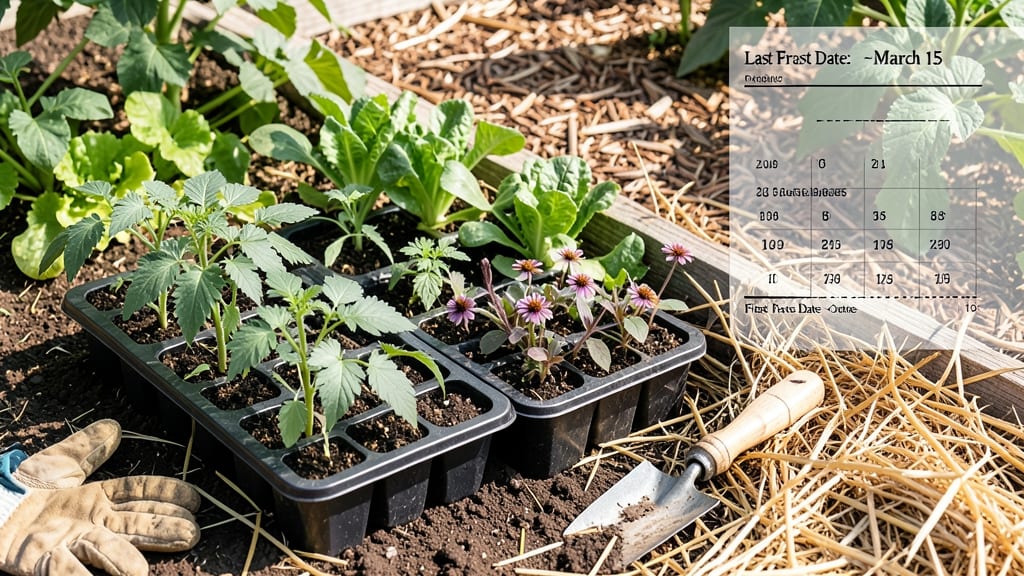
Planting a garden in North Carolina at the right time means the difference between a bountiful harvest and a sad, wilted mess 🌱—and the exact dates depend on whether you’re in the mountains or the coast.
If you’ve ever rushed to plant tomatoes only to watch them blacken overnight, you know timing is everything. North Carolina’s climate shifts dramatically from the Coastal Plain to the Appalachian foothills, so a one-size-fits-all approach won’t cut it.
Cool-season crops like lettuce and broccoli need to hit the soil 4–6 weeks before your last frost, while warm-season stars like peppers and squash wait until after the frost danger has passed. That’s usually mid-April for the mountains and early March for the coast—but don’t guess.
Below, I break down the fastest-growing planting windows for your zone, plus how to adjust for late frosts, heatwaves, and even microclimates like urban heat islands. Ready to grow like a pro?
NC frost dates by Zone: when to plant cool-season vs. warm-season crops
North Carolina spans 10 USDA hardiness zones, from the cool mountain valleys of Zone 5a to the humid Coastal Plain of Zone 8a. These zones dramatically shift your planting windows—sometimes by 4+ weeks.
For example, Asheville (Zone 7a) might see its last frost in early April, while Wilmington (Zone 8a) could be frost-free by mid-March. Understanding these differences ensures you’re not freezing your basil seedlings or wilting your broccoli in summer heat.
Cool-season crops like lettuce and spinach thrive in 50–70°F soil and can handle light frosts. Warm-season plants, such as tomatoes and peppers, need soil temps above 60°F and won’t survive frost.
Microclimates—like valleys (warmer) or hilltops (cooler)—can further tweak your timing. Below, we break down last frost dates by zone and the ideal planting windows for your top crops.
Pro Tip: Use a soil thermometer ($10 at garden centers) to confirm readiness. Warm-season crops won’t germinate in cold soil, even if air temps seem perfect. For Zone 5a–6a (mountains), wait until soil hits 65°F for tomatoes; in Zone 7b–8a (coastal), you can plant as early as March 15.
For cool-season crops, aim to plant 4–6 weeks before your zone’s last frost date. For example, in Zone 6a, sow spinach by February 15 to harvest before summer heat. In Zone 8a, you can even plant kale in December for a winter crop.
Use row covers (floating fabric) to extend cool-season growing by 2–3 weeks in early spring or late fall.
Warm-season crops like tomatoes and peppers need to wait until soil temps consistently stay above 60°F
Best crops to plant in NC by month: month-by-month planting calendar
North Carolina’s diverse microclimates mean your planting schedule should shift from the Coastal Plain’s mild winters to the mountain regions’ later springs. Use this month-by-month guide to align your planting with NC’s 200–240 frost-free days, prioritizing succession planting for continuous harvests.
Start with cool-season crops in early spring, then transition to heat-loving plants after your last frost date (typically mid-April in the Piedmont).
For year-round production, pair direct sowing with row covers (to extend spring/fall) and cold frames (for winter greens). NC-specific crops like collards, sweet potatoes, and Southern peas thrive with these timing adjustments.
Always check your local NC State Extension frost dates—mountain zones (e.g., Asheville) may have 2–3 weeks later planting windows than coastal areas.
In summer’s peak heat (June–August), focus on heat-tolerant crops like okra, sweet potatoes, and Southern peas. These thrive in NC’s 90°F+ temperatures and require consistent mulching to retain moisture.
For fall planting, prioritize broccoli, cauliflower, and collards—these cool-season workhorses sweeten after frost, making them ideal for October–November harvests.
Extend your harvest window with succession planting: sow lettuce or radishes every 2 weeks from March through September. For root vegetables like carrots or beets, stagger plantings to avoid bolting (premature flowering) during heatwaves.
In mountain regions, delay warm-season crops (e.g., tomatoes) until late May to avoid early frosts.
Pro tip: Use NC State Extension’s interactive frost map to pinpoint your last frost date. For example, Raleigh (Zone 7b) averages April 15 for last frost, while Charlotte (Zone 8a) may see March 20.
Adjust your schedule accordingly—warm-season crops planted before soil reaches 60°F will rot in cold soil. Always test soil temperature with a soil thermometer before planting.
Don’t forget herbs! Plant basil after frost, cilantro in spring/fall, and rosemary in early spring for year-round harvests. With these NC-specific