
Planting
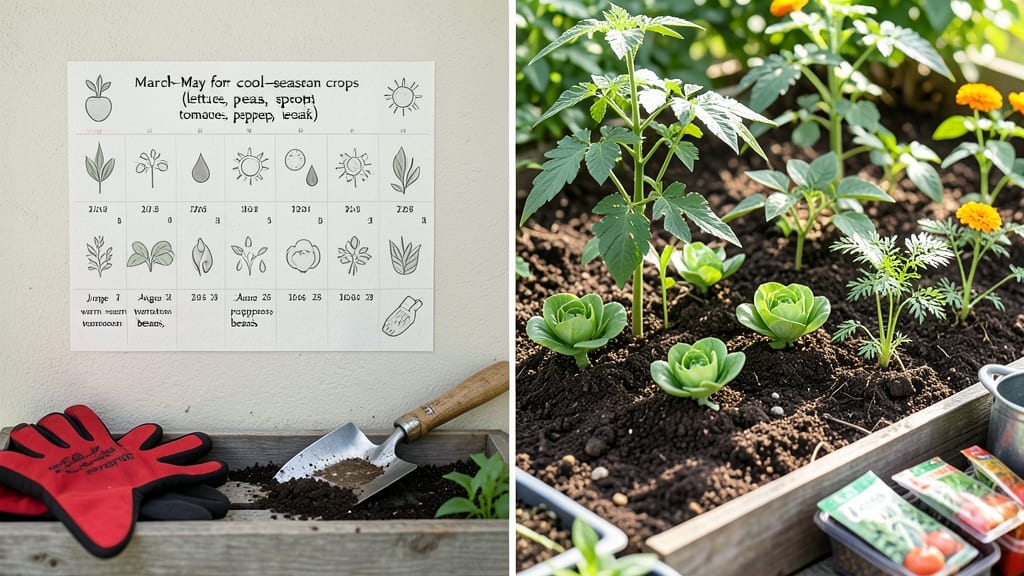
Planting your garden in Zone 7 at the right time means the difference between a lush harvest and wasted effort — and the window is narrower than you might think.
Missed planting times in Zone 7 can mean the difference between a thriving garden and a disappointing harvest—so timing your crops exactly right is non-negotiable.
With last frosts ranging from early March to late April and summer heat arriving by June, knowing when to start seeds indoors, transplant seedlings, and sow directly is the key to avoiding six-foot vines with no fruit or bolted greens before they mature.
Here’s how to pinpoint the perfect planting window for every crop in your Zone 7 garden, from cool-season favorites like spinach to heat-lovers such as tomatoes, plus how to adjust for microclimates and soil conditions.

Zone 7 planting calendar: exact dates for cool-season and warm-season crops
Getting your planting timing right in Zone 7 means understanding both the last frost date (typically mid-March) and the first frost date (usually mid-November). These dates create your growing window, which spans about 240 days—just enough time for two full crop rotations if you plan carefully.
Cool-season crops like lettuce and spinach thrive in spring and fall, while warm-season plants such as tomatoes and peppers need the consistent warmth of late spring and summer. Missing these windows can mean stunted growth or failed harvests, so let’s break down the exact planting dates by month.
Here’s your Zone 7 planting calendar with precise timing for both direct sowing and transplanting, including succession planting tips to maximize your garden’s potential.
| Month | Cool-Season Crops (Direct Sow) | Warm-Season Crops (Transplant) | Succession Planting Tips |
|---|---|---|---|
| March | Peas, spinach, lettuce (After last frost, ~mid-March) |
Onions, leeks (Start indoors in Feb) |
Sow every 2 weeks for continuous harvest |
| April | Broccoli, cabbage, kale (Direct sow after frost) |
Tomatoes, peppers, eggplants (Transplant after soil warms to 60°F) |
Use row covers for early warm-season plants |
| May | Radishes, carrots, beets (Direct sow for summer harvest) |
Basil, cucumbers, squash (Plant after last frost, soil 70°F+) |
Sow beans every 2 weeks for staggered harvests |
| June | None (too hot for cool crops) | Sweet corn, okra, melons (Direct sow after soil warms) |
Interplant fast growers (radishes) with slow growers (squash) |
| July | None (focus on warm crops) | Green onions, bush beans (Succession plant every 3 weeks) |
Harvest warm crops early to make space for fall planting |
| August | Kale, spinach, arugula (Direct sow for fall harvest) |
None (focus on cool-season prep) | Plant garlic in late August for spring harvest |
| September | Broccoli, cabbage, lettuce (Direct sow for fall/winter harvest) |
None (transition to cool crops) | Use row covers to extend fall growing season |
| October | Peas, spinach, radishes (Direct sow for early spring harvest) |
None (focus on soil prep) | Plant cover crops (clover) to protect
How to adjust planting times based on microclimates in Zone 7Zone 7 gardeners know the average last frost date is around March 15, but your specific microclimate can shift planting windows by 2-4 weeks. Whether you're in a mountain valley, urban heat island, or coastal area, these local variations determine whether your tomatoes thrive or your broccoli bolts. Understanding how to adjust your schedule based on these conditions is the key to maximizing your harvest. Start by identifying your garden's unique conditions. Elevation changes can create 10°F temperature swings in just a few miles—higher areas freeze earlier and warm up slower. Meanwhile, urban heat islands can push spring planting back by 2-3 weeks as pavement and buildings trap heat. Even soil composition matters: sandy soil warms faster than clay, affecting when you can plant warm-season crops like peppers and squash. ⚠️ WARNING: Planting Too Early or Too Late ⚠️
Timing mistakes cost Zone 7 gardeners 30-50% of potential yields!
Cold snaps can kill tender seedlings overnight, while late planting reduces harvest size. For example, planting cool-season crops like kale after April 15 risks bolting before frost. Conversely, warm-season plants like basil need soil at 60°F+—planting too early in cold, wet soil causes rot. Use a soil thermometer ($10 at garden centers) to verify readiness. Most warm-season crops need 55-65°F soil for 7+ days before planting. For cool-season crops, wait until soil is 40-50°F to avoid stunted growth. Adjust your schedule using row covers and cold frames to extend seasons. A simple floating row cover can push spring planting back 2-3 weeks by trapping heat, while a cold frame lets you start spinach or lettuce as early as February in sheltered spots. For urban gardeners, south-facing walls create microclimates where tomatoes ripen 2 weeks earlier than in open beds. Pay attention to wind exposure—open areas dry out faster and freeze sooner. If your garden is windy, plant windbreaks (like corn stalks or bamboo fencing) to create a warmer microclimate for delicate plants. Even a 6-foot-tall fence can raise soil temperatures by 5-10°F in spring. For succession planting, use these microclimate tweaks: In cooler microclimates, plant fast-maturing crops like radishes every 2 weeks from March to July. In warmer microclimates, extend warm-season crops like green beans into early September by choosing heat-tolerant varieties. Track your garden's unique patterns for 3 years to refine your schedule. Note when frost dates vary, how rainfall affects soil warmth, and which plants thrive in your microclimate. With these adjustments, you'll turn Zone 7's variable conditions into an advantage—producing bigger harvests with less guesswork. 🌱 |