
Planting
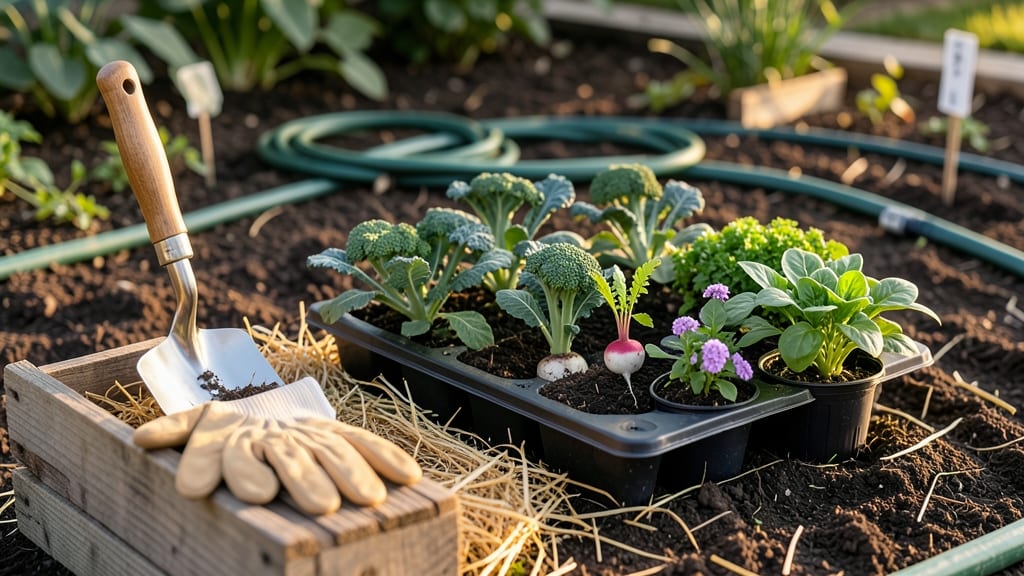
To plant a fall garden in South Texas, aim for late August through mid-October when soil temperatures dip below 90°F and 6-8 weeks remain before your first frost.
South Texas gardeners face a unique challenge: scorching summers and unpredictable fall weather—but timing your 🥬 garden just right means harvesting crisp greens and hearty vegetables before the first frost. Skip the guesswork and plant at the perfect moment to maximize yields.
In USDA Zones 9a-10a, the window for cool-season crops like kale, broccoli, and carrots is narrow. Plant too early, and the heat will stress seedlings; too late, and you’ll miss the harvest before winter sets in. The key is balancing residual summer warmth with cooling trends.
Below, I’ll break down the ideal planting timeline, heat-tolerant crop choices, and soil prep tips to ensure your fall garden thrives—no matter how erratic South Texas weather can be.
South Texas fall planting timeline: heat-tolerant crops & frost dates
South Texas gardeners know the drill: summer heat lingers well into October, but cooler nights signal the perfect window for fall planting. The key is planting heat-tolerant crops early enough to avoid early frost (typically December 1–15 in Zone 9a/9b) while still benefiting from residual summer warmth.
I’ve planted collards and kale too late before, only to watch them bolt in the cold—don’t make that mistake!
Your planting timeline hinges on two critical factors: soil temperature (aim for 70–85°F) and first frost dates. In South Texas, the average last frost date ranges from November 15 (Zone 9a) to December 15 (Zone 10a), but microclimates (like urban areas) can shift this by weeks.
Start with heat-loving crops like okra and sweet potatoes in early August, then transition to cool-season greens by mid-September.
| Crop | Planting Window | Days to Harvest | Key Notes |
|---|---|---|---|
| Okra | Early August–mid-September | 50–65 days | Heat-tolerant; plant 6–8 weeks before first frost. |
| Sweet Potatoes | Late July–early September | 90–120 days | Long season; harvest before hard frost. |
| Collards | Mid-August–October | 50–70 days | Sweetest after light frost; succession plant. |
| Kale | Late August–September | 45–60 days | Cold-hardy; harvest young for tender leaves. |
| Turnips | September–October | 30–50 days | Fast-growing; avoid planting too early (bolting risk). |
| Carrots | September–October | 60–80 days | Loose soil prevents forking; harvest before frost. |
For okra and sweet potatoes, I recommend starting seeds indoors in late July or transplanting young plants by early August. These heat-loving crops need full sun and well-draining soil—South Texas clay?
Amend it with compost to improve drainage. Okra thrives in 90°F+ soil, while sweet potatoes prefer 80–85°F for optimal growth.
Shift to cool-season crops like collards and kale once daytime temps drop below 85°F (usually mid-September). These frost-tolerant greens actually sweeten after a light frost, but they’ll bolt if planted too early. I’ve learned the hard way—wait until soil temps fall below 80°F to avoid bitter, stringy leaves.
Don’t overlook succession planting for leafy greens. Sow collards or spinach every 2–3 weeks from September through October to ensure a continuous harvest. This strategy works especially well in South Texas, where unpredictable rains can delay germination.
Keep seeds moist with drip irrigation or a light mulch to retain soil moisture.
Watch for early frost warnings starting in late November. While Zone 9a/9b rarely sees hard freezes, a light frost (28–32°F) can damage tender crops like lettuce or spinach. Use row covers or cold frames to extend the season for heat-sensitive varieties.
I’ve kept kale growing through December with a simple floating row cover, adding weeks to my harvest window.
Pro tip: Test your soil in late August to check pH and nutrient levels. South Texas soils often lack organic matter, so mix in aged compost or well-rotted manure before planting.
A balanced fertilizer (10-10-10) applied at planting and again in early September gives most fall crops the boost they need to thrive.
Remember, microclimates matter. Urban areas like San Antonio or Houston hold heat longer than rural spots, so adjust planting dates accordingly. If you’re in a heat island, wait until late September for cool-season crops.
Conversely, higher elevations (like Hill Country) may experience frost earlier—monitor local Cooperative Extension updates for precise frost dates.
By following this timeline, you’ll avoid the common pitfalls of planting too early (heat stress) or too late (missed harvests). Start with heat-tolerant crops in August, transition to cool-season greens in September, and protect tender plants with row covers as frost nears.
With the right timing, your South Texas fall garden can be just as bountiful as spring!
How to extend your South Texas fall garden with succession planting
Succession planting is your secret weapon for a continuous harvest in South Texas’ unpredictable fall weather. By staggering plantings every 2–3 weeks, you’ll avoid the "feast or famine" cycle and enjoy fresh greens, peas, and root crops long after your neighbors’ gardens fizzle out.
The key? Choosing heat-resistant varieties that thrive in late-summer warmth while preparing for cooler temperatures.
Start with fast-growing crops like Malabar spinach or black-eyed peas, which tolerate 90°F+ soil temps and mature in 45–60 days. These workhorse plants bridge the gap between summer’s lingering heat and fall’s crisp mornings.
Pair them with broccoli or kale, which handle mild frosts but need a head start in August to avoid bolting.
To prevent bolting or wilting, focus on soil moisture retention. South Texas’ caliche clay drains poorly and heats up fast—amend beds with 2–3 inches of compost and top with mulch (straw or pine needles) to keep roots cool.
Water deeply in the morning to reduce evaporation, especially for heat-sensitive crops like lettuce.
Don’t overlook microclimates—urban areas stay warmer than rural spots. If your garden sits near pavement or buildings, opt for shade-tolerant varieties like Swiss chard or turnips. For raised beds, extend the season by 1–2 weeks—they warm up faster in spring but cool down slower in fall.
With this approach, you’ll enjoy fresh harvests from September through December, even if a late frost sneaks in. Start small with one row of Malabar spinach and broccoli every 3 weeks, then expand as you master the timing.
Your fall garden will thank you with crisp greens and hearty roots long after your neighbors’ beds go dormant.
🌱