
Planting
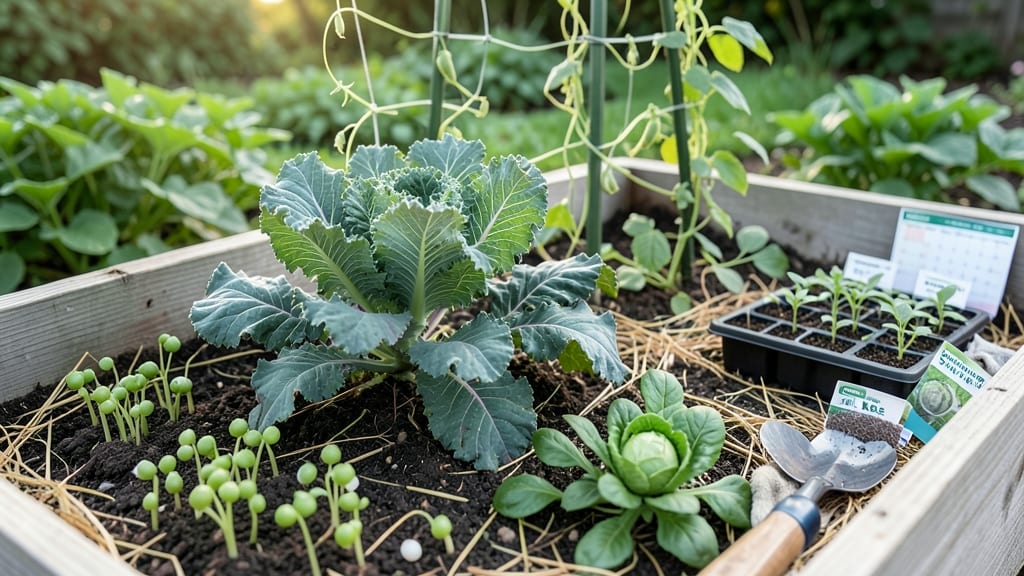
Planting a garden in North Dakota means timing your crops perfectly between May 10 and September 15—the window where frost won’t ruin your hard work.
Miss that mark, and you’re either staring at frozen seedlings or watching summer slip away before your tomatoes ripen.
North Dakota’s USDA 3b-4b zones demand a strategy: cool-season crops like peas and spinach can go in as early as mid-April, while heat-lovers like tomatoes need to wait until late May or early June.
Here’s the game-changer: a crop-by-crop planting schedule that accounts for soil temperature, microclimates, and ND’s unpredictable weather. Whether you’re starting seeds indoors or direct-sowing, this timeline keeps your garden thriving when it counts.
You’ll learn which fast growers (radishes, lettuce) can squeeze into early spring, how to stretch the season with row covers, and which late-summer crops (kale, carrots) still have time to mature before frost.
North Dakota’s frost-free planting zones & key dates by crop type
North Dakota’s USDA Zones 3b-4b mean gardeners must work with a 120-day frost-free window—typically from mid-May to mid-September. The average last frost date is May 10, but this varies yearly by 5-10 days depending on microclimates.
Understanding these frost dates helps you align planting with your crops' heat requirements, whether they thrive in cool soil or need warm conditions to germinate.
Cool-season crops like spinach, peas, and kale can handle early spring planting as soon as soil is workable (40°F), while tomatoes, peppers, and cucumbers need soil temperatures above 50°F to avoid stunted growth.
Below is a crop-specific planting timeline tailored to ND’s climate, including hardy varieties that perform well in short seasons and heat-loving plants that need maximum sun exposure.
For visual reference, North Dakota spans USDA Zones 3b (northern) to 4b (southern). The Red River Valley (Zone 4a) enjoys slightly longer seasons, while areas near Minot or Bismarck (Zone 3b) have 10-14 fewer frost-free days.
Always check local Almanac frost date predictions for your exact location, as urban areas may experience 2-3 warmer degree days than rural zones.
| Crop Type | Planting Window | Soil Temp Requirement | Days to Maturity | ND Varieties to Try |
|---|---|---|---|---|
| Cool-Season Vegetables | Early April–Mid-May (spring) or Late July–Early Aug (fall) | 40–50°F | 30–60 days | Spinach 'Bloomsdale', Kale 'Winterbor', Peas 'Green Arrow' |
| Warm-Season Vegetables | Mid-May–Early June (after last frost) | 50–60°F | 50–90 days | Tomato 'Stupice', Zucchini 'Eight Ball', Cucumber 'Straight Eight' |
| Herbs | Late April–Mid-June (hardy herbs) or June–July (tender herbs) | 45–60°F | 30–120 days | Parsley 'Italian Flat-Leaf', Dill 'Bouquet', Basil 'Genovese' |
| Flowers | Early May–Mid-June (annuals) or Early Sept (perennials) | 45–55°F | 45–90 days | Marigold 'Bonanza', Sunflower 'Moulin Rouge', Coneflower 'Magnus' |
| Root Crops | Late April–Early June (spring) or Late July (fall) | 40–50°F | 60–120 days | Carrot 'Nantes', Potato 'Kennebec', Beet 'Detroit Dark Red' |
For cool-season crops, start seeds indoors 4-6 weeks before the last frost date to give them a head start. Spinach and peas can even be sown directly in late August for a fall harvest before frost.
Meanwhile, tomatoes and peppers benefit from 6-8 weeks of indoor seed starting (begin by March 15) to ensure they’re large enough to transplant after the last frost.
North Dakota’s short growing season makes succession planting essential. After harvesting
How to adjust planting times for North Dakota’s unpredictable weather patterns
North Dakota’s unpredictable frost patterns can turn a promising garden into a casualty of late springs or early freezes. The key to success lies in flexible planting strategies that account for soil temperature, microclimates, and protective tools.
I’ve learned that rigid schedules often fail here—adaptability is everything when your last frost date can shift by weeks between years.
One of my biggest mistakes was planting peas in early May, only to lose them to a late April frost. Since then, I’ve relied on soil thermometers and local weather alerts to adjust timelines.
Urban gardens in Fargo may thaw weeks earlier than rural areas near Dickinson, so understanding your microclimate is critical. Even a south-facing wall can create a 5°F warmer zone where tender crops thrive.
⚠️ WARNING: Common Mistake Alert! Planting based on air temperature alone is risky—soil temperature determines seed viability. Most vegetables need 50°F soil to germinate, while cool-season crops like spinach tolerate 40°F.
I once watched lettuce seeds rot in 60°F air because the soil stayed below 45°F. Always check with a soil thermometer at 2-inch depth before planting.
To extend your growing season, I recommend row covers and cold frames as my top tools. Floating row covers (like Reemay fabric) can push planting dates back by 2-3 weeks by trapping heat.
For early starts, a simple cold frame (even a repurposed window box) can keep soil 10-15°F warmer than ambient air. I’ve successfully grown kale and radishes under covers in late March when bare soil was still frozen.
Microclimates play a huge role in ND gardening. Urban areas often warm up faster due to heat island effect, while rural fields stay colder longer. Observe your garden’s behavior for 3 years to identify patterns—note where frost lingers, how wind affects plants, and which spots get afternoon sun.
My east-facing raised bed warms enough for tomatoes by June 1, while the west side stays usable until September 10.
For late-season crops, focus on fast-maturing varieties and succession planting. I plant bush beans every 2 weeks from June to July to ensure harvests before the first frost. Pair this with mulching (straw or leaves) to insulate soil and preserve warmth.
Even in Zone 3, I’ve had success with cabbage and kale planted in early August—they thrive in cooler fall temps.
Use these three rules to adjust planting times: 1) Wait until soil reaches 50°F for warm-season crops, 2) Protect seedlings with row covers if nights dip below 45°F, and 3) Monitor 7-day forecasts before planting heat-lovers like tomatoes.
With these strategies, you’ll turn ND’s challenges into opportunities for a longer, more productive growing season. 🌱