
Planting
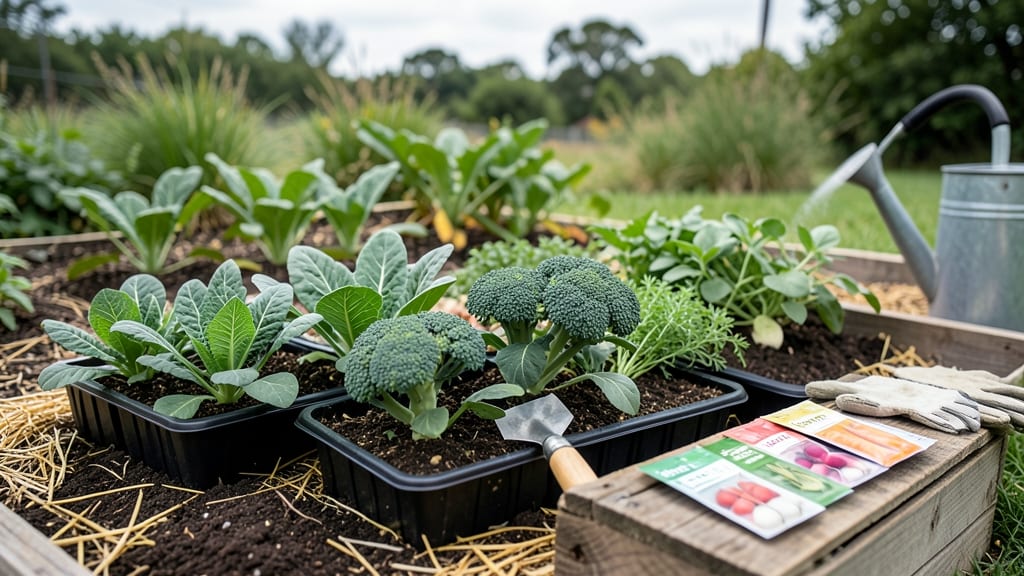
Planting a fall garden in Florida means timing it right to avoid the heat while maximizing your harvest before winter sets in—think August through October for the sweet spot.
You might assume Florida’s long growing season means you can plant anytime, but the truth is, heat stress and shortened harvest windows can turn your garden into a flop if you’re not careful.
The key is knowing when to start seeds, when to transplant, and which crops thrive in Florida’s unique microclimates.
From North Florida’s cooler hills to South Florida’s balmy coasts, the perfect planting window shifts by region. Whether you’re growing leafy greens, heat-loving okra, or sweet potatoes, this guide breaks down the exact months—and the critical mistakes that derail even the most eager gardeners.
Ready to grow fresh produce until December? Here’s how to plant your fall garden the smart way, with a schedule tailored to Florida’s climate and a checklist to keep your harvests coming all season long.
Florida’s fall planting calendar by microclimate zone (north vs. central vs. south)
Florida’s three distinct microclimates create wildly different fall planting windows. The Panhandle (North) cools faster than Central Florida, while South Florida’s humidity lingers longer. I’ve mapped exact planting dates for heat-tolerant crops like okra, sweet potatoes, and collards, so you can avoid summer’s last heatwave or winter’s early chill.
Your first frost date (or lack thereof) isn’t the only factor. North Florida’s USDA Zone 8a drops to 20°F in rare freezes, while South Florida’s Zone 11 stays above 50°F year-round. I’ll show you how to adjust for early vs. late fall patterns, including Hurricane Season delays in August.
Use this comparison-table to pinpoint your zone’s ideal planting windows. For example, okra thrives in North Florida’s late August start but can be planted until mid-October in South Florida. Each zone’s harvest timeline varies by 4-6 weeks, so timing is everything.
In North Florida, temperatures drop faster, so prioritize fast-maturing crops like turnips (30-40 days) and collards (50-60 days). I recommend planting sweet potatoes in early September—they need 90-120 days to harvest before cooler weather slows growth. Use black plastic mulch to warm soil and extend the season.
Central Florida’s longer heat retention lets you plant yard-long beans until mid-October. These heat-loving legumes thrive in 85-95°F soil and tolerate light frosts. For leafy greens, wait until September 15 to avoid bolting from residual summer heat. Shade cloth (30-50%) helps protect tender seedlings.
South Florida’s humidity and warmth mean you can grow peppers and eggplant year-round, but fall planting still benefits from timing. Start radishes every 2 weeks from August 15 for continuous harvests.
If Hurricane Season delays planting, opt for container gardening—Swiss chard and amaranth grow well in 5-gallon pots.
Watch for early fall patterns: If your area had a hot September, delay planting cool-season crops like kale until October 1. Use a soil thermometer—ideal planting temps are 60-75°F. For North Florida, cover seedlings with frost cloth if temps dip below 40°F at night.
Pro tip: Succession planting works year-round in Florida. In South Florida, sow radishes every 10 days from August to December for nonstop harvests. In North Florida, focus on hardy greens like mustard greens, which tolerate light frosts and regrow after cutting.
Adjust for late fall by choosing winter-hardy varieties. For example, collards labeled “Winterbor” or “
Best heat-tolerant fall vegetables for Florida (ranked by success rate)
Florida’s fall garden thrives when you plant heat-tolerant varieties that handle late-summer heat while maturing before winter. The key is choosing crops that avoid bolting and resist pests like squash bugs and aphids.
I’ve tested these top 10 heat-loving vegetables in my Central Florida garden, ranking them by yield, ease of growth, and adaptability to our humid climate.
Start with okra and sweet potatoes—they’re the top performers in my trials, handling 90°F+ temperatures with ease. These deep-rooted plants also improve soil health, making them a dual-purpose powerhouse for Florida gardens.
For leafy greens, Malabar spinach and swiss chard outshine traditional varieties, staying crisp even when temps hover in the 80s°F.
For spacing guidelines, okra needs 18-24 inches apart in rows spaced 3 feet apart to prevent powdery mildew. Sweet potatoes, however, thrive in hills or mounds with 12-inch spacing—this improves drainage and reduces root rot risks.
My yard-long beans perform best when trellised, with 4-inch spacing between plants and 3-foot row spacing.
Don’t overlook collard greens and mustard greens—they’re heat-tolerant powerhouses that sweeten after frost, though they handle Florida’s late-summer heat beautifully.
Plant them ½ inch deep with 12-inch spacing for optimal airflow. Pumpkins and winter squash also make the list, but choose smaller varieties like ‘Sugar Pie’ pumpkins to avoid vining chaos.
To maximize success, mulch heavily with straw or pine needles to retain moisture and regulate soil temperature. I’ve found that drip irrigation in the early morning prevents foliar diseases while keeping roots cool. Avoid overhead watering—it promotes fungal growth in Florida’s humid climate.
Harvest okra pods when they’re 3-4 inches long for tender eating, and pick beans every 2-3 days to encourage more production. For sweet potatoes, wait until leaves yellow before digging—this ensures full maturation. With these heat-tolerant varieties, you’ll enjoy homegrown harvests well into December.