
Planting
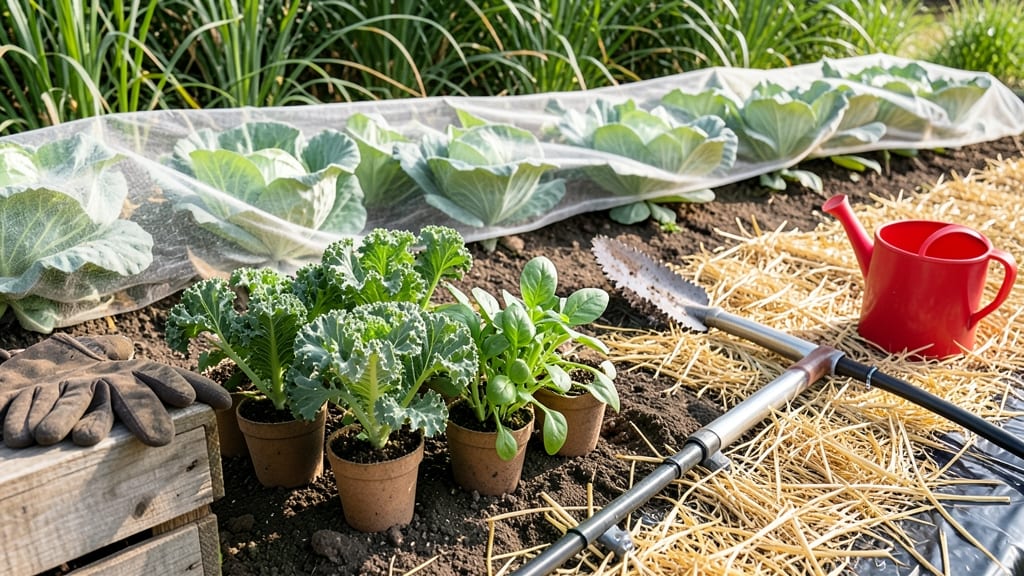
Planting a winter garden in Florida means timing your crops to avoid heat stress and capitalize on the state’s frost-free growing season—starting seeds in September and transplanting by November is the key to success.
Florida’s mild winters create a unique opportunity to grow lush, productive winter gardens—but timing is everything. Plant too early, and you risk heat stress; too late, and pests or cold snaps can ruin your harvest. Here’s how to pinpoint the exact windows for zero-frost crops in Florida’s diverse microclimates.
Unlike northern gardens, Florida’s USDA Zones 8a-11 let you grow 🥬 winter vegetables year-round with the right strategy. Whether you’re in the Panhandle, Orlando, or Miami, understanding your local microclimate helps you avoid common mistakes like overwatering or choosing heat-sensitive varieties.
Below, I break down the best planting windows for your region, the top cold-hardy crops for Florida winters, and how to protect your garden from unexpected chilly spells—so you can harvest fresh greens from October through April.
Florida’s winter planting zones: when to start seeds vs. transplants by microclimate
Florida’s winter gardening success hinges on understanding your microclimate. Unlike northern states, Florida’s USDA Zones 8a-11 mean no frost, but temperature fluctuations between north and south create distinct planting windows.
For example, North Florida’s Panhandle can dip below 50°F in January, while South Florida’s Miami rarely drops below 60°F. Knowing when to start seeds indoors vs. direct-sow outdoors saves time and resources.
In transition zones like Ocala or Gainesville, 30°F swings in a single week can stress young seedlings. My strategy? Seed-start indoors 4-6 weeks before the last expected cool snap (usually mid-October for North Florida, November for Central, and December for South).
For direct-sowing, aim for soil temperatures above 60°F—critical for crops like carrots and radishes that bolt in heat.
North Florida (Panhandle): Start lettuce and kale seeds indoors by September 1st for transplanting by October 15th. Direct-sow radishes and turnips in early October when daytime highs drop below 85°F. Use row covers if nights dip near 45°F—common in January-February.
Central Florida (Orlando/Tampa): Begin seed-starting indoors by October 1st for broccoli and cabbage, transplanting by November 1st. Direct-sow spinach and collards in mid-October when soil temps stabilize at 65°F. Avoid planting peas after December 1st—they’ll struggle with January heat spikes.
South Florida (Miami/Fort Lauderdale): You can direct-sow year-round, but peak windows are September-November for cool-season crops. Start seeds indoors by August 15th for transplanting in October, but many gardeners skip this step entirely—soil stays warm enough for fast germination.
🌱 Florida Winter Planting Comparison: Seeds vs. Transplants by Microclimate
| Microclimate | Indoor Seed Start | Outdoor Transplant | Direct Sow Window | Key Crops |
|---|---|---|---|---|
| North Florida (Panhandle) | September 1 - October 15 | October 15 - November 15 | Early October - Mid-November | Lettuce, Kale, Carrots, Radishes |
| Central Florida (Orlando/Tampa) | October 1 - November 1 | November 1 - December 15 | Mid-October - December | Broccoli, Cabbage, Spinach, Collards |
| South Florida (Miami/Ft. Lauderdale) | August 15 - September 30 | October 1 - November 15 | September - November (year-round possible) | Peas, Turnips, Arugula, Herbs |
| Transition Zones (Ocala/Gainesville) | September 15 - October 30 | October 30 - November 30 | Late September - December | All above + Swiss Chard |
*Adjust dates 1-2 weeks earlier for high-altitude areas (e.g., Apalachicola) or later for coastal zones (e.g., Naples).
For transition zones like Ocala, temperature swings are the biggest challenge. I’ve learned to monitor 7-day forecasts—if lows drop below 50°F, protect seedlings with frost cloth or move pots indoors.
In South Florida, the real risk is heat stress in December-January when temps creep back toward 80°F. Use shade cloth for leafy greens to prevent bolting.
Radishes and turnips are my go-to direct-sow crops because they germinate quickly (5-7 days) and tolerate cool soil. I’ll scatter seeds in late September in North Florida and early November in South Florida. For slow-growing crops like broccoli or cabbage, I always start seeds indoors
Critical temperature thresholds: how to avoid common winter gardening mistakes in Florida
Understanding soil temperature thresholds is the key to avoiding winter gardening mistakes in Florida. Unlike northern climates, Florida’s winters rarely drop below freezing, but subtle temperature shifts can still stress or kill your plants.
The 50°F/10°C rule applies to cold-hardy crops like broccoli and kale, while 60°F/15°C soil is ideal for tender varieties such as lettuce and spinach.
Many gardeners mistakenly plant warm-season crops too early in fall, only to watch them bolt or wilt as temperatures dip. Conversely, planting cold-sensitive crops too late in winter can leave them vulnerable to unpredictable cold fronts, especially in February when temperatures can plunge overnight.
Monitoring soil temps with a soil thermometer ensures you align planting with your crops’ needs.
⚠️ callout-warning ⚠️
While Florida rarely sees frost, sudden cold fronts in February can drop temps to 40°F/4°C overnight, shocking tender crops like basil or cucumbers. Even cold-hardy plants may struggle if soil temps fall below 55°F/13°C. Adjust planting dates for North Florida by 2-3 weeks later than South Florida, and always have row covers ready for late-winter protection.
To extend your winter growing season, use mulch and row covers strategically. A 2-3 inch layer of straw or wood chips keeps soil temps stable, while floating row covers can raise soil temps by 3-5°F and protect against windburn. For heat-sensitive crops like peas, plant them in shaded beds or use 30% shade cloth during peak afternoon sun in early winter.
Another common mistake is ignoring air temperature vs. soil temperature. Air temps can feel mild, but soil may still be too cold for germination. For example, carrot seeds need soil temps of at least 55°F/13°C to sprout, while radishes can tolerate cooler soils down to 45°F/7°C.
Always check soil temps 1-2 inches deep—this is where roots will first encounter your garden.
For Florida’s transition zones (like Ocala or Gainesville), err on the side of caution. Plant slow-growing crops like cabbage or Brussels sprouts in October instead of November to ensure they mature before potential cold snaps.
Meanwhile, fast-maturing crops like lettuce or radishes can handle later plantings in December or even January, especially in South Florida where temps rarely dip below 50°F/10°C.
Protect your investment by combining temperature-aware planting with seasonal adjustments. Use cold frames or low tunnels for early fall plantings, and switch to lightweight row covers as winter progresses.
With these strategies, you’ll avoid the most common winter gardening mistakes and enjoy a productive, pest-free harvest from October through April. 🌱