
Planting
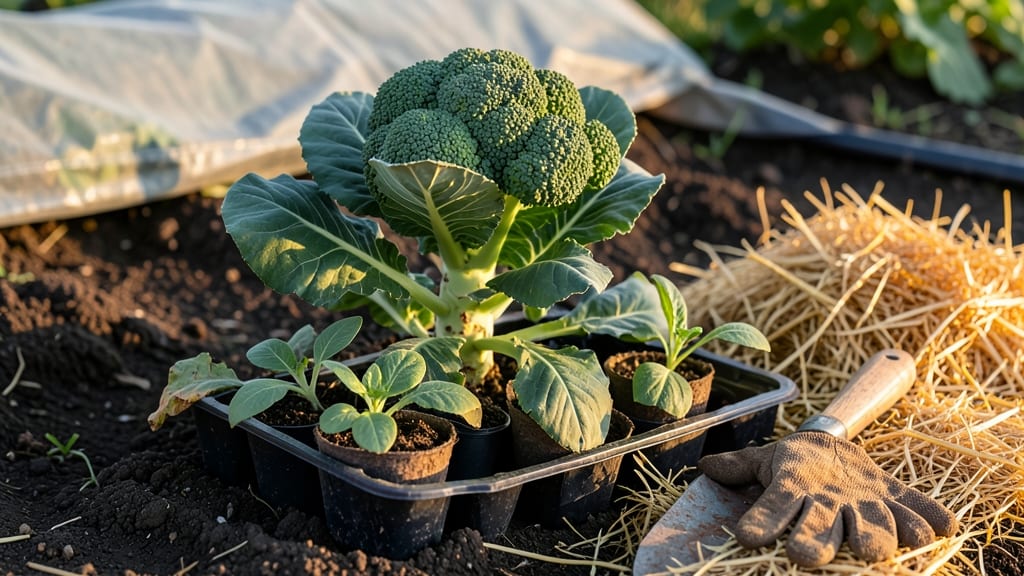
Planting a fall garden in North Carolina starts 8–12 weeks before your first frost—a window that shifts dramatically from the Coastal Plain to the Mountains.
Timing your North Carolina fall garden correctly can mean the difference between a thriving harvest and a disappointing one—especially with the state’s diverse microclimates and shifting weather patterns.
In the Piedmont, where frosts hit by late November, you’ll want to get leafy greens like kale and spinach in the ground by mid-August to avoid bolting.
Meanwhile, Coastal gardeners have a few extra weeks to play with, but heat-loving crops like sweet potatoes need to be planted by early September.
Below, I break down the exact planting dates for each NC region, the best crops for your zone, and how to prep your soil for a successful fall harvest—before the first frost arrives.
NC fall planting dates by region: Coastal vs Piedmont vs Mountains
North Carolina's fall planting windows vary dramatically between regions, so knowing your microclimate is key to success. The Coastal Plain enjoys milder winters, while the Mountains face earlier frosts—sometimes 6 weeks apart.
Even within these zones, soil temperatures and last frost dates shift yearly, making precise timing essential for a productive harvest.
For most NC gardeners, the fall planting season begins in late July and extends through September, but your exact window depends on elevation and proximity to the coast. Heat-loving crops like sweet potatoes should go in early, while cool-season greens like spinach need to be planted closer to frost.
Let’s break down the ideal schedules for each region to help you plan with confidence.
In the Coastal Plain, where winters are 3–4°F warmer than inland, you can push your fall garden later into September. Crops like collards and turnips thrive with 60–65°F soil, so don’t wait until August—start seeds indoors in late June for a head start.
The extended growing season here also allows for double-cropping heat-tolerant greens like swiss chard after harvesting early summer crops.
Gardeners in the Piedmont face a tighter window due to cooler nights and earlier frosts. Aim to plant cool-season crops like broccoli and carrots by mid-August to ensure they mature before late November.
Soil temperatures here drop faster, so use a soil thermometer to confirm 55–60°F before sowing. If you miss the window, opt for fast-maturing varieties like radishes (25–30 days) or bush beans (50–60 days).
The Mountains present the biggest challenge, with early December frosts cutting the season short.
Prioritize quick-harvest crops like lettuce (30–40 days) and peas (60–70 days), and plant them by late July at the latest. Garlic and potatoes are exceptions—they benefit from cool soil and can be planted as late as September for a spring harvest.
Use row covers to extend the season by 2–3 weeks if frost threatens early.
Regardless of your region, soil preparation is non-negotiable. NC’s fall rains can compact soil, so amend with compost 2–3 weeks before planting to improve drainage. Add a 2–3 inch layer of mulch after sowing to retain moisture and suppress weeds.
In the Coastal Plain, focus on organic matter to prevent salt buildup from coastal winds, while Mountains gardeners should prioritize stone-free soil to avoid damage from winter freeze-thaw cycles.
Pro tip: Use NC State Extension’s Frost Calculator (https://climate.ncsu.edu/frost) to track local frost dates annually—they can vary by 1–2 weeks from the averages. For example, Asheville might see frost 10 days earlier than Raleigh in a given year.
Adjust your planting dates accordingly, and don’t forget to harden off seedlings for 7–10 days before transplanting to avoid shock from temperature swings.
One common mistake is assuming all fall crops can handle frost—while kale and spinach sweeten after a light freeze, cucumbers and squash will bolt. Save these for early summer or opt for winter squash varieties like Butternut, which store well and tolerate light frosts.
Always check seed packets for days to maturity and count backward from your first frost date to avoid disappointment.
With these regional guidelines
Best fall crops for NC gardens: heat-tolerant vs cold-resistant varieties
North Carolina’s fall garden success hinges on choosing the right crops for your region’s climate. The Coastal Plain stays warmer longer, while the Mountains face earlier frosts. Selecting heat-tolerant varieties in the south and cold-hardy types in the north ensures a productive harvest.
Let’s break down the best options for each zone and how to maximize your fall garden’s potential.
For Coastal NC, where summer lingers into October, prioritize crops that thrive in 80–90°F soil. Sweet potatoes and okra are top performers, followed by heat-loving greens like Swiss chard.
In the Piedmont, where temperatures drop faster, broccoli and carrots shine, while the Mountains favor cold-resistant crops like kale and spinach. Understanding these regional differences is key to avoiding wasted effort and poor yields.
My Coastal NC garden thrives with sweet potatoes planted in early August—they need 90–110 days to mature before frost. For faster harvests, try radishes, which mature in just 25 days and tolerate light frosts.
In the Piedmont, I’ve had great success with broccoli planted in late August, using row covers to extend the season into November. These crops balance heat tolerance and cold resistance perfectly for the region.
For Mountains gardeners, focus on cold-hardy crops like garlic and kale. Plant garlic in October for a spring harvest, as it thrives in winter’s chill. Kale, another 10/10 cold-resistant crop, can be harvested well into winter with proper mulching.
To extend harvests, use low tunnels or row covers—these simple tools can add 2–4 weeks to your growing season in all NC regions.
Pro tip: Always check your local frost dates—they vary by 1–2 weeks across NC. For example, the Coastal Plain typically sees its first frost in mid-November, while the Mountains can expect frost as early as late October.
Adjust your planting schedule accordingly to avoid bolting or bitter flavors in leafy greens. Start with fast-maturing varieties if you’re unsure about frost timing.
Don’t overlook soil preparation—fall gardens benefit from well-amended soil with compost or aged manure. Test your soil’s pH (ideal for most fall crops is 6.0–7.0) and adjust with lime or sulfur if needed.
In Coastal areas, where soil can stay warm, add organic mulch to retain moisture and prevent weeds. In cooler Mountains regions, use straw mulch to insulate roots from temperature swings.
With the right crops and timing, your NC fall garden can be just as productive as your spring or summer plots. Start with the heat-tolerant or cold-hardy varieties recommended for your region, and don’t hesitate to experiment with season extenders. Happy planting—your winter table will thank you! 🌱