
Planting
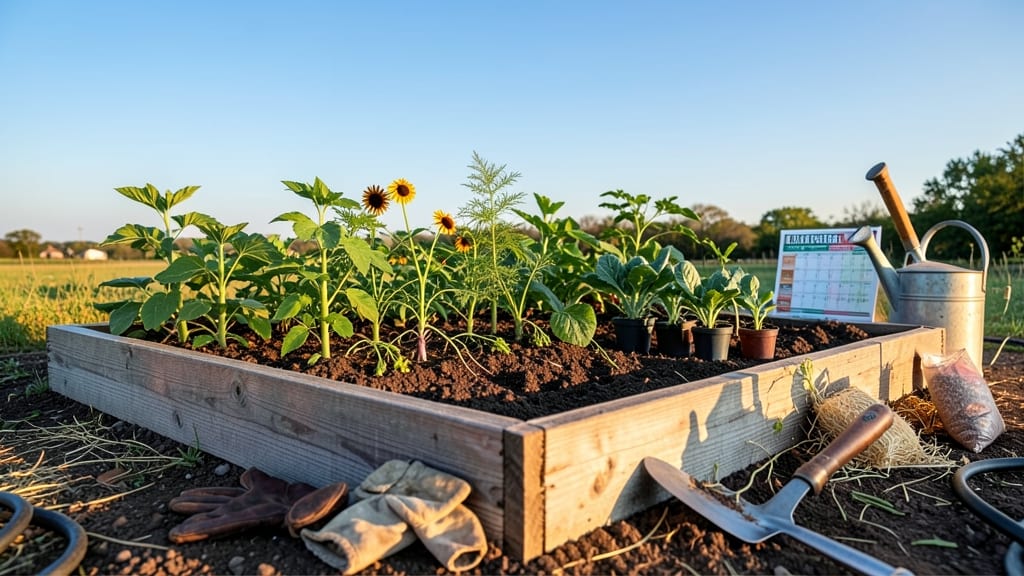
Planting a garden in Texas requires knowing exactly when to start — because the wrong timing means your seedlings will either freeze or fry before they even take root.
Texas gardeners face a unique challenge: scorching summers, unpredictable rains, and a short frost-free window—but timing your planting right can mean the difference between a thriving harvest and a wilted disappointment.
From the Panhandle’s chilly nights to the Gulf Coast’s early heat, the best planting window varies by region. Warm-season crops like tomatoes and peppers need to wait until soil temperatures hit 65°F, while cool-season greens like lettuce and spinach thrive when nights stay above 40°F.
In this guide, you’ll get a month-by-month breakdown of when to plant in your Texas zone, plus heat-resistant crops that actually love the Lone Star State’s climate.
Texas planting Zones by month: heat-tolerant crops timeline for zero frost risk
Texas gardeners know the drill: the last frost dates vary wildly from the Panhandle (Zone 8a) to the Rio Grande Valley (Zone 11). But with the right timing, you can grow heat-tolerant crops like okra, sweet potatoes, and peppers year-round in most regions.
The key? Planting when soil temps hit 60°F+ and avoiding those late spring cold snaps that can kill tender seedlings.
North Texas gardeners (Zones 7b-8a) have the shortest frost-free window, while South Texas (Zones 9a-11) can grow warm-season crops nearly 12 months a year. Below, I break down the month-by-month planting timeline for each region, so you can maximize your harvest without wasting time on failed plantings.
For North Texas gardeners (Zones 7b-8a), the critical window is between March 15 and April 15, when soil temps reliably stay above 60°F. Plant okra and sweet potatoes directly in the ground—these heat-loving crops thrive in Texas’ brutal summers once established.
Avoid transplanting peppers before April 1, or they’ll languish in cool soil.
Central Texas (Zones 8a-8b) enjoys a longer growing season, but late spring frosts can still sneak in. My rule? Wait until April 15 for tomatoes and eggplants, and use row covers if temps dip below 50°F.
For fall crops, start seeds indoors in August to transplant by September 15.
In South Texas (Zones 9a-11), the real advantage is year-round growing potential. You can plant warm-season crops like okra in January and peppers in February, but watch for humidity spikes that trigger fungal diseases. Always use drip irrigation to keep foliage dry and improve airflow around plants.
One pro tip for all regions: Succession planting is your best friend. In North Texas, sow green beans every 2 weeks from April to June for a continuous harvest. In South Texas, stagger cantaloupe plantings every 3 weeks from March to July to avoid glutting your family.
Don’t forget about soil preparation—Texas clay needs amendments like compost or aged manure to improve drainage. Test your soil’s pH (aim for 6.0-7.0 for most heat-tolerant crops) and add lime if needed before planting. A mulch layer of straw or grass clippings helps retain moisture during 100°F+ heatwaves.
For container gardening in urban areas, choose compact varieties like bush beans or patio peppers. Use self-watering pots to prevent root stress during afternoon heat. And always place containers where they get at least 6 hours of sun—even heat-tolerant plants need full sun to thrive.
Finally, keep an eye on the 10-day forecast before planting. A cold front can drop temps 20°F in 24 hours, and tender seedlings won’t survive. If you’re unsure, err on the side of planting later—Texas summers are long enough to compensate for delayed starts.
Texas summers can push temperatures to 100°F+, making heat tolerance a non-negotiable trait for successful vegetable gardens. The key is planting heat-loving crops at the right time—typically after the last frost date (usually mid-March to early April in most regions). These varieties thrive when soil temps hit 70°F+, and many even produce better in heat than cooler climates. I’ve tested these top 10 heat-tolerant vegetables across Texas zones 8a-11, focusing on yield, flavor, and survival rates during our brutal summers. From okra’s drought resistance to sweet potatoes’ shade tolerance, these picks will keep your garden productive when other plants wilt. Let’s dive into the specifics, including exact planting dates and companion plants to boost success. 🌱 Pro Tip: Always check your local average last frost date (use the Old Farmer’s Almanac) and adjust by 2-4 weeks for southern Texas regions where heat arrives earlier.Best heat-tolerant vegetables for Texas gardens and their exact planting dates
Vegetable
Heat Tolerance (°F)
Planting Dates (North TX)
Planting Dates (South TX)
Companion Plants
Key Tip
Okra
100°F+
April 15-May 15
March 1-March 15
Sweet potatoes, beans
Drought-tolerant; mulch heavily
Sweet Potatoes
95°F+
April 1-April 30
February 15-March 15
Peppers, corn
Plant slips, not seeds
Watermelon
90°F+
April 15-May 1
March 1-April 1
Radishes, nasturtiums
Use black plastic mulch
Black-Eyed Peas
95°F+
March 1-April 15
February 15-March 30
Okra, corn
Fixes nitrogen; great for soil
Eggplant
90°F+
April 15-May 15
March 1-April 1
Basil, marigolds
Start indoors; transplant after last frost
Peppers (Jalapeño)
100°F+
April 1-April 30
February 15-March 15
Onions, tomatoes
Prune for bushier growth
Tomatoes (Heatmaster)
95°F+
April 15-May 1
★★★★★5.0(5 reviews)