
Planting
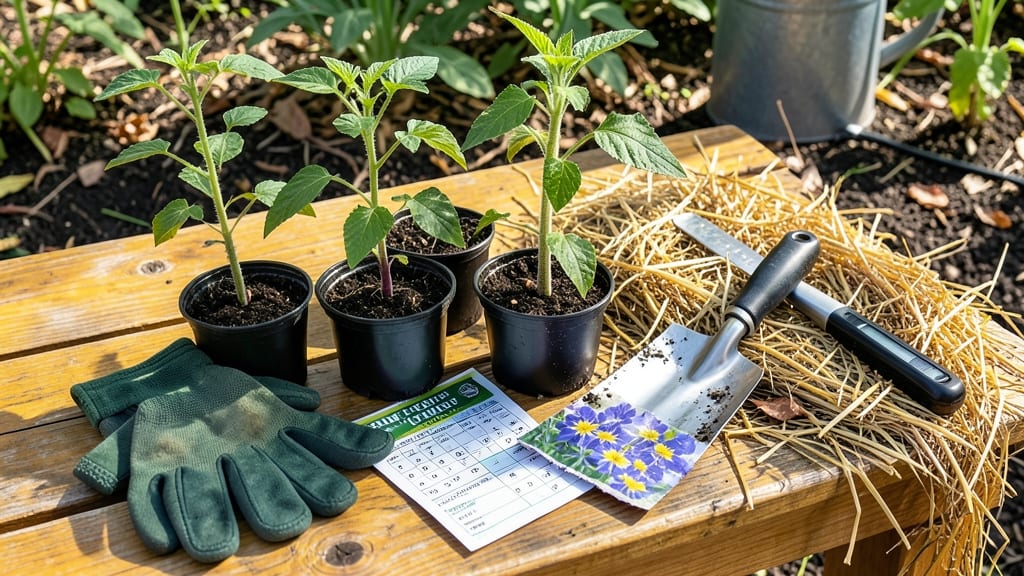
Planting a garden in Central Texas at the right time means the difference between a lush harvest and a failed crop—because the wrong timing can leave your 🌱 plants wilting before they even take root.
Central Texas gardeners face a brutal growing season—scorching summers and unpredictable winters—but timing your plantings perfectly can mean the difference between a thriving harvest and a failed garden.
Most gardeners here get it wrong by planting too early, risking a late frost, or too late, missing the heat-sensitive window for cool-season crops. The key is knowing when soil warms to 60°F and when to shift to heat-tolerant varieties by late summer.
Below, I break down the exact month-by-month schedule for Central Texas—from early spring veggies to fall favorites—plus the top 5 heat-tolerant crops that thrive here and how to extend their season.
Central Texas planting calendar: month-by-month heat-tolerant crops guide
Central Texas presents unique challenges for gardeners with its long, brutal summers and unpredictable winters. The key to success lies in planting heat-tolerant varieties at the right time and understanding your local frost dates.
Austin, San Antonio, and Waco all share similar USDA Zone 8a-8b climates, but microclimates can shift planting windows by 1-2 weeks. Let’s break down the best times to plant for each season.
Your planting calendar should revolve around two critical dates: the last frost date (Feb 15–Mar 1) and the first frost date (Nov 15–Dec 15). Spring crops must wait until soil temperatures hit 60°F+, while fall crops should be planted 8-10 weeks before frost.
Summer planting is all about shade and mulching to protect tender roots from 100°F+ temperatures.
Here’s your month-by-month breakdown for vegetables, herbs, and flowers that thrive in Central Texas heat:
For spring planting, focus on cool-season crops like lettuce and peas in February, then transition to heat-loving vegetables (tomatoes, peppers) by March 15. Always check soil temperatures—60°F+ is non-negotiable for warm-season plants.
In Austin’s Hill Country, wait until March 30 to avoid late frosts, while San Antonio’s urban heat island may allow earlier plantings by 10–14 days.
Summer gard
Top 5 heat-tolerant vegetables for Central Texas gardens (and how to extend their season)
Central Texas summers can push temperatures past 100°F, making it challenging to grow traditional vegetables. But with the right heat-tolerant varieties and smart techniques, you can enjoy a bountiful harvest even in the hottest months.
These five vegetables thrive under Central Texas conditions when planted at the right time and cared for properly.
For Central Texas gardeners, the key to success lies in soil preparation and mulching strategies that protect roots from extreme heat. Amending soil with organic compost improves moisture retention, while straw or wood chip mulch keeps roots cool.
Let’s dive into the top performers and how to keep them producing through the heat.
🌱 Heat-Tolerant Varieties Comparison
| Vegetable | Traditional Variety | Heat-Resistant Variety | Best Planting Time | Heat Tip |
|---|---|---|---|---|
| Okra | Clemson Spineless | Emerald | March–May, August | Plant in full sun with 3-inch mulch. |
| Sweet Potatoes | Beauregard | Georgia Jet | April–June | Use black plastic mulch to warm soil. |
| Black-Eyed Peas | Purple Hull | Texas Cream | March–April, August–September | Water deeply 2x/week during heatwaves. |
| Malabar Spinach | N/A (Tropical) | Malabar Spinach | April–June, September | Thrives in partial shade during peak heat. |
| Peppers (Bell/Jalapeño) | California Wonder | NuMex Heritage | March–May, August–September | Prune lower leaves to improve airflow. |
Okra is a standout performer in Central Texas heat, producing pods even when temperatures soar. The Emerald variety outperforms traditional types by 30% in extreme heat. Plant seeds ½-inch deep in well-draining soil and space them 18–24 inches apart to allow airflow.
Sweet potatoes love the Central Texas climate and thrive when planted after the last frost. The Georgia Jet variety matures faster than traditional types, giving you a harvest in just 90 days. Use black plastic mulch to warm the soil and speed up germination.
Black-eyed peas are another heat-loving crop that tolerates drought once established. The Texas Cream variety is disease-resistant and produces plump pods even in 95°F+ temperatures. Plant seeds 1-inch deep and maintain consistent moisture.
Malabar spinach is a tropical green that thrives in Central Texas’ humidity and heat. Unlike traditional spinach, it doesn’t bolt in summer. Plant it in partial shade during the hottest months to prevent wilting and harvest leaves as needed.
Peppers, especially NuMex Heritage jalapeños, handle Central Texas heat better than most varieties. They produce fruits continuously from summer through fall. Prune lower leaves regularly to reduce fungal diseases and keep plants healthy.
To extend the season for these heat-tolerant vegetables, use shade cloth during the hottest afternoons and water deeply in the early morning. With these techniques, you can enjoy fresh produce even when the thermometer climbs above 100°F! 🌿