
Planting
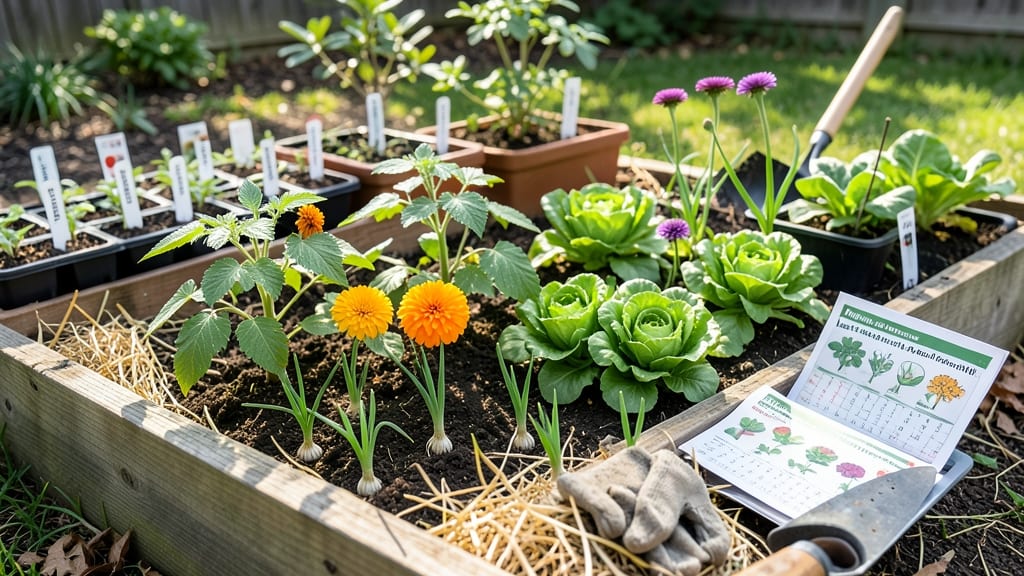
To plant a garden in Ohio, time your seeds and seedlings between mid-April and early June—when soil temperatures rise and frost risks fade, but before summer heat arrives.
Ohio’s unpredictable spring weather can turn your gardening dreams into a guessing game—unless you know the exact frost-free dates and best planting windows for your zone.
Whether you’re in USDA Zone 5b (northern Ohio) or Zone 6b (southern Ohio), the difference between a bountiful harvest and a failed crop often comes down to when you put seeds in the ground.
Below, I break down the ideal planting schedule for cool-season crops (like spinach and peas) that thrive in early spring, warm-season favorites (tomatoes and peppers) that need summer heat, and how to adjust for Ohio’s microclimates—including the Lake Erie effect that delays frost in coastal areas.
Ohio frost-free dates by zone: when to start planting cool vs warm season crops
Ohio spans USDA zones 5b-6b, meaning frost dates vary by region—critical for timing your cool-season and warm-season crops. Northern Ohio (zone 5b) typically sees its last frost around May 15, while southern Ohio (zone 6b) averages April 25.
These dates shift yearly, but historical data helps you plan with confidence.
For cool-season crops like spinach, peas, and lettuce, you can start seeds 4-6 weeks before your last frost. In zone 5b, that means early April for hardy greens, while zone 6b gardeners can begin late March.
These plants thrive in 50-65°F soil and tolerate light frosts—ideal for Ohio’s early spring.
Warm-season crops (tomatoes, peppers, corn) demand soil temperatures above 60°F and should wait until 2 weeks after your last frost. In zone 5b, that’s typically late May, while zone 6b can plant early May. Starting these indoors in March-April gives them a head start.
Here’s a quick reference for Ohio’s frost-free dates by zone, including cool-season planting windows and warm-season safe dates:
| Zone | Avg. Last Frost | Cool-Season Planting | Warm-Season Planting | 2024 Projection |
|---|---|---|---|---|
| 5b (Northern OH) | May 15 | Early April | Late May | May 10-20 |
| 6a (Central OH) | April 25 | Late March | Early May | April 20-May 5 |
| 6b (Southern OH) | April 15 | Mid-March | Mid-April | April 5-15 |
For zone 5b gardeners (like those in Cleveland or Toledo), I recommend planting peas and spinach in early April under frost cloth to protect tender seedlings. In zone 6b (Cincinnati or Columbus), you can push the envelope with lettuce and radishes in late February for an early harvest.
Warm-season crops like tomatoes and peppers should never go into cold soil. Use a soil thermometer to confirm temperatures above 60°F before transplanting. In zone 5b, this usually means waiting until June 1—even if frost-free dates suggest earlier planting.
Ohio’s Lake Erie effect can delay frost in coastal areas (like Sandusky) by 1-2 weeks. If you’re near the lake, monitor local weather forecasts and adjust your warm-season planting by 7-10 days later than inland zones.
Pro tip: Succession plant cool-season crops every 2 weeks from April to July for continuous harvests. For warm-season crops, consider fast-maturing varieties (like Early Girl tomatoes) to squeeze in a second planting by July 15 for a fall harvest.
Always keep a frost watch kit (or sign up for NOAA alerts) to adjust your planting timeline if late frosts threaten. With Ohio’s 100+ frost-free days, timing is everything for a bountiful harvest. 🌱
Best planting schedule for Ohio’s top 10 vegetables: month-by-month guide
Ohio’s diverse microclimates mean your planting schedule should adjust based on whether you’re in northern Columbus (Zone 5b) or southern Cincinnati (Zone 6a). Warm-season crops like tomatoes and peppers need to wait until after the last frost, while cool-season crops like lettuce and peas can handle early spring plantings.
Here’s my proven month-by-month schedule for Ohio’s most productive vegetables.
For direct-sown crops (like beans and carrots), you’ll want to start as soon as the soil reaches 50°F—usually late April in southern Ohio and early May in the north. Transplants (tomatoes, peppers) need warmer soil, ideally 60°F+, which typically arrives in mid-May.
I’ve included succession planting tips to maximize your harvest with minimal space.
Succession planting is key for continuous harvests. For example, sow lettuce every 2 weeks from April through July to avoid bolting. In northern Ohio, I recommend waiting until May 15 for tomatoes, while southern Ohio gardeners can plant them by May 1. Always check your local frost-free date—Columbus averages April 20, while Cincinnati is typically April 5.
For warm-season crops like tomatoes and peppers, I start seeds indoors in February for transplants ready by mid-May. If you miss that window, opt for fast-maturing varieties like 'Early Girl' tomatoes (65 days) or 'Jalapeño' peppers (70 days).
These varieties give you a second harvest before Ohio’s first frost in October-November.
Don’t forget about fall planting! Cool-season crops like kale, spinach, and radishes thrive in Ohio’s fall temperatures. I plant these in late July-August for harvests through October. Use row covers to extend the season by 2-3 weeks and protect from early frosts.
Pro tip: Keep a planting journal to track your local frost dates and adjust future schedules. Ohio’s microclimates mean your neighbor’s successful tomato crop might not work for you—always test your soil and monitor weather forecasts in April and October.