
Planting
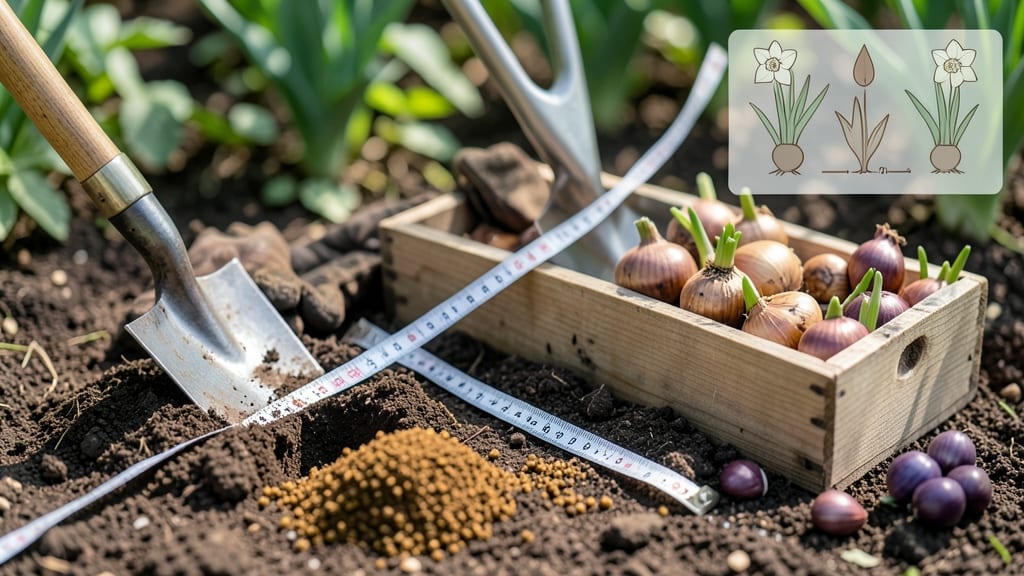
Planting bulbs in your garden at the wrong time can mean waiting months—or even years—for those vibrant blooms to appear.
You’ve probably seen stunning spring displays and wondered, Why don’t my bulbs ever come up? The answer lies in timing: most bulbs need a cooling-off period before they’re ready to burst into color.
For USDA Zone 6a, that means digging in the ground 4-6 weeks before the first frost—usually between mid-September and late October for fall plantings.
But here’s the catch: not all bulbs follow the same rules. Spring-flowering types like tulips and daffodils thrive when planted in fall, while summer-bloomers such as dahlias wait for early spring. And if you live in a warmer climate? Some bulbs prefer a different schedule entirely.
In this guide, I’ll break down the exact frost-date formula for foolproof blooms, plus a seasonal planting calendar tailored to your zone. No more guesswork—just zero-miss timing for a garden that wows every season.
How to calculate your perfect bulb planting dates using frost dates
Planting bulbs at the wrong time can mean waiting months—or even years—for blooms. The key to success is understanding your local frost dates and soil temperatures. Most spring-flowering bulbs need 6-8 weeks of cold dormancy before they’ll bloom.
Summer-flowering bulbs, like dahlias, follow a different rule: plant them after your last frost date when soil warms. Let’s break down the exact steps to calculate your perfect planting window.
First, find your average last frost date and first frost date for your region. The USDA Plant Hardiness Zone Map is a great starting point, but for precision, check your local weather station or extension service.
For example, in USDA Zone 6a, the last frost is typically around April 15, while the first frost hits October 30. These dates create your planting window.
For spring-flowering bulbs (like tulips and daffodils), aim to plant them 4-6 weeks before the ground freezes. This ensures they get enough cold to trigger blooming. In Zone 6a, that’s usually late September to early October.
If you miss this window, don’t panic—you can also plant them in early spring, just as the ground thaws, but blooms may be delayed.
Now, let’s talk soil temperature thresholds. Most bulbs need soil to be below 60°F (15°C) for planting. The 40°F/4°C rule is another guideline: once soil drops to this temperature consistently, it’s time to plant.
Use a soil thermometer to check—this small tool will save you from guesswork and wasted bulbs.
For summer-flowering bulbs (like cannas or dahlias), the rule flips. Plant them after your last frost date when soil is at least 60°F (15°C). In Zone 6a, that’s usually mid-May.
These bulbs thrive in warmth and won’t tolerate cold soil, so wait until the ground is reliably warm before digging in.
Adjust for your early or late frost zone. If you’re in Zone 5 (colder winters), plant spring bulbs even earlier—aim for late August to September. In Zone 7 (warmer winters), you might extend your window until early November.
Always err on the side of planting too early rather than too late, as bulbs can handle a little extra cold but won’t survive if planted in freezing soil.
Use a planting calendar to track your progress. Mark your last frost date, first frost date, and ideal planting windows. For example, if your last frost is April 15, summer bulbs should go in by mid-May.
If your first frost is October 30, plant spring bulbs by late September. Pro tip: Set reminders on your phone or use a garden journal to log these dates yearly.
Don’t forget to adjust for microclimates. A south-facing slope warms up faster than a shady spot, so bulbs planted there may need to go in a week or two earlier.
Conversely, low-lying areas or north-facing gardens stay colder longer—delay planting until soil temperatures confirm it’s safe. A soil thermometer is your best friend here!
Finally, test your soil before planting. Bulbs thrive in well-draining soil with a pH between 6.0 and 7.0. If your soil is heavy clay or sandy, amend it with compost or organic matter to improve drainage.
Poor soil conditions can stress bulbs, delaying or preventing blooms entirely. A simple soil test kit (available at garden centers) will give you the data you need.
With these steps, you’ll never miss the perfect planting window again. Whether you’re a beginner or a seasoned gardener, nailing your frost dates and soil temps ensures your bulbs will reward you with vibrant blooms year after year. Happy planting! 🌷
Best bulbs to plant by season: fall vs. spring planting schedule
Planting bulbs at the right time ensures vibrant blooms and healthy growth. Most gardeners focus on fall planting for spring flowers, but some bulbs thrive when planted in early spring. Understanding your USDA zone and local frost dates is key—let’s break it down by popular bulb types and seasons.
For spring-flowering bulbs like tulips and daffodils, aim to plant in fall (6-8 weeks before ground freezes). In USDA zones 3-7, this means September-October, while zones 8-10 can plant until November. Summer-dormant bulbs like dahlias and cannas, however, wait for spring planting after the last frost.
Comparison Table: Fall vs. Spring Planting Schedule
| Bulb Type | Best Planting Season | USDA Zones | Planting Month | Key Notes |
|---|---|---|---|---|
| Tulips | Fall | 3-10 | September-November | Plant 6-8" deep; avoid soggy soil |
| Daffodils | Fall | 3-10 | October-November | Deer-resistant; naturalize easily |
| Crocuses | Fall | 3-9 | September-October | Early bloomers; great for pollinators |
| Alliums | Fall | 4-9 | September-October | Dramatic spherical blooms; full sun |
| Dahlias | Spring | 7-11 | March-April (after frost) | Tuberous; needs warm soil to sprout |
| Hyacinths | Fall | 4-9 | October-November | Fragrant; plant in clusters |
| Lilies | Spring/Fall | 3-10 | Spring: March-April Fall: September-October |
Deer-resistant; tall varieties need staking |
| Calla Lilies | Spring | 8-11 | March-April | Tropical; plant after last frost |
In USDA zones 3-5, where winters are harsh, prioritize fall planting by early October to give bulbs time to root before freezing. In zones 8-10, you can extend planting into December for spring blooms, but avoid planting when soil temperatures drop below 60°F (15°C).
For summer-flowering bulbs like cannas and gladiolas, wait until after your last frost date in spring. These bulbs need warm soil (65°F/18°C+) to sprout successfully. In warmer climates, you can even plant them in late winter for earlier blooms.
Pro tip: Use a soil thermometer to check temperatures—most bulbs need 40-60°F (4-15°C) soil for optimal root growth. If your soil is too warm or cold, adjust your planting schedule accordingly.