
Planting
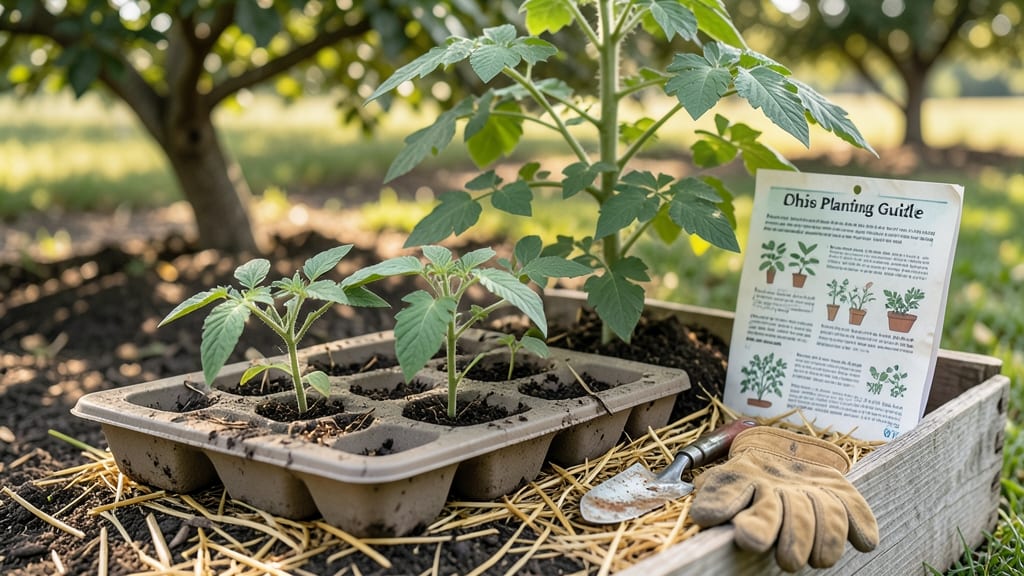
You should plant a garden in Ohio when the last frost date passes—typically between mid-April and early May, depending on your microclimate.
Ohio’s unpredictable spring frost can turn your gardening dreams into a risky gamble—unless you know the exact planting windows for your microclimate. Get it wrong, and your tomatoes might freeze before fruiting; get it right, and you’ll enjoy a bumper harvest with zero frost-related stress.
This isn’t just about guessing when to plant—it’s about matching your USDA Zone (5-7) with the right crops and timing. Whether you’re growing frost-sensitive tomatoes or hardy lettuce, understanding your local frost dates and soil temperatures is the key to success.
In this guide, I’ll walk you through Ohio-specific planting schedules, microclimate adjustments, and actionable tips to ensure your garden thrives—no matter where you are in the state.
Ohio planting zones: when to start seeds indoors vs. direct-sow for zero-frost crops
Ohio spans USDA Zones 5-7, meaning your planting timeline depends heavily on whether you're in southern Ohio (Zone 6-7) or northern Ohio (Zone 5). The last average frost date varies dramatically—from mid-April in Cincinnati to late May in Cleveland.
Knowing these dates is critical for zero-frost-risk crops like tomatoes and peppers, which can't survive even light frost.
For frost-sensitive crops, starting seeds indoors is your best bet. Begin 6-8 weeks before your last frost date—so if your frost date is April 15, start seeds by February 15.
This gives seedlings enough time to mature before transplanting outdoors. Direct-sowing hardy crops like peas and lettuce can wait until soil temps hit 40°F+, often 2-4 weeks before last frost.
Here’s how Ohio’s county-by-county frost dates break down for key regions:
| Region | Last Avg. Frost | Start Indoors (Tomatoes/Peppers) | Direct-Sow (Lettuce/Radishes) |
|---|---|---|---|
| Southern Ohio (Cincinnati, Columbus) | April 15 | Feb 15 - Mar 1 | Mar 15 - Apr 1 |
| Central Ohio (Dayton, Lima) | April 22 | Feb 20 - Mar 5 | Mar 20 - Apr 5 |
| Northern Ohio (Toledo, Cleveland) | May 5 | Mar 15 - Apr 1 | Apr 15 - May 1 |
| Northeast Ohio (Akron, Youngstown) | May 10 | Mar 20 - Apr 5 | Apr 20 - May 5 |
For cold-hardy crops like peas, spinach, and radishes, you can direct-sow as soon as soil is workable—often 2-4 weeks before last frost.
These plants thrive in cooler temps (35°F-50°F) and can even tolerate light frost. Peas, for example, can handle 28°F without damage, making them ideal for early spring sowing.
If you’re growing tender crops like cucumbers or basil, wait until after last frost and ensure soil temps are at least 60°F. Use a soil thermometer to confirm—cool soil stunts growth.
For southern Ohio, this might mean late April, while northern Ohio could push planting to early June.
Pro tip: Use row covers or cold frames to extend your growing season for heat-loving crops. For example, you can direct-sow cucumbers in late May in Zone 6 with a cover, then remove it once temps stabilize. This adds 2-3 weeks of growing time without risking frost damage.
For perennials like asparagus or strawberries, plant in early spring (March-April) in Zone 5-6 or fall (September-October) for established roots before winter. These crops need time to establish, so don’t rush—patience pays off with larger harvests in future years.
Always check local weather trends—some years, frost lingers 2 weeks late, while others see early warm spells. Use Almanac’s frost predictor or your local Cooperative Extension office for real-time updates.
Adjust your timeline by 1-2 weeks if needed, but don’t wait too long for short-season crops like bush beans.
Remember: Soil temperature matters more than air temperature. Use a soil thermometer to confirm 50°F+ for most veggies and 60°F+ for warm-season crops. Cold soil slows germination and stunts growth—don’t skip this step! 🌱
Microclimate hacks: adjusting planting times for urban, rural, and lake-effect zones in Ohio
Ohio’s diverse geography creates microclimates that can shift planting windows by weeks. Urban areas like Columbus often experience heat islands that warm soil earlier, while rural spots near Appalachia may stay colder longer.
Then there’s Lake Erie’s warming effect, which can push spring planting dates back near coastal areas like Cleveland.
Even within the same county, your backyard might behave differently than your neighbor’s. A south-facing slope warms up faster than a north-facing valley, and a windy ridge can delay planting by creating cold air pockets.
Understanding these variations lets you fine-tune planting schedules for zero frost risk and maximum yield.
🌱 3-Step Microclimate Checklist for Ohio Gardeners
-
1. Test Soil Temperature
Use a soil thermometer—ideal temps for planting range from 50°F (cool crops) to 60-70°F (warm crops). Urban soils hit these thresholds 1-2 weeks earlier than rural areas. -
2. Assess Wind & Water Exposure
Areas within 1 mile of Lake Erie stay 3-5°F warmer in spring. Conversely, windbreaks (fences, hedges) can delay frost by 5-10 days in exposed rural zones. -
3. Adjust Planting Dates
Urban: Plant tomatoes/peppers 7-10 days earlier than standard guides.
Rural: Wait 5-7 days longer for frost-sensitive crops.
Lake-effect: Extend fall planting by 2-3 weeks near shorelines.
For example, if standard guides say to plant tomato seeds indoors in mid-March, adjust to late February in urban Cincinnati but wait until early April in rural Athens. Similarly, cucumbers thrive 10 days earlier near Toledo’s lake breeze compared to inland areas.
Pro tip: Use frost-free date maps from Ohio State Extension as your baseline, then add/subtract 5-14 days based on your microclimate. For Lake Erie zones, check NOAA’s Great Lakes water temps—warmer lake water = delayed frost.
My Cleveland garden consistently gets a 2-week extension for fall crops thanks to this trick.
Don’t forget succession planting in microclimates! If your urban patio warms up faster, stagger lettuce or radish plantings every 2 weeks to ensure continuous harvests. Meanwhile, rural gardeners can use row covers to push spring planting 3 weeks earlier in cold pockets.
Start with these adjustments, and you’ll outsmart Ohio’s weather—no more frozen seedlings or missed harvests. The key is local observation** paired with data. Grab that soil thermometer and happy planting! 🌱