
Planting
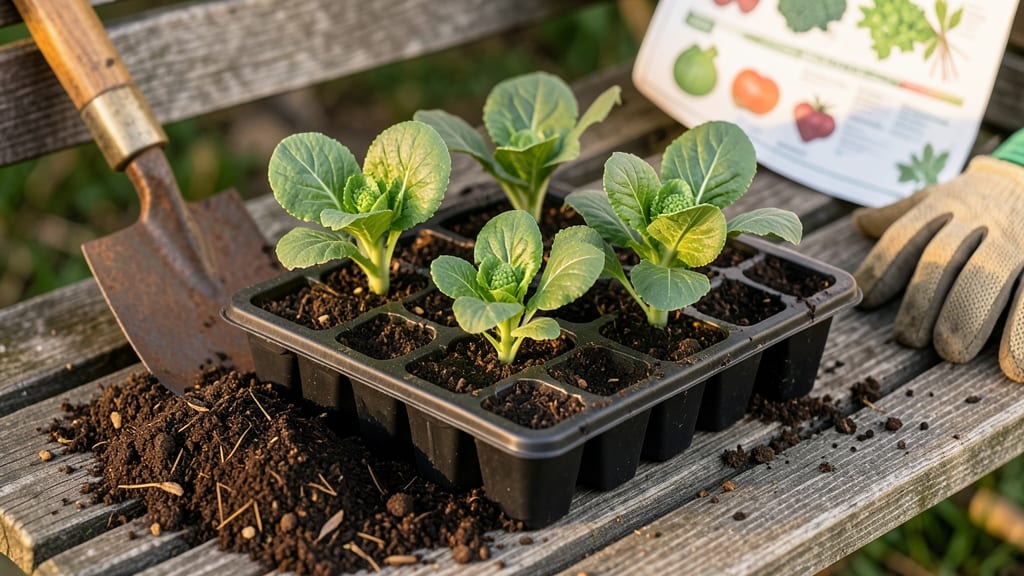
To plant a fall garden in Zone 7, start seeds indoors by mid-July and transplant seedlings by late July to early August—timing that ensures frost-free harvests before winter sets in.
Missed your spring planting window? Zone 7 gardeners can still grow a thriving fall harvest—if you plant at the exact right time to avoid early frosts and maximize yields. The difference between a bountiful autumn garden and a failed experiment often comes down to these precise deadlines.
Fall crops like kale, spinach, and carrots thrive in cooler weather, but they need 60 to 90 days to mature. Planting too late risks frost damage, while starting too early can lead to bolting or poor yields.
Below, I’ll break down the best planting windows for popular fall vegetables, soil prep tips, and how to adjust for your local microclimate.
You’ll also discover how to calculate your first frost date, avoid common mistakes, and create a personalized planting schedule that guarantees a zero-frost-risk harvest. Let’s get those seeds in the ground at the perfect time!

Zone 7 fall planting deadlines by crop type: avoid frost and maximize harvests
Fall gardening in Zone 7 offers a second chance for harvests, but timing is everything. The first frost typically arrives between October 15-30 in Zone 7a and November 1-15 in Zone 7b, leaving a narrow window for cool-season crops to mature.
Warm-season holdovers like tomatoes and peppers need even earlier starts to avoid stunted growth from cooler nights.
Understanding these crop-specific deadlines ensures your plants reach maturity before frost. For example, leafy greens like kale and spinach can handle light frosts, while root vegetables such as carrots and beets need consistent warmth until harvest.
Below, I’ve broken down the last planting dates for both cool-season and warm-season crops, tailored to Zone 7’s microclimates.
🌱
| Crop Type | Zone 7a Last Planting Date | Zone 7b Last Planting Date | Days to Maturity | Notes |
|---|---|---|---|---|
| Cool-Season Crops | August 15 | September 1 | 30-60 days | Leafy greens, brassicas |
| Root Vegetables | August 1 | August 15 | 60-90 days | Carrots, beets, radishes |
| Warm-Season Holdovers | July 15 | July 31 | 50-80 days | Tomatoes, peppers, beans |
| Herbs | August 10 | August 25 | 45-75 days | Basil, cilantro, dill |
| Frost-Tolerant Crops | September 15 | October 1 | 20-50 days | Spinach, kale, arugula |
For cool-season crops, focus on planting by mid-August in Zone 7a and early September in Zone 7b.
These leafy greens and brassicas thrive in cooler temperatures and can even sweeten after a light frost. Root vegetables like carrots and beets need a head start, so aim to sow them by early August to avoid bolting or stunted growth.
Warm-season holdovers like tomatoes and peppers must be planted by mid-July in Zone 7a and late July in Zone 7b. These crops need 60-80 days of warm weather to mature, so don’t wait too long—cooler nights will slow their growth.
If you’re extending the season, consider using row covers or a cold frame to protect tender plants.
Herbs like basil and cilantro can also be planted in early fall, but they have shorter windows.
Basil, in particular, is sensitive to cold and should be sown by mid-August to avoid shock. Cilantro, on the other hand, often bolts in heat, making early fall an ideal time for it.
If you’re growing frost-tolerant crops like spinach or kale, you can push your planting window later. These hardy greens can handle light frosts and may even taste sweeter after a freeze. Plant them by mid-September in Zone 7a and early October in Zone 7b for a late harvest.
Pro tip: Use succession planting to extend your harvest. For example, sow a new batch of radishes every 2 weeks in August for a continuous supply. This strategy works well for fast-maturing crops like lettuce and arugula, ensuring you don’t miss the window for maturity.
Always check your local frost dates—they can vary slightly by microclimate. Urban areas, for instance, often experience urban heat islands that delay frost by a
How to calculate your exact fall planting schedule using first frost dates
Determining the perfect time to plant your Zone 7 fall garden starts with understanding your local first frost date. Unlike spring planting, where you work backward from last frost, fall gardening requires precise forward planning to ensure crops mature before killing frosts arrive.
Even a few days off can mean the difference between a harvest and a sad, wilted disappointment.
Most gardeners assume their USDA Zone 7 first frost occurs around October 15th, but the reality varies by microclimate—urban areas warm longer than rural spots, and elevation plays a role too.
For accurate timing, you’ll need to combine USDA frost maps, seed packet maturity dates, and local weather patterns. Let’s break it down step by step.
Step-by-Step Fall Planting Schedule Calculator
- 1 Find your first frost date: Use the USDA Plant Hardiness Zone Map to locate your Zone 7a/b boundaries, then check the National Weather Service or local cooperative extension service for your area’s average first frost date. For example, Raleigh, NC (Zone 7b) typically sees frost around November 1st, while Nashville, TN (Zone 7a) averages October 28th.
- 2 Adjust for crop maturity: Check the days to harvest on your seed packet or plant tag. Subtract this number from your first frost date to find your last planting window. For instance, if your first frost is November 1st and spinach takes 45 days to mature, plant by September 17th to harvest before frost.
- 3 Account for microclimates: If your garden sits in a sunny, sheltered spot (like near a south-facing wall), you may have 10–14 extra frost-free days. Conversely, low-lying areas or open fields can experience frost 2 weeks earlier. Use a minimum thermometer for 3 years to track your local patterns.
- 4 Plan for succession planting: Stagger plantings every 2–3 weeks for a continuous harvest. For example, sow lettuce on August 15th, September 1st, and September 15th to enjoy fresh greens through October and early November.
- 5 Use frost blankets: Extend your season by 2–3 weeks with frost cloth or row covers. This is especially useful for cold-hardy crops like kale or carrots, which can tolerate light frosts.
Pro tip: Indian summer (unseasonably warm spells in fall) can throw off your timing. In Zone 7, these often occur in late October, so keep a garden journal to note when warm spells align with your harvest windows.
For example, if you planted broccoli on September 1st and enjoyed an 80°F week in October, you might push your next planting to September 25th instead of sticking to the original schedule.
Once you’ve calculated your dates, create a personalized planting calendar using a spreadsheet or garden planner app. Include soil prep dates (4–6 weeks before planting), seed starting (if applicable), and harvest deadlines.
For Zone 7, aim to have all cool-season crops planted by mid-September to ensure they reach maturity before the first hard frost.
Remember, the key to a successful Zone 7 fall garden is precision. Even a 5-day delay can mean the difference between a full harvest and a frost-damaged crop.
By combining frost dates, crop maturity times, and local adjustments, you’ll create a planting schedule that maximizes your yield and minimizes waste. Happy planting! 🌱