
Planting
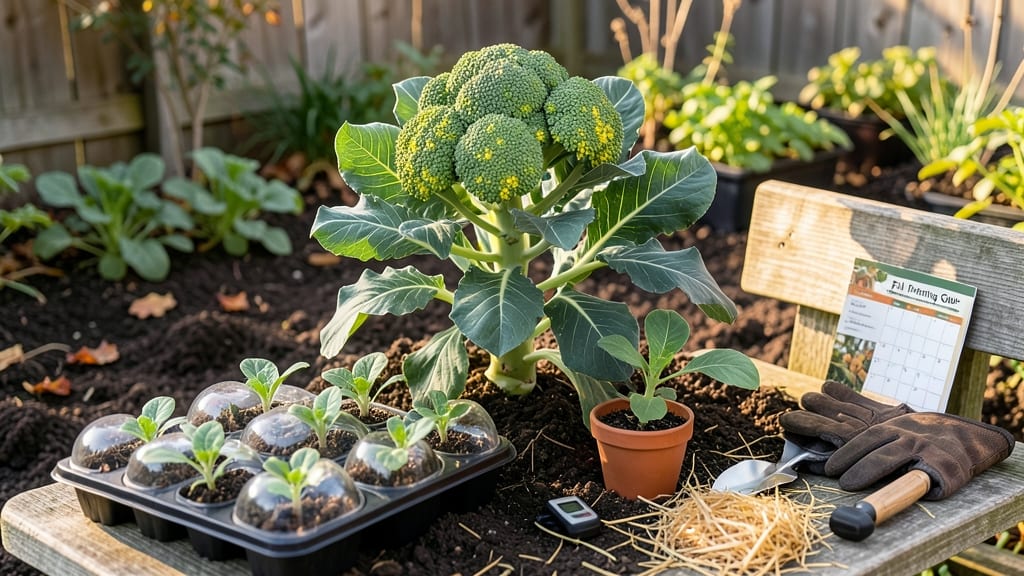
Planting your fall garden in Zone 7 between mid-August and early October is the key to a harvest that lasts through winter—if you nail the frost-date math.
Missed your spring planting window? Zone 7 gardeners can still grow a thriving fall harvest—if you time it perfectly. Avoid frost-killed crops by mastering the exact planting dates for your region's unique microclimate.
This isn’t just about avoiding a late frost—it’s about choosing the right crops for your 60-day growing window and knowing when to tuck in row covers or cold frames.
The wrong timing means bitter greens or bolted herbs, but get it right, and you’ll enjoy fresh kale and carrots straight from your garden.
Below, I’ll break down the ideal planting windows by crop, how to adjust for your local frost date, and the foolproof strategies to extend your harvest well past Halloween.

Zone 7 fall planting timeline: exact dates by frost-date math
Fall gardening in Zone 7 is all about timing—plant too early, and your crops bolt; too late, and frost ruins them. The golden rule? Start 4-6 weeks before your first frost, which typically lands between October 15 and November 1 in most of Zone 7.
But here’s the catch: your exact dates depend on whether you’re in the Piedmont (earlier frost) or Coastal (later frost) region.
To nail your timeline, use the USDA frost-date calculator (like the one from Almanac) to pinpoint your local first frost. For example, Richmond, VA averages frost by October 25, while Raleigh, NC sees it around November 5.
Adjust your planting window accordingly—this isn’t just guesswork, it’s frost-date math!
Here’s the summary-table breaking down your Zone 7 fall planting windows by crop type, using a 60-day maturity benchmark (e.g., spinach, carrots) and 30-day for fast growers (e.g., radishes, lettuce). Pro tip: Succession plant every 2 weeks for continuous harvests.
| Crop Type | Planting Window (Zone 7) | Days to Maturity | Harvest Before Frost | Notes |
|---|---|---|---|---|
| Leafy Greens (Spinach, Kale, Lettuce) | August 15–September 15 (Piedmont) August 20–September 20 (Coastal) |
30–50 days | October 15–November 1 | Plant every 2 weeks for staggered harvests. |
| Root Vegetables (Carrots, Beets, Radishes) | August 1–September 10 (Piedmont) August 5–September 15 (Coastal) |
40–60 days | September 15–October 15 | Loosen soil to prevent forked carrots. |
| Brassicas (Broccoli, Cabbage, Brussels Sprouts) | July 15–August 15 (Piedmont) July 20–August 20 (Coastal) |
60–80 days | October 1–November 1 | Start seeds indoors 4–6 weeks before transplanting. |
| Fast-Growing Herbs (Cilantro, Parsley, Arugula) | September 1–October 1 (All Zone 7) | 20–40 days | October 15–November 15 | Tolerates light frost—harvest before bolting. |
| Garlic & Onions (Plant for Spring Harvest) | October 1–November 1 (All Zone 7) | 120+ days (overwinters) | April–May (next year) | Plant cloves 2 inches deep, 6 inches apart. |
For Piedmont Zone 7 (e.g., Charlottesville, VA), aim to plant leafy greens by August 20 and broccoli by July 25 to ensure harvests before the October 20 frost. Coastal areas like Savannah, GA can push dates back by 1–2 weeks thanks to milder microclimates.
Always check your local frost-date history—a 3-year average gives you the most accurate picture.
One common mistake? Planting slow-maturing crops like cauliflower too late. If your variety needs 80 days to harvest and your frost date is October 25, you’d need to plant by July 25—that’s 3 months early!
Use this formula: First frost date – days to maturity = last planting date. For example, 60-day kale + October 20 frost = August 20 planting.
Don’t overlook soil temperature—cool-season crops thrive when soil is between 45–75°F. Test your soil with a thermometer; if it’s below 50°F, wait a few days or use black plastic mulch to warm it up.
Pro move: Plant warm-season crops like bush beans in early August for a late-summer harvest before transitioning to fall.
For last-minute planters, focus on 30-day crops like radishes, arugula, and turnips. Even if you plant
Best zero-risk fall crops for Zone 7: fast-growing varieties that beat frost
Zone 7 gardeners can still enjoy a bountiful harvest in fall by choosing fast-maturing, cold-hardy crops that outpace frost. The key is selecting varieties with 30-50 day maturity times and planting them 4-6 weeks before your area's average first frost date (typically mid-October).
These crops thrive in cooler temperatures and often taste sweeter after frost, making them perfect for extending your growing season.
Not all fall crops are created equal—some tolerate light frosts better than others. I’ve tested these 12+ varieties in my own Zone 7 garden to identify which deliver zero-risk harvests before frost.
Each crop earns a risk-level rating (1-5), where 1 means it’s nearly foolproof and 5 requires extra protection like row covers. Let’s dive into the safest bets for your fall garden.
Start with leafy greens like spinach, which mature in just 30-40 days and can handle light frosts (risk level: 1). Varieties like 'Bloomsdale Long Standing' spinach or 'Winter Density' kale (45 days) are my top picks—they’re cold-tolerant and sweeten when exposed to 20-25°F temperatures.
For roots, radishes (30 days) and turnips (50 days) are bulletproof choices with risk levels of 1-2, while carrots (60 days) edge into risk level 3 unless planted early.
Herbs like cilantro and parsley also thrive in fall, maturing in 40-50 days and adding fresh flavor to winter meals. Bush beans (50 days) are another great option if planted by early September—they’ll produce pods before frost hits.
Always check seed packets for days to maturity and adjust planting dates accordingly. For example, if your first frost is October 15, plant 50-day crops by September 1 and 30-day crops by October 1.
Don’t overlook broccoli and cauliflower, which take 50-60 days but handle cooler temps beautifully. I’ve had success with 'Waltham 29' broccoli, which forms heads even in 40°F soil.
For a zero-risk guarantee, pair these with row covers if planting late. Lettuce varieties like 'Black Seeded Simpson' (45 days) also excel in fall, especially if you harvest outer leaves to prolong production.
Pro tip: Use succession planting for crops like radishes or spinach—sow new seeds every 2 weeks for a continuous harvest. This strategy ensures you’re always 30-40 days away from a fresh crop, regardless of frost dates.
My lowest-risk combo? Plant radishes + spinach + cilantro together—they all mature quickly and share similar growing conditions.
Remember, soil temperature matters too. Most fall crops prefer 50-65°F soil. Test your soil before planting—if it’s still warm, wait a few weeks or use shade cloth to cool it down.
With these fast-growing, frost-resistant crops, you’ll enjoy a zero-risk harvest well into November, even in Zone 7’s unpredictable fall weather. 🌱