
Planting
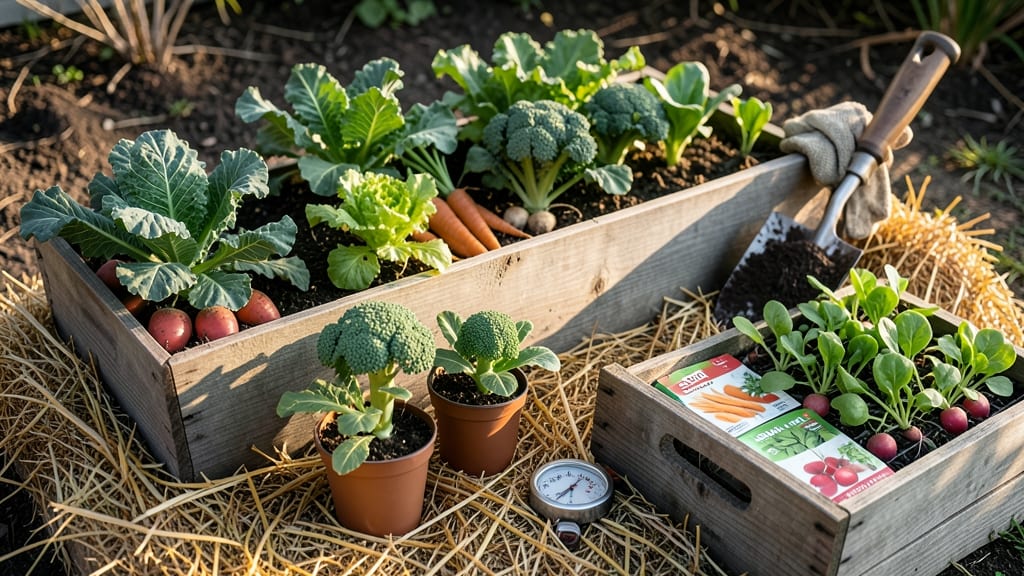
Planting a fall garden in Texas means beating the heat while setting up crops for a harvest before frost—aim for mid-August to early October for most cool-season vegetables.
Texas gardeners know summer heat can turn planting into a gamble—but timing your fall garden right means cooler soil, fewer pests, and a harvest before the first frost. The key is understanding your region’s frost dates and heat-resistant crop timelines.
From the Panhandle’s early freezes to the Gulf Coast’s milder winters, each zone has its own window for success. Whether you’re sowing heat-loving okra in August or transplanting broccoli in September, the right timing makes all the difference.
Here’s your step-by-step guide to planting a thriving fall garden in Texas, including zone-specific dates, soil prep tips, and a list of the best crops to grow before winter sets in.
Texas fall planting calendar: exact dates by climate zone (north vs. south)
Texas’ diverse climate zones mean your fall planting timeline can vary by hundreds of miles. The Panhandle (USDA Zones 7b-8a) has earlier frosts than the Gulf Coast (Zones 9a-10a), while the Hill Country (Zones 8a-8b) sits in between.
Knowing your first frost date and soil temperature thresholds is key to avoiding failed crops or wasted seeds.
For most Texas regions, late summer heat lingers until mid-September, making soil temperatures critical. Seeds like lettuce and spinach need soil temps below 75°F to germinate, while heat-tolerant crops like okra and sweet potatoes can handle 90°F+ soils. Below is your region-specific planting calendar to maximize yields before frost.
| Region | First Frost Avg. | Optimal Planting Window | Soil Temp Threshold (°F) | Key Heat-Tolerant Crops |
|---|---|---|---|---|
| Panhandle (Lubbock, Amarillo) | Nov 15 - Dec 1 | Aug 15 - Sep 15 | 65-75°F (cool crops) | Kale, Broccoli, Carrots, Spinach |
| North Central (Dallas, Waco) | Nov 1 - Nov 15 | Aug 1 - Sep 20 | 70-80°F (transition crops) | Okra, Sweet Potatoes, Collards, Beets |
| Hill Country (Austin, San Antonio) | Nov 10 - Dec 1 | Aug 10 - Sep 25 | 75-85°F (heat-tolerant) | Tomatoes, Peppers, Green Onions, Radishes |
| Gulf Coast (Houston, Corpus Christi) | Dec 15 - Jan 15 | Aug 20 - Oct 15 | 80-90°F (tropical crops) | Sweet Potatoes, Winter Squash, Mustard Greens, Cilantro |
In the Panhandle, start cool-season crops like lettuce and spinach by mid-August to beat the frost. Use row covers if temps dip unexpectedly. For the Gulf Coast, you’ve got until mid-October to plant heat-loving crops like sweet potatoes—just ensure soil temps stay above 80°F for germination.
My Hill Country garden thrives with transition crops like collards and beets planted in late August. These handle 90°F days but reward you with harvests through December. Always check your local AgriLife Extension reports for real-time soil temps—they’re gold for adjusting your schedule.
For direct-sown seeds, aim to plant 6-8 weeks before frost. Transplants like broccoli or cabbage can go in 4-6 weeks before frost. If you’re in Zone 10a (far South Texas), you might even squeeze in a winter garden!
Just watch for unexpected cold snaps—they’re the biggest threat to fall gardens.
Pro tip: Mulch heavily in September to cool soil faster. A 2-inch layer of straw can drop soil temps by 10°F within days. This trick lets you plant cool crops earlier in North Texas or West Texas without risking heat stress.
Remember, soil temperature matters more than air temperature. Use a soil thermometer ($10 at garden centers) to confirm readiness. For fast germination, wait until soil cools to 75°F or below for most leafy greens.
If your soil runs hotter, opt for heat-tolerant varieties like ‘Black Seeded Simpson’ lettuce or ‘Southern Giant’ collards
Best heat-resistant fall vegetables for Texas gardens (and when to start them)
Texas’ late summer heat can feel like a gardening roadblock, but the right heat-resistant crops turn this challenge into opportunity. These fall vegetables thrive in 90°F+ soil while setting you up for a bountiful harvest before frost.
The key? Planting direct-sown seeds or transplants at the perfect moment—when soil temps dip below 85°F but nights stay warm.
I’ve grown these 10 top performers in my East Texas garden, and they consistently deliver even when summer lingers. Whether you’re sowing okra in August or transplanting kale in September, timing matters.
Below, I’ll break down exactly when to start each crop, plus companion planting secrets to boost yields and deter pests like aphids or squash bugs.
For okra and sweet potatoes, start seeds 6–8 weeks before your average first frost—in most of Texas, that’s late July to early August. These heat-lovers need warm soil, so avoid planting until temps drop below 90°F.
I’ve seen ‘Clemson Spineless’ okra produce pods well into October when sown in late July.
Cool-season crops like kale and broccoli need a different approach: transplant them 4–6 weeks before frost (typically mid-September in North Texas, early October in the Gulf Coast). Harden off seedlings for 7–10 days by gradually exposing them to outdoor conditions to prevent shock.
My ‘Winterbor’ kale thrives when planted alongside onions, which repel cabbage moths.
Pro tip: Use black plastic mulch to warm soil for early planting of heat-tolerant crops, or straw mulch to cool soil for late-season transplants. Pair radishes with lettuce—the radishes mature quickly, marking rows for slower-growing greens.
And always rotate crops yearly to prevent soil-borne diseases like fusarium wilt.
Remember, Texas’ first frost dates vary wildly—from mid-November in the Panhandle to January in South Texas. Check your local USDA zone and adjust planting dates accordingly. With these heat-resistant varieties and precise timing, you’ll enjoy fresh harvests straight through fall’s crisp air.