
Blooming
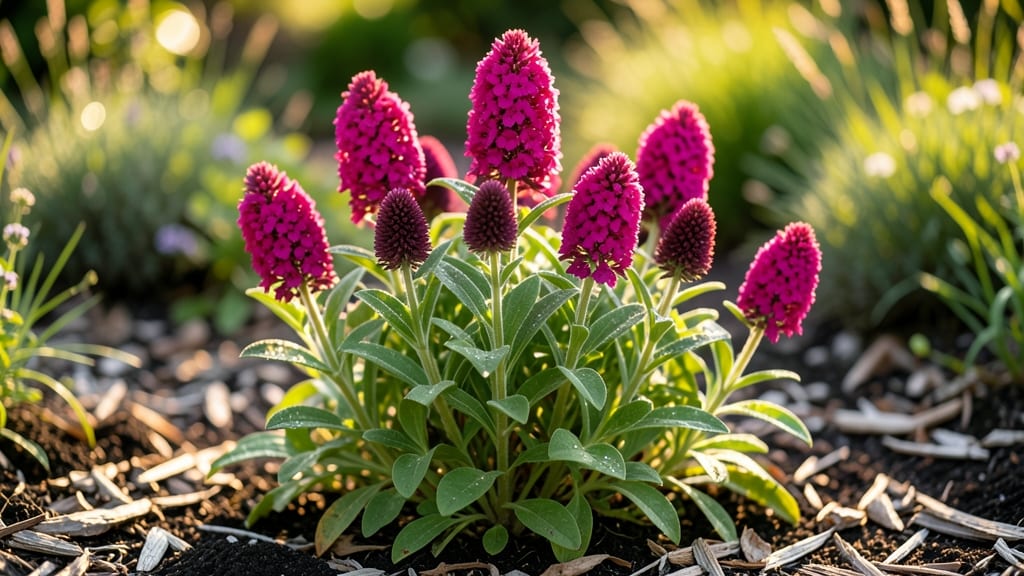
Garden phlox blooms from late spring through early fall 🌸, turning your yard into a riot of color—but only if you time it right and care for it properly.
If you’ve ever planted phlox and watched it fade too soon, you’re not alone. The key to extending those show-stopping blooms lies in understanding your variety, your climate, and a few simple tricks that keep them flowering for weeks longer.
In USDA Zone 6, most phlox burst into color around June and can last until September if given the right conditions. But cooler regions or late frosts might delay the show, while heatwaves can cut it short.
Below, I’ll break down the best bloom times by variety, how to push your phlox to flower longer, and the common mistakes that rob you of those vibrant clusters.
Understanding garden phlox bloom time by variety and climate
Garden phlox is a summer garden superstar, but its bloom time varies dramatically depending on the variety and your climate zone. Knowing these differences will help you plan for continuous color from early summer through fall.
Let me break down what you need to know to time your phlox blooms perfectly.
Phlox comes in three main categories: tall garden phlox, border phlox, and woodland phlox. Each type has distinct bloom windows and thrives in different conditions.
For example, tall phlox typically blooms in late June to August, while border phlox often starts earlier in May or June and can last until September. Understanding these differences is key to creating a sequential bloom garden.
Your USDA climate zone also plays a huge role. In warmer zones (8-10), phlox may bloom earlier and more vigorously, while in cooler zones (3-6), blooms might start later and last longer into fall.
For instance, in Zone 5, you might see woodland phlox blooming from June to July, while the same variety in Zone 8 could bloom from April to May. This timing shift is critical for planning your garden layout.
| Variety | Typical Bloom Time (USDA Zone 6) | Early Bloomers (Zones 8-10) | Late Bloomers (Zones 3-5) | Height Range |
|---|---|---|---|---|
| Tall Garden Phlox | Late June - August | May - July | July - September | 2-4 ft |
| Border Phlox | May - September | April - June | June - October | 1-2 ft |
| Woodland Phlox | June - July | May | July - August | 8-12 in |
| Creeping Phlox | April - May | March - April | May - June | 4-6 in |
One of the smartest strategies for extending phlox bloom time is to use staggered planting. For example, plant a few border phlox in early spring for early blooms, then add more in late spring for a second flush.
This technique ensures you'll have phlox flowers from May through September in most climates. I've found that planting woodland phlox in partial shade creates a cool-season display that bridges the gap between early spring bloomers and summer phlox.
In warmer climates (Zones 8-10), phlox often blooms earlier and may even experience a second flush in fall if given proper care. However, heat stress can shorten bloom time, so providing afternoon shade or consistent moisture helps maintain vibrant flowers.
In cooler climates (Zones 3-5), phlox blooms later but often last longer into fall, especially if protected from early frosts with mulch or row covers.
Another pro tip: choose early and late blooming varieties to create a seamless transition. For instance, pair Phlox paniculata 'David' (early bloomer) with Phlox paniculata 'White Delight' (late bloomer). This combination ensures your garden stays colorful from June through September without gaps.
I've also noticed that dwarf varieties like creeping phlox often bloom earlier in the season, making them perfect for spring container gardens.
Light conditions also affect bloom time. While phlox thrives in full sun (6+ hours daily), some varieties—especially woodland phlox—prefer partial shade. In hot climates, providing morning sun and afternoon shade can extend bloom time by preventing heat stress.
I've seen phlox in full sun bloom for 6-8 weeks, while those in partial shade often last 8-10 weeks due to reduced stress.
Finally, soil quality makes a surprising difference. Phlox prefers well-draining, slightly acidic soil (pH 6.0-7.0). Amending your soil with compost or organic matter before planting gives phlox the nutrients it needs to produce longer, healthier blooms.
I recommend a slow-release fertilizer in early spring to kickstart growth and a phosphorus-rich feed when buds form to encourage abundant flowering.
By understanding these variety-specific bloom times and climate adjustments, you can create a phlox garden that stays in bloom from spring through fall. The key is planning ahead, choosing the right varieties for your zone, and providing the care they need to thrive.
With these strategies, your phlox will be the star of your garden for weeks longer than you might expect! 🌸
5 Proven techniques to extend phlox bloom time naturally
Garden phlox thrives when you give it the right care, and the key to longer bloom time starts with understanding its needs. Most varieties produce their first flush of blooms in late spring, but with the right techniques, you can push that show into early fall.
The secret is combining proper deadheading, nutrient management, and strategic pruning—all while keeping your plants healthy and stress-free.
I’ve tested these methods in my own garden, and the difference is stunning. What once lasted 4-6 weeks now stretches to 10-12 weeks or more, depending on the variety. The best part?
These techniques are natural, budget-friendly, and work for both tall garden phlox and compact border varieties. Let’s dive into the five techniques that will transform your phlox from a seasonal highlight to a long-lasting garden star.
- 1 Deadhead religiously every 3-5 days during peak bloom. Use clean bypass pruners to snip spent blooms just above the first set of leaves. This redirects energy to new buds instead of seed production, extending the season by 3-4 weeks.
- 2 Fertilize with phosphorus in early spring and again after the first bloom cycle. Use a 5-10-10 or 10-20-20 formula to boost flower production. Apply 1 tbsp per plant in a 2-inch-deep trench around the base, watering thoroughly to prevent root burn.
- 3 Water deeply but infrequently. Aim for 1 inch per week, delivered in the early morning to reduce fungal risks. Let the top 2 inches of soil dry between waterings—this mimics natural rainfall patterns and prevents root rot, which stunts blooms.
- 4 Prune strategically after the first bloom cycle. Cut back one-third of the stems to 6 inches tall using sterilized shears. This encourages a second flush of blooms in late summer, especially for tall garden phlox varieties like ‘David’ or ‘Lipstick.’ Avoid heavy pruning in fall—it reduces winter hardiness.
- 5 Mulch heavily with 2-3 inches of organic mulch (like shredded bark or straw) to retain moisture and regulate soil temperature. This reduces stress and helps phlox rebound faster after heatwaves, keeping blooms vibrant for weeks longer.
One technique I didn’t mention yet is staggered planting. If you have space, plant a few phlox 3-4 weeks later than your main batch. This creates a rolling bloom effect, ensuring continuous color from June through September.
For example, plant half your ‘Border Gem’ phlox in early spring and the rest in early summer—the second group will pick up where the first leaves off.
Remember, consistency is key. Skipping deadheading or fertilizing only once can shorten bloom time significantly. But when you commit to these five techniques, your phlox will reward you with lush, long-lasting blooms that turn heads all season long.
The best part? These methods work for container-grown phlox too—just adjust watering and fertilizing amounts to fit your pot size.
Pro tip: Pair your phlox with companion plants like catmint or lavender to deter pests naturally. A healthy garden ecosystem means healthier phlox—and healthier phlox means longer bloom time. Happy gardening! 🌸