
Planting
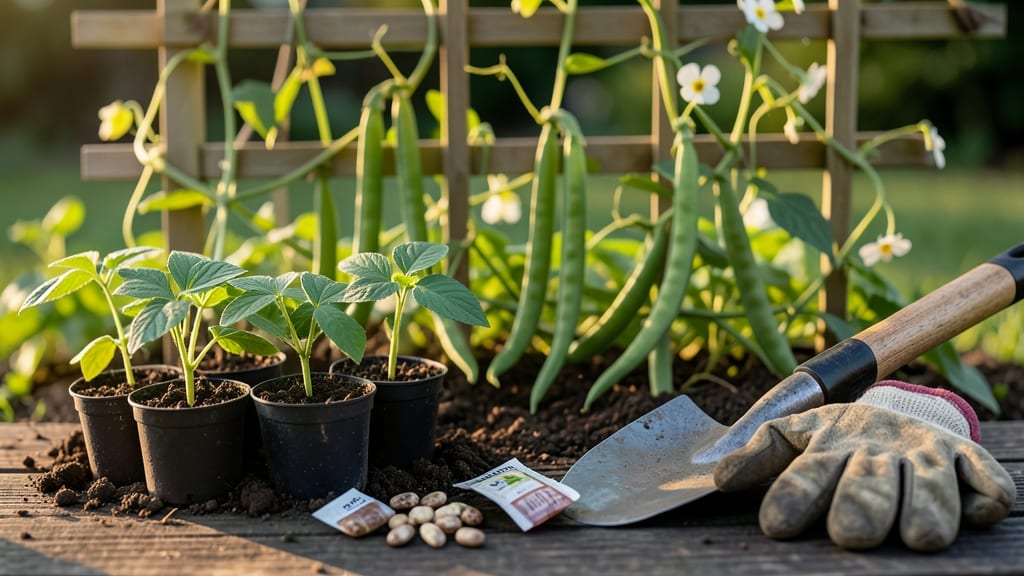
To plant string beans in a garden, start by waiting until the soil warms to 60°F after your last frost—usually April to May in Zone 6a—then sow seeds 1 inch deep and 2–3 inches apart.
Picture this: you’re staring at a patch of soil, wondering if those tiny seeds will ever turn into a bush teeming with crisp, fresh pods. The truth?
String beans are one of the easiest vegetables to grow, but getting the spacing, depth, and timing right is the key to avoiding floppy plants and empty vines.
These fast-growing 🌱 plants thrive in well-draining soil with full sun (6–8 hours daily), but they’ll bolt—or shoot up too quickly—if the weather swings. Too much shade? Stunted growth. Too little water? Dry, brittle pods. Master these basics, and you’ll be harvesting in as little as 50 days.
Below, I’ll walk you through the exact steps—from soil prep to spacing secrets—that turn a handful of seeds into a garden full of harvests. No guesswork, just proven results.

The ultimate guide to planting string beans: spacing, depth, and timing for maximum yield
String beans are a gardener's dream—fast-growing, productive, and delicious straight from the vine. But to unlock their full potential, you need to nail the basics: proper spacing, ideal planting depth, and perfect timing.
Get these right, and you'll enjoy a harvest that rivals the grocery store—without the chemicals! The secret lies in mimicking their natural growing conditions in your backyard.
Most gardeners make one of two mistakes: either crowding their beans too closely (leading to stunted growth) or spacing them too widely (wasting precious garden space). The golden rule for string beans is 6–8 inches apart in rows that are 18–24 inches apart.
This spacing ensures each plant gets enough air circulation to prevent fungal diseases while maximizing your yield per square foot. Pair that with the right planting depth of 1–1.5 inches, and you're already ahead of 90% of home gardeners.
Step-by-Step Guide to Planting String Beans
- 🌱 Choose Your Variety: Decide between bush beans (compact, 1–3 ft tall) or pole beans (vining, 6–10 ft tall). Bush beans are ideal for small gardens, while pole beans save space and produce longer.
- 🌡️ Wait for Warm Soil: Plant seeds only when soil temperature reaches 60°F (15°C). Use a soil thermometer to check—cold soil delays germination or causes rot.
- 🪴 Prepare the Soil: Loosen soil to a depth of 12 inches and mix in 2–3 inches of compost. String beans thrive in well-draining soil with a pH of 6.0–7.0.
- 📏 Mark Your Rows: Use a garden marker or string to create rows 18–24 inches apart. This spacing prevents overcrowding and makes harvesting easier.
- 🌱 Sow the Seeds: Plant 3–4 seeds every 6–8 inches in small hills or trenches. Press seeds 1–1.5 inches deep—deeper planting can delay germination.
- 💧 Water Gently: Keep soil moist (not soggy) until seeds sprout (7–14 days). Use a spray nozzle or watering can to avoid disturbing seeds.
- ✂️ Thin Seedlings: Once sprouts are 2 inches tall, thin to the strongest seedling per spot. Snip extras at the base to avoid damaging roots.
- 🌿 Add Support (for Pole Beans): Install trellises, stakes, or cages as seedlings grow. Pole beans need vertical support to climb and produce more pods.
- ☀️ Ensure Full Sun: Place your bean patch in a spot with 6–8 hours of sunlight daily. Partial shade reduces yield and pod quality.
- 🌱 Plant Companions: Interplant with corn, cucumbers, or radishes to improve growth. Avoid planting near onions or garlic, which stunt bean development.
Timing is everything when it comes to planting string beans. Direct sowing is the preferred method—transplanting seedlings stresses the plants and can set back growth. Start seeds 1–2 weeks after your last frost date when the ground is warm.
In cooler climates (USDA zones 1–5), aim for late May or early June to avoid frost damage. If you're in a warmer zone (zones 6–10), you can plant as early as April, but always wait until the soil is at least 60°F.
For those eager to extend their harvest, try succession planting. Sow new seeds every 2–3 weeks until 6–8 weeks before your first frost. This staggered approach ensures a continuous supply of fresh pods throughout the summer.
Just remember: string beans are warm-season crops, so they won’t tolerate cold temperatures. If frost threatens, cover plants with row fabric or a cloche to protect them.
One common mistake I see in beginner gardens is planting too deeply. While 1–1.5 inches is ideal, some gardeners bury seeds 2 inches or more, which can delay germination by weeks. The seed needs to be close enough to the surface to absorb moisture and warmth efficiently.
Another pitfall? Skipping soil preparation. String beans are heavy feeders and need nutrient-rich soil to produce well. Always amend your soil with compost or aged manure before planting.
If you're growing pole beans, don’t overlook the importance of trellising. Without support, vines sprawl across the ground, making them vulnerable to pests and diseases. Install 5–6 foot tall trellises or use T-posts with twine to guide the vines upward.
This not only saves space but also improves air circulation, reducing the risk of fungal infections like rust or powdery mildew. Plus, harvesting is a breeze when pods dangle at eye level!
Pro tip: Mulch around your bean plants after they’ve sprouted. A 2–3 inch layer of straw or shredded leaves helps retain moisture, suppresses weeds, and keeps soil temperatures stable. Just be sure to pull mulch back slightly from the stems to prevent rot.
And here’s a bonus—mulch also deters slugs and other pests that love munching on young bean leaves.
Once your string beans are in the ground, monitor them closely for the first 3–4 weeks. Look for signs of yellowing leaves (a sign of overwatering or nutrient deficiency) or stunted growth (often caused by poor soil drainage).
If you notice these issues early, you can often correct them with a balanced fertilizer (like 5-10-10) or by improving drainage with sand or perlite. With the right care, your plants will reward you with a bountiful harvest in just 50–65 days!
Soil and sunlight requirements for string beans: what your plants need to thrive
String beans thrive when given the right growing conditions, and getting the soil and sunlight just right is half the battle. These plants are sun-worshippers that demand 6–8 hours of direct sunlight daily for optimal growth and pod production.
Without enough light, your beans will grow leggy and produce fewer pods, leaving you with a disappointing harvest.
For soil, aim for a well-draining, nutrient-rich mix with a pH between 6.0 and 7.0. String beans prefer slightly acidic to neutral soil, which allows their roots to absorb essential nutrients like nitrogen and phosphorus efficiently.
If your soil is too heavy or compacted, the roots may struggle, leading to stunted growth or even root rot.
| Requirement | Specification |
|---|---|
| Soil pH | 6.0–7.0 (slightly acidic to neutral) |
| Drainage | Well-draining (avoid waterlogged soil) |
| Organic Matter | 2–3 inches of compost or aged manure |
| Sunlight | 6–8 hours of full sun daily |
| Partial Shade Tolerance | 4–6 hours of sun (reduced yield) |
To improve your soil, mix in 2–3 inches of compost or aged manure before planting. This boosts organic matter, which helps retain moisture and provides a steady supply of nutrients.
If your soil is sandy, adding compost also helps retain water, while clay soils benefit from the improved drainage compost provides.
If your garden only gets partial shade, place your string beans in the sunniest spot possible, even if it means sacrificing a few hours of light. While they can tolerate 4–6 hours of sun, expect a reduced harvest.
In shady conditions, prioritize bush varieties over vining types, as they’re slightly more adaptable to lower light levels.
Watch for signs of nutrient deficiency, like yellowing leaves, which often indicates a lack of nitrogen. A light application of a balanced fertilizer (5-10-10) can help, but avoid over-fertilizing, as this can lead to excessive foliage at the expense of pod production.
Similarly, stunted growth may signal poor drainage, so ensure your soil isn’t waterlogged after heavy rains.
With the right soil and sunlight, your string beans will reward you with abundant, tender pods all season long. Pay attention to these details, and you’ll be well on your way to a thriving garden full of homegrown goodness. 🌱