
Planting
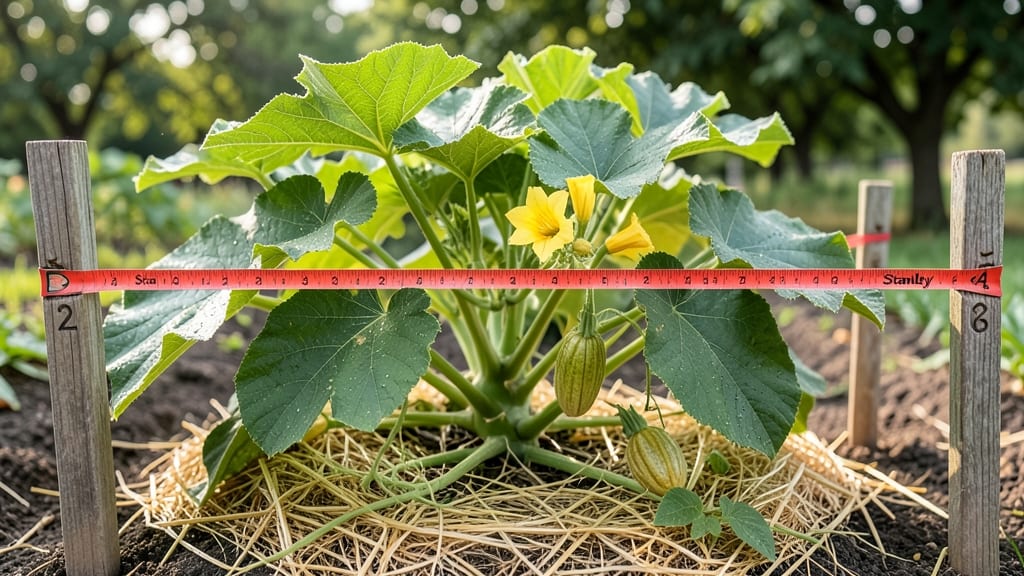
Proper squash spacing in garden is the difference between a thriving harvest and a tangled mess of leaves and underperforming fruit 🎃.
Picture this: your summer squash sprawling everywhere, competing for sunlight, and your winter squash struggling to grow because it’s crowded out. That’s not just a gardening headache—it’s a yield killer. Too close, and you’re inviting disease and pests; too far apart, and you’re wasting precious garden real estate.
But here’s the good news: with the right spacing, you can maximize every square foot, boost air circulation, and double your harvest.
Whether you’re working with bush varieties that stay compact or vining types that need room to roam, I’ve got the exact guidelines to set you up for success.
From adjusting spacing for small plots to fixing common mistakes, this guide covers everything you need to know to keep your squash happy, healthy, and producing like a champ.
Ideal squash spacing by variety: summer vs winter vs bush vs vining
Getting the squash spacing right is one of the easiest ways to boost your harvest and keep plants healthy. Too close, and you’ll battle disease and stunted growth. Too far apart, and you waste precious garden space.
The key lies in understanding your squash variety—whether it’s summer squash, winter squash, or the growth habit (bush vs. vining). Let’s break down the exact spacing rules to maximize your garden’s potential.
Most gardeners overlook how plant health and yield are directly tied to spacing. Proper spacing ensures each plant gets enough sunlight, air circulation, and nutrients. For example, vining varieties like butternut squash need room to sprawl, while bush varieties like pattypan squash can thrive in tighter quarters.
Let’s dive into the specifics so you can plan your garden layout like a pro.
⚠️ Pro Tip: Always measure from the base of one plant to the base of another, not the edges of the leaves. This prevents overcrowding as plants mature.
For summer squash like zucchini or yellow squash, aim for 2–3 feet between plants. These varieties grow quickly and produce abundant fruit, but they need room to breathe. If you’re growing bush types, like pattypan squash, you can space them as close as 1–2 feet apart.
They stay compact, making them perfect for small gardens or containers.
On the other hand, winter squash varieties—such as butternut or acorn squash—require more space.
Give them 3–5 feet between plants to accommodate their larger fruit and sprawling vines. Vining varieties, like spaghetti squash, need even more room, often 3–4 feet apart, and may benefit from a trellis to save space and improve air flow.
Proper row spacing is just as critical. For summer squash, space rows 4–6 feet apart to allow easy access for harvesting and weeding. Winter squash rows should be 6–8 feet apart to give vines ample room to spread without competing for sunlight.
Bush varieties can handle tighter row spacing of 3–4 feet, making them ideal for intensive planting.
One common mistake is assuming all squash need the same spacing. Overcrowding leads to poor air circulation, which invites fungal diseases like powdery mildew. Conversely, spacing plants too far apart wastes garden space and reduces overall yield.
For example, a 3-foot spacing for zucchini can yield up to 3–5 fruits per plant, while cramming them into 1-foot gaps might limit you to just 1–2 fruits per plant.
If you’re growing squash in containers or small spaces, consider trellising vining varieties to save room. Even bush types can be spaced slightly closer if you’re using containers, but ensure each plant has at least 1 gallon of soil per foot of height.
For instance, a 1-foot-tall bush squash needs a 5-gallon container to thrive.
Remember, soil quality and sunlight exposure also play a role. Well-draining soil with plenty of organic matter helps plants establish strong roots, while full sun (at least 6–8 hours daily) ensures optimal growth.
Combine proper spacing with these conditions, and you’ll be rewarded with a bountiful harvest of healthy, disease-free squash.
``` 🌱How to adjust squash spacing for small gardens or containers
If you're growing squash in a small urban plot or balcony containers, standard spacing rules won't work. The good news? With smart adjustments, you can still grow healthy, high-yielding squash without sacrificing your garden's limited space.
The key lies in trellising, companion planting, and container-specific spacing that maximizes vertical growth and airflow.
For balcony growers or tiny backyard gardens, squash vines can quickly become unruly. Instead of letting them sprawl, use trellises or cages to guide growth upward. This not only saves space but also reduces disease risk by improving air circulation around your plants.
Even bush varieties benefit from container spacing tweaks—just ensure they have enough room to spread without competing for nutrients.
Adjusting Squash Spacing for Small Spaces
Pros
- ✅ Saves space by growing vertically
- ✅ Reduces disease risk with better airflow
- ✅ Maximizes container yields with proper spacing
- ✅ Easier harvesting in elevated setups
- ✅ Companion plants deter pests naturally
Cons
- ❌ Requires staking/trellising for vining types
- ❌ Containers dry out faster—needs consistent watering
- ❌ Limited root space may reduce overall yield
- ❌ Companion plants compete for nutrients if overcrowded
Tip: Use self-watering containers to offset frequent watering needs, and prune aggressively to maintain airflow.
When growing squash in containers, opt for 5-gallon pots or larger to accommodate root growth. Place one bush squash plant per container or two small vining varieties if your container is at least 12 inches deep.
For vertical growth, install a trellis or tomato cage and train vines upward—this works especially well for zucchini or yellow squash, which can produce 2-3 times more fruit when supported.
For companion planting in small spaces, pair squash with nasturtiums (which repel pests) or beans (which fix nitrogen in the soil). Avoid planting near potatoes or fennel, as they stunt squash growth.
In containers, marigolds are a great pest-deterrent addition. Just ensure your container mix includes compost and perlite for optimal drainage and nutrient retention.
If you're working with a raised bed, divide the space into small hills spaced 18-24 inches apart for bush varieties or 36 inches apart for vining types. Use straw mulch to retain moisture and suppress weeds, which is especially critical in drought-prone small gardens.
For urban growers, consider interplanting squash with lettuce or radishes, which mature quickly and can be harvested before squash vines fill the space.
Remember, proper spacing isn’t just about fitting plants into tight spaces—it’s about balancing growth, health, and yield. With these adjustments, even a balcony or 4x4-foot garden can produce a bountiful squash harvest without the usual sprawl. Start small, experiment with setups, and watch your compact garden thrive!