
Picking
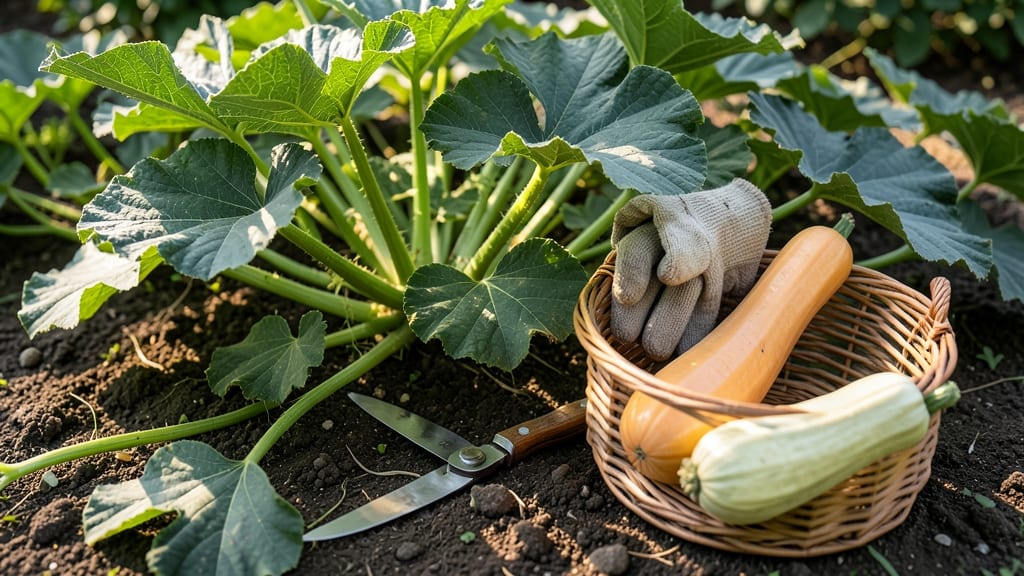
Picking spaghetti squash from your garden at the right moment means the difference between tender, stringy perfection and a meal of sad, mushy pulp.
Harvesting too soon turns your squash into a flavorless disappointment, while waiting too long risks frost damage or overripe mess. I’ve learned the hard way that timing is everything—especially when you’ve spent all summer nurturing 🎃 those vines.
Here’s the secret: three simple visual cues will tell you exactly when to reach for the knife. From rind color to stem changes, these signs guarantee you’ll pull your squash at its peak—just in time for that fall dinner you’ve been dreaming of.
Skip the guesswork and master the harvest with my step-by-step guide, packed with pro tips to avoid common mistakes and keep your spaghetti squash tasting fresh for weeks.
3 Visual signs your spaghetti squash is ready for harvesting
Knowing exactly when to pick spaghetti squash from your garden ensures that meal-prep magic—those delicate, strand-like flesh strands perfect for roasting. But harvest too early, and you’ll get watery, underdeveloped squash.
Too late, and the skin toughens while the texture inside turns grainy and unappetizing. The key? Watching for these three unmistakable visual cues that science-backed gardeners swear by.
First, let’s talk about the rind color transformation, which is your most reliable clue. When spaghetti squash matures, its skin shifts from bright green to a dull, matte yellow—almost like a pale lemon.
This change happens because the chlorophyll breaks down as the squash ripens, revealing the carotenoids underneath. If you’re still seeing vibrant green patches, your squash needs more time on the vine.
Next, pay close attention to the stem and vine behavior. As the squash nears harvest, the stem begins to dry out and shrink away from the fruit. You’ll notice the vines yellowing and withering, almost like they’re retiring for the season.
This isn’t just a coincidence—the plant is redirecting its energy toward the squash, signaling it’s ready for harvest. If the vines are still lush and green, your squash isn’t quite there yet.
Finally, there’s the firmness test, a quick tactile check that eliminates guesswork. Press your thumbnail into the squash’s skin. If it doesn’t puncture easily and leaves just a slight indentation, your squash is ripe.
But if your thumbnail sinks in like butter, it’s still too soft and needs more time. This test works because the cell walls thicken as the squash matures, making it more resistant to pressure.
🌱 3 Visual Signs Your Spaghetti Squash Is Ready
- 1. Dull Yellow Rind: Skin turns from bright green to matte yellow—like a pale lemon. This indicates chlorophyll breakdown and peak ripeness.
- 2. Drying Stem: The stem shrinks and dries, while vines yellow and wither. This shows the plant is redirecting energy to the squash.
- 3. Firm Skin: Press your thumbnail into the skin—if it doesn’t puncture easily, the squash is ready. Soft skin means more time needed.
Timing your harvest correctly also depends on your local climate and variety. For example, heirloom varieties like ‘Honey’ often ripen slightly later than hybrids, while cooler climates may extend the growing season.
But regardless of variety, these three visual cues will never steer you wrong. Once you spot all three, grab your pruners and harvest within 24 hours to lock in that perfect texture.
One common mistake gardeners make is waiting until the squash looks overripe—think wrinkled skin or a shriveled stem. By then, the flesh inside can become fibrous and tough, ruining the delicate spaghetti-like strands you’re after.
So trust your eyes and your fingers, and you’ll always know when to pick at the perfect moment.
If you’re growing spaghetti squash in containers or raised beds, keep an eye on the soil temperature too. Ideal harvest conditions include warm days (70-85°F) and cool nights (55-65°F). These temps help the squash sweeten naturally without overripening.
And if a frost warning pops up before you harvest, don’t wait—pick immediately to avoid damage, even if the squash isn’t fully ripe.
Once you’ve confirmed ripeness, harvest by cutting the stem with a sharp knife or pruners, leaving a 1-inch stem attachment on the squash. This helps it cure and store longer.
Then, let it cure in a dry, shady spot for 10-14 days to harden the skin further. Proper curing extends shelf life and improves flavor—so don’t skip this step!
Now that you know what to look for, you’ll never second-guess your spaghetti squash harvest again. These three visual signs are your golden ticket to perfectly textured, flavorful squash every time—whether you’re roasting it, stuffing it, or turning it into a creamy soup. Happy harvesting! 🎃
How to test spaghetti squash ripeness before picking (no guesswork)
When your spaghetti squash reaches the perfect ripeness, it transforms from a hard, unyielding fruit into a delicate, flavorful treasure. But how do you know it’s ready without cutting it open? The key lies in a combination of tactile tests and auditory cues that reveal its maturity.
Unlike visual-only methods, these techniques let you confirm ripeness with confidence, ensuring your squash is ready for harvest.
Start by examining the stem and vine. A ripe spaghetti squash will show clear signs of aging in its foliage. The vines will begin to yellow and wither, signaling the plant is redirecting energy to the fruit.
This is nature’s way of telling you the squash is nearing peak ripeness. Ignoring this sign often leads to overripe squash that’s too soft or stringy when cooked.
⚠️ callout-warning
- Frost risk: Never pick spaghetti squash within 48 hours of frost—cold temperatures ruin texture.
- Rainy weather: Wait 24 hours after heavy rain to prevent waterlogged, rot-prone fruit.
- Extreme heat: Avoid harvesting when temps exceed 90°F (32°C)—skin may crack.
Next, perform the thumbnail test—a foolproof method gardeners swear by. Press your thumbnail into the squash’s skin near the blossom end (opposite the stem). If the skin resists pressure and doesn’t dent easily, it’s ripe.
For unripe squash, your thumbnail will pierce the skin like butter, while overripe squash will feel too soft or mushy under pressure. This test works even when the squash’s color hasn’t fully changed.
Listen for the hollow thump. Tap the squash firmly with your knuckles—ripe spaghetti squash produces a deep, resonant thud, similar to a ripe pumpkin. An unripe squash sounds dull or flat, while an overripe one may feel hollow and light.
This auditory cue is especially useful when squash colors vary by variety (some stay green even when ripe). Combine this with the thumbnail test for 100% accuracy.
Resist the urge to harvest based solely on days after flowering. While spaghetti squash typically matures in 80–120 days, environmental factors like temperature and sunlight can shift this timeline.
A squash grown in hot, dry climates may ripen faster, while cooler zones could delay maturity. Always verify ripeness with tactile tests rather than relying on a calendar.
Once you’ve confirmed ripeness, harvest with a sharp pruning shear or knife, leaving a 1-inch stem attached. This prevents rot and extends shelf life.
Store your squash in a cool, dry place (55–60°F) for up to 3 months, or cook it within a week for the best texture. With these methods, you’ll never guess again—just pick with precision every time! 🎃