
Tools
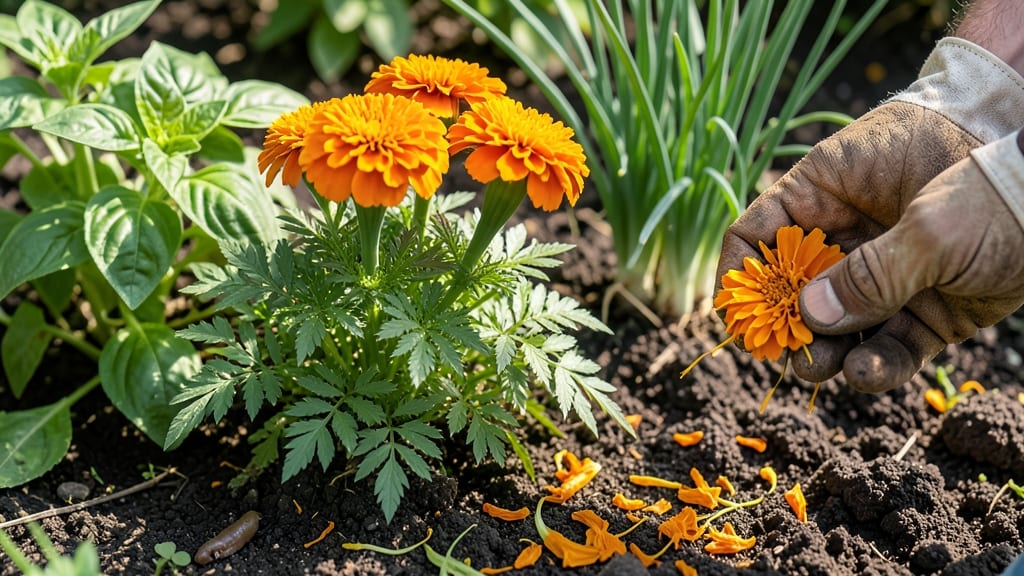
Creating natural garden repellents helps protect your plants from pests like deer, rabbits, and insects using safe, plant-based ingredients such as garlic, chili peppers, and essential oils. These homemade solutions are pet-friendly and effective when applied properly.
These repellents work by leveraging natural compounds that pests find unpleasant or confusing.
For example, the sulfur in garlic disrupts deer's scent trails, while capsaicin from chili peppers irritates insects' sensory receptors. 🌿 I've found that combining ingredients like citrus peel with peppermint oil creates a potent barrier against ants and spiders.
The key is consistency—reapply every 1-2 weeks during peak pest seasons, especially after rain. Always test sprays on a small plant area first to ensure compatibility with your garden's ecosystem.
For best results, I recommend storing repellents in spray bottles or reusable containers away from direct sunlight. Label each blend clearly to track ingredients and effectiveness. Remember that while these solutions are non-toxic, they should never be ingested by pets or children—always apply after they've left the area.
💡 In This Article
- How Natural Ingredients Repel Garden Pests
- DIY Natural Repellent Recipes for Common Garden Threats
How natural ingredients repel garden pests
The science behind natural repellents lies in how pests perceive and react to specific chemical compounds. Take garlic, for instance—its active ingredient, allicin, releases a strong sulfur smell that deer and rabbits find overwhelming.
These animals rely heavily on scent trails to navigate and locate food, so garlic disrupts their ability to track your garden. Studies show that even small amounts of garlic extract can make a 10-foot radius area unappealing for up to 2 weeks.
For insects, capsaicin in chili peppers acts like a sensory alarm system. When sprayed on plants, it binds to the same receptors in insects' mouths that detect heat, triggering an immediate aversion.
This is why a 1:10 dilution of cayenne pepper in water creates an effective spray—it's strong enough to deter ants and aphids but safe for most plants. 🔥 Peppermint oil works similarly, with its high menthol content confusing insects' navigation systems by masking plant scents they use to find hosts.
Essential oils like citrus and eucalyptus contain compounds called terpenes that disrupt pests' pheromone communication. For example, limonene in citrus peel interferes with ants' ability to follow scent trails, forcing them to abandon foraging routes.
The key is using undiluted oils (like tea tree oil) at a 1-2% concentration—any higher risks phytotoxicity to delicate plants.
Temperature and humidity also affect repellent effectiveness. Hotter days amplify volatile compounds' evaporation rates, so reapply sprays every 3-5 days during summer. Conversely, cold weather slows chemical dispersion, extending repellent longevity. Always apply in early morning or late evening to prevent UV degradation from sunlight.
What most gardeners overlook is how pests develop tolerance. Rotate ingredients seasonally—switch from garlic in spring to citrus blends in summer—to maintain effectiveness. For example, deer may become accustomed to garlic after 4-6 weeks, but they'll rarely adapt to a sudden change to coffee grounds or vinegar-based sprays.
Safety note: While these ingredients are non-toxic, their potency varies. Always wear gloves when handling undiluted oils or chili powders, as direct skin contact can cause irritation. Test blends on 10% of your garden first to monitor plant reactions.