
Tools
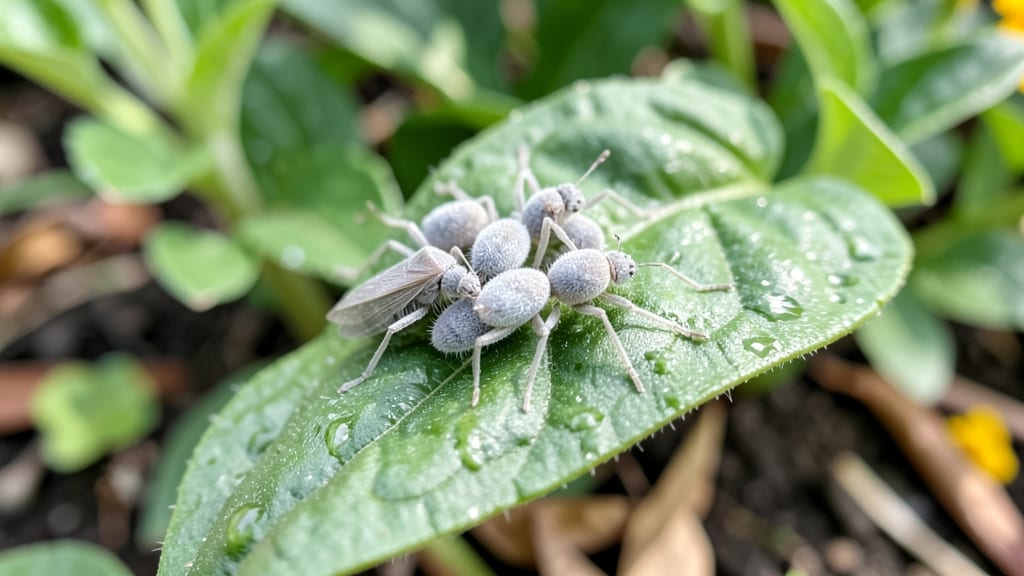
Gray bugs in your garden aren’t just a nuisance—they can silently destroy your plants before you even notice.
Picture this: You walk out to tend your tomatoes, only to find leaves curled, stems sticky, or worse, your seedlings disappearing overnight. These tiny gray invaders—like mealybugs or fungus gnats—are often overlooked until the damage is done.
The good news? With the right identification and quick action, you can stop them before they ruin your harvest.
In this guide, I’ll walk you through the 5 most common gray garden pests, what they’re eating, and how to tell them apart. Whether you’re dealing with slugs, aphids, or something even sneakier, you’ll learn natural and chemical solutions to kick them out for good.
From prevention tips to knowing when to call in the pros, you’ll have everything you need to keep your garden thriving—without letting these pests take over.
5 Common gray bugs in garden and what they eat
Spotting gray bugs in your garden can feel like a panic attack—until you know which ones are harmless and which ones are silently destroying your plants. These five common gray pests often go unnoticed until damage appears, like stunted growth or chewed leaves.
Understanding their dietary habits is the first step to protecting your garden. Some feast on plant sap, while others attack roots or decaying matter. Let’s break down their appearances, favorite meals, and where to look for them.
Identifying gray bugs starts with examining their physical traits and behavior. For example, mealybugs look like cottony blobs, while fungus gnats are tiny and fly around damp soil. Each of these pests targets specific parts of your plants, from leaves to stems and even roots.
Knowing what they eat helps you act fast—whether it’s removing infested foliage or adjusting your watering routine. Let’s dive into the details of these sneaky invaders.
🔍 Quick Tip: Use a magnifying glass or smartphone camera to zoom in on suspicious bugs. Many gray pests are microscopic or blend into plant tissue until it’s too late.
Mealybugs are among the most destructive gray pests, often hiding in the crevices of leaves or under buds. Their cotton-like appearance makes them easy to spot if you know where to look. These pests thrive on citrus trees, succulents, and houseplants, sucking sap and leaving behind a sticky residue called honeydew. If left unchecked, mealybugs can attract ants and lead to sooty mold, which blocks sunlight and stunts growth.
Gray aphids might not be as colorful as their green cousins, but they’re just as damaging. These tiny insects cluster on new growth and flower buds, piercing leaves to feed on sap.
Unlike their green relatives, gray aphids often go unnoticed until your plants start showing signs of stress, like yellowing leaves or stunted stems. They’re particularly fond of roses, peas, and herbs, so keep an eye on these favorites.
Fungus gnats are the unseen menace of potted plants and seedlings. These tiny flying insects lay eggs in moist soil, and their larvae feed on roots, causing root rot and seedling death. You’ll often spot them hovering near houseplants or indoor gardens, especially after watering. Their gray-black bodies and fuzzy larvae make them easy to identify if you check the soil surface or use a yellow sticky trap.
Spider mites in their gray form are microscopic but pack a punch. They thrive in hot, dry conditions and target the undersides of leaves, leaving behind tiny gray specks and fine webbing. Plants like tomatoes, peppers, and beans are their favorite buffet. If you notice yellow stippling on leaves or a dusty appearance, it’s time to act—these mites multiply rapidly and can defoliate plants in weeks.
Last but not least, earwigs might seem harmless, but they can devour your garden overnight. These pincer-tailed insects are nocturnal and feed on soft plant tissue, flowers, and even fruits.
Their gray-brown bodies help them blend into mulch or leaf litter, making them hard to spot during the day. Look
How to get rid of gray bugs in garden: natural and chemical solutions
Once you’ve identified the gray bugs wreaking havoc in your garden, the next step is choosing the right treatment. Not all methods work equally well—some are gentle on plants but slow-acting, while others deliver fast results but require caution.
I’ll walk you through the most effective natural and chemical solutions, ranked by their balance of speed, safety, and success rate for common gray pests like aphids, mealybugs, and fungus gnats.
The key is acting quickly before the infestation spreads. For example, neem oil and insecticidal soap are my go-to organic options because they’re plant-safe and target soft-bodied bugs effectively. However, they require direct contact with the pests, so thorough coverage is essential.
Chemical solutions like pyrethrin-based sprays or imidacloprid offer faster knockdown but may harm beneficial insects if overused.
⚠️ PROS-CONS BOX: Gray Bug Treatment Methods
Neem Oil
Pros:
- Organic & plant-safe
- Disrupts insect life cycles
- Works on aphids, mealybugs, mites
Cons:
- Slow-acting (3-5 days)
- Requires reapplication
- Can stain surfaces
Insecticidal Soap
Pros:
- Fast knockdown (24-48 hrs)
- Safe for most plants
- Effective on soft-bodied bugs
Cons:
- Must make fresh weekly
- Can harm beneficial insects
- Requires direct spray
Pyrethrin Spray
Pros:
- Fast-acting (hours)
- Kills on contact
- Good for severe infestations
Cons:
- Toxic to pets/children
- Kills beneficial insects
- Residue may linger
Systemic Granules
Pros:
- Long-lasting (weeks)
- Absorbed by plant roots
- Prevents reinfestation
Cons:
- Chemical residue
- Overkill for small infestations
- Harmful to pollinators
For light infestations, I recommend starting with neem oil or insecticidal soap. Mix 1 tablespoon of neem oil with 1 quart of water and a few drops of dish soap, then spray directly on affected areas—especially the undersides of leaves where bugs hide.
Reapply every 5-7 days until the pests disappear. If you’re dealing with fungus gnats in potting soil, switch to Bacillus thuringiensis (Bt) for larvae control.
When natural methods fail, chemical solutions like pyrethrin-based sprays can provide immediate relief. Apply these in the early morning or late evening to minimize harm to bees and other pollinators. Always follow label instructions precisely—overuse can lead to pesticide resistance or plant damage.
For stubborn cases, systemic imidacloprid granules work well but should be a last resort due to their broad-spectrum effects.
After treatment, monitor your plants closely for 2-3 weeks to ensure the bugs are gone. Remove any heavily infested leaves or plants immediately to prevent reinfestation.
For long-term success, combine treatments with preventive measures, like mulching to reduce soil moisture (which attracts fungus gnats) or introducing ladybugs to control aphids naturally.
Remember, the best approach depends on your specific pest and garden size. Start with the least toxic options, then escalate only if necessary. Your plants—and future harvests—will thank you! 🌱