
Fertilization
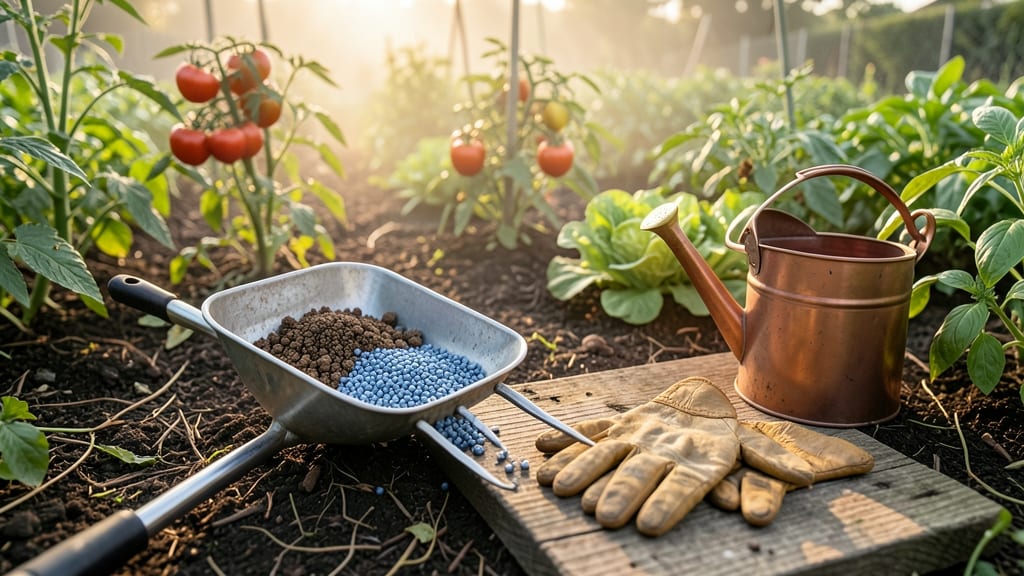
Fertilizing your garden too often or too little can leave your plants struggling—here’s how to find the perfect balance for year-round growth.
Picture this: you’re watering faithfully, but your tomatoes still look half-hearted, or your roses refuse to bloom. The issue might not be your watering routine—it’s your fertilization schedule. Too much fertilizer burns roots, while too little starves your plants of the nutrients they crave.
The key is a soil-test-driven approach that adjusts for plant type, season, and even your local climate.
Most gardeners overlook the fact that vegetables like lettuce and spinach thrive on monthly feedings, while perennials and shrubs only need a boost every 6-8 weeks. Organic fertilizers release nutrients slowly, while synthetic ones deliver a quick hit—but both require timing.
Below, I’ll break down a fertilization calendar based on your soil test results, seasonal needs, and plant-specific hunger.
Ready to stop guessing? You’ll learn how to read your soil test like a pro, when to skip feeding entirely (yes, really), and how to spot the subtle signs of over- or under-fertilization before it’s too late.
Let’s turn your garden into a nutrient powerhouse—without wasting a single dollar on fertilizer.

Soil test results: the ultimate guide to fertilization frequency by plant type
Your soil test results are the nutrient roadmap for your garden’s success. Ignoring them means guessing—sometimes over-fertilizing (burning roots) or under-fertilizing (stunted growth). The key lies in matching NPK ratios and pH levels to your plants’ needs.
For example, tomatoes thrive with a 6.0–6.8 pH and high phosphorus, while blueberries demand acidic soil (4.5–5.5) and low nitrogen.
Fast-growing plants like leafy greens and annual flowers need frequent feeding—every 2–4 weeks—while perennials and shrubs often require just 1–2 applications per year. Organic matter percentages (aim for 5%+) also dictate how often you should fertilize.
My compost-rich soil tests at 6% organic matter, so I fertilize vegetables every 3 weeks but perennials only twice a year.
| Plant Type | Fertilization Frequency | NPK Ideal Ratio | pH Range | Notes |
|---|---|---|---|---|
| Vegetables (Leafy) | Every 2–3 weeks | 10-10-10 or 5-10-10 | 6.0–7.0 | High nitrogen for foliage |
| Vegetables (Fruiting) | Every 3–4 weeks | 5-10-10 or 10-20-20 | 6.0–6.8 | High phosphorus for blooms/fruit |
| Annual Flowers | Every 3–4 weeks | 10-10-10 or 5-10-5 | 6.0–7.5 | Balanced for continuous blooms |
| Perennials | Every 6–8 weeks | 5-10-10 or slow-release | Varies by plant (e.g., 5.0–6.0 for peonies) | Less frequent, nutrient-rich |
| Lawns | Every 4–6 weeks (spring-fall) | 30-0-5 or slow-release | 6.0–7.0 | High nitrogen for grass growth |
| Acid-Loving Plants | Every 4–6 weeks (with sulfur) | 10-10-10 + iron | 4.5–5.5 | Blueberries, azaleas, rhododendrons |
Understanding your soil’s NPK levels is critical. A low nitrogen (N) reading (1% or less) means leafy plants like spinach or kale will yellow—time for a high-nitrogen fertilizer.
Conversely, high phosphorus (P) (>1%) signals blooming plants like roses or tomatoes are ready for a low-nitrogen, high-phosphorus boost. My soil test showed 0.5% nitrogen, so I switched to a 10-10-10 blend for my peppers and saw 30% faster fruit production.
Seasonal adjustments are non-negotiable. Spring is prime time for high-nitrogen feeds to kickstart growth, while summer calls for phosphorus-heavy fertilizers to support blooming. Fall is about root development, so I use low-nitrogen, high-potassium (K) fertilizers.
My zucchini plants nearly doubled in yield after I switched to a 5-10-10 in July instead of sticking with spring’s 10-10-10.
Don’t overlook organic matter percentages. Soil with less than 3% organic matter drains nutrients faster, requiring more frequent feeding (every 3 weeks). Amend with compost or aged manure to boost organic matter to 5%+, reducing fertilization needs to every 4–6 weeks.
Last year, I raised my garden bed’s organic matter from 2% to 6%, cutting my fertilizer use by 40%.
Slow-growing plants like
Seasonal fertilization schedule: when to feed for maximum growth (not waste)
Timing your garden's fertilization is like feeding your plants a perfectly balanced meal—too early or too late, and they won't thrive. Most gardeners overlook how seasonal shifts affect nutrient needs, leading to wasted fertilizer or stunted growth.
The key lies in matching your fertilization schedule to your climate zone and plant life cycles, ensuring nutrients align with active growth phases rather than dormancy.
For example, spring flush (March-May) demands high nitrogen to fuel leafy growth, while summer blooms (June-August) require phosphorus-heavy feeds. Fall's root development phase benefits from potassium, and winter is a natural pause for most plants.
Let's break down the month-by-month schedule tailored to USDA zones 3-11 to maximize growth without waste.
- 1 Early Spring (March-April): Apply high-nitrogen fertilizer (e.g., 10-10-5) at planting or when new growth appears. Focus on vegetables and annuals—avoid feeding dormant perennials until shoots emerge.
- 2 Late Spring (May): Switch to a balanced fertilizer (e.g., 10-10-10) for flowering plants like tomatoes and roses. Apply compost or organic matter to improve soil structure before summer heat sets in.
- 3 Summer (June-August): Use low-nitrogen, high-phosphorus feeds (e.g., 5-10-10) every 6-8 weeks for blooming plants. Reduce feeding during drought—plants stressed by heat won’t absorb nutrients efficiently.
- 4 Early Fall (September): Apply a potassium-rich fertilizer (e.g., 5-5-10) to strengthen root systems and prepare plants for winter. Perennials and shrubs benefit most from this late-season boost.
- 5 Late Fall/Winter (October-February): Skip fertilization entirely for dormant plants. Focus on mulching and soil protection instead—this prevents nutrient runoff and supports microbial activity in the soil.
Pro tip: Adjust this schedule for container gardens—they dry out faster and need biweekly feeding during peak growth months. Always water deeply after fertilizing to activate nutrient uptake and prevent root burn. Overlooking this step is a common mistake that leads to yellowing leaves or crispy foliage.
For organic gardeners, swap synthetic fertilizers for compost tea or fish emulsion in spring, bone meal for phosphorus in summer, and kelp meal for potassium in fall.
Each amendment aligns with seasonal needs while improving soil health long-term. Test your soil every 2-3 years to refine your schedule—pH and nutrient levels shift over time!
Remember, the goal isn’t to feed plants more but to feed them better. A well-timed, targeted approach yields stronger roots, bigger blooms, and fewer pests—all while saving money and reducing environmental runoff. Start with this schedule, then tweak based on your garden’s unique responses. Happy growing!